
Cart Charging Setup: What Your Garage Needs
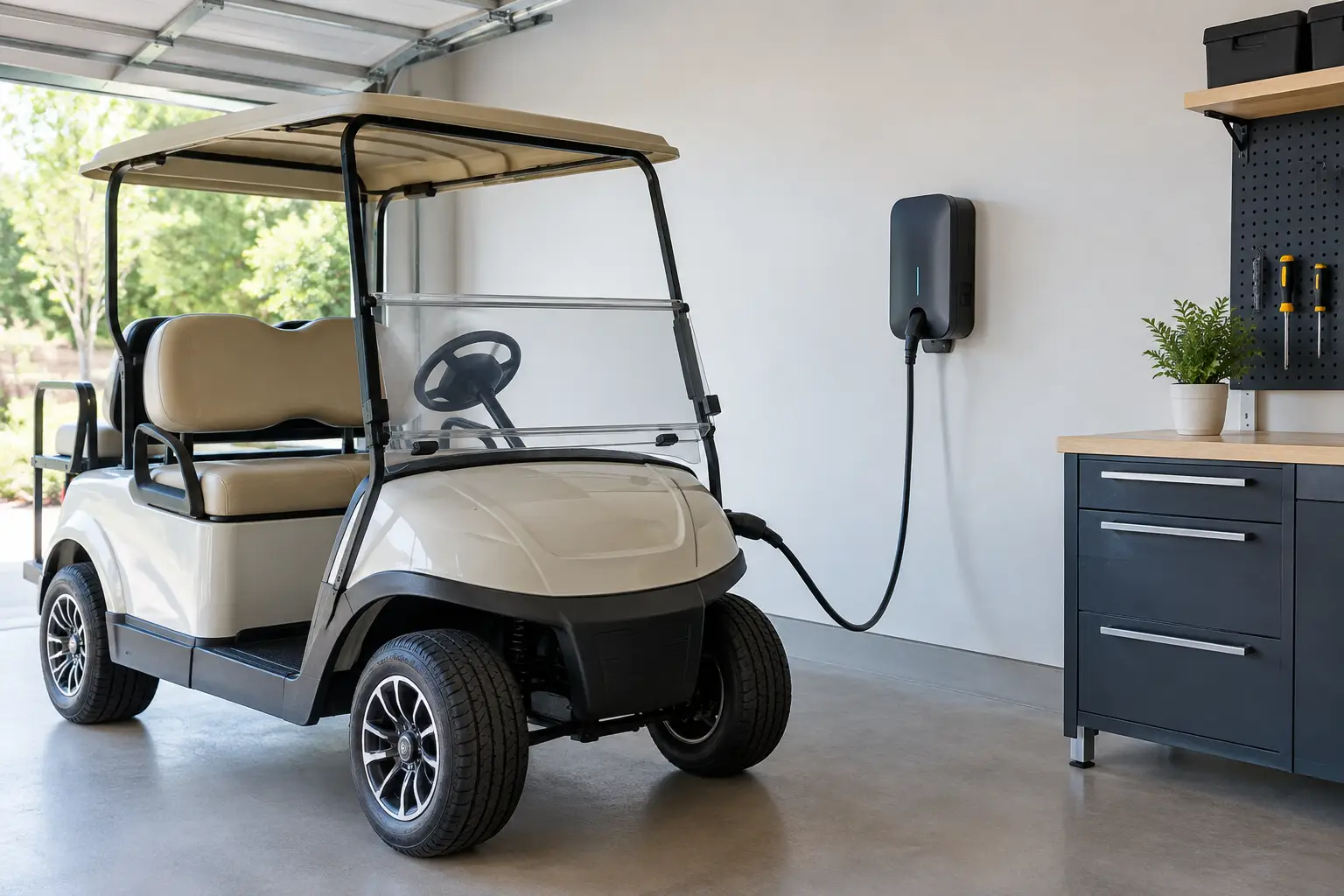
Your electric cart should be ready when the neighborhood calls, not waiting on a charger because the garage outlet was an afterthought. A smart cart charging setup makes ownership easier from day one: you pull in, connect the charger, and know your cart will be prepared for school runs, evening rides, golf, or a weekend around the community.
The good news is that most homeowners do not need a major renovation to charge an electric golf cart reliably. The right setup depends on your cart’s battery system, the charger it includes, where you park, and how often you drive. A little planning protects your investment, keeps charging convenient, and helps your batteries deliver the range you expect.
Start With the Cart Charger You Actually Have
Before adding outlets or calling an electrician, look at the charger supplied with your cart. Many modern electric carts use a standard household 120-volt outlet and include a charger designed for that connection. In those cases, a properly installed outlet near the parking space is often all you need.
Do not assume every cart charges the same way. Lithium and lead-acid battery systems have different charging behaviors, and charge times vary by battery capacity, charger output, and how deeply the battery was discharged. Some premium models can support faster charging equipment, but only when the cart’s battery system and onboard charging components are built for it.
Your owner’s manual and charger label should identify the required input voltage and amperage. If you are buying a cart, ask the dealership to explain the expected charge time, the recommended outlet, and whether any upgrade is worth considering for your driving routine. A faster charger may sound appealing, but it is not always necessary for a family that drives locally and charges overnight.
Choose a Safe Location for Your Cart Charging Setup
The ideal charging location is dry, level, covered, and close to a dedicated outlet. A garage is usually the best choice because it shields the cart, charger, and battery connections from rain, direct sun, and extreme temperatures. A covered carport can work well when the electrical equipment is protected from moisture and installed correctly.
Leave room around the cart so you can connect and disconnect the charger without stretching cords across walkways. The charging cable should reach the cart naturally. If the cable barely reaches, do not treat an extension cord as a permanent solution. Long or undersized extension cords can overheat, create a trip hazard, and interfere with safe charging.
Keep the charging area clear of gasoline, paint, solvents, cardboard piles, and other combustible materials. Modern lithium battery carts are clean and low-maintenance, but every charging area deserves the same common-sense care you would give any electrical equipment. For lead-acid battery carts, good ventilation matters even more because those batteries can release gases while charging.
If your garage is also the home base for bikes, lawn tools, and family storage, create a dedicated parking zone for the cart. A simple floor marker, wall-mounted cable holder, or charging station shelf can make the daily routine feel organized rather than improvised.
The Outlet Matters More Than Most Owners Think
A grounded 120-volt outlet in good condition is the foundation of most home charging arrangements. In garages and outdoor-adjacent spaces, GFCI protection is commonly required for safety. A licensed electrician can confirm that your outlet, circuit, and panel capacity are appropriate for the charger your cart uses.
Whenever possible, give the cart charger its own dedicated circuit. This helps prevent nuisance breaker trips caused by running a refrigerator, freezer, power tools, or other high-draw equipment on the same circuit. It also gives you more confidence that the cart is receiving consistent power during an overnight charge.
Avoid charging from a loose outlet, a damaged receptacle, or a power strip. If the plug feels hot, the breaker trips, or the charger displays an error message, stop charging and have the issue inspected. Electrical problems rarely improve with repeated use.
Decide Whether Standard or Faster Charging Fits Your Routine
For many owners, standard overnight charging is the practical choice. Plugging in after an afternoon ride and waking up to a full battery is simple, affordable, and easy to maintain. This arrangement works especially well for neighborhood use, golf outings, errands within a permitted community, and recreational drives.
A faster charging option can make sense if your household uses the cart heavily throughout the day, operates multiple carts, or needs quick turnaround between trips. However, an upgraded outlet or charging system should only be installed after confirming compatibility with your specific cart. A 240-volt circuit is not a universal upgrade, and connecting the wrong equipment can damage components or affect warranty coverage.
Think about your real driving pattern rather than the occasional busiest day. If the cart is parked overnight most of the time, standard charging may already meet your needs. If you regularly return home at lunch and need the cart ready again by late afternoon, discuss faster charging options with a qualified technician and electrician.
Build Better Charging Habits for Battery Life
The best setup also includes a dependable routine. For lithium-equipped carts, many manufacturers recommend plugging in after use and allowing the battery management system to do its job. Lithium batteries are generally efficient, low-maintenance, and well suited for buyers who want a more convenient ownership experience.
Lead-acid batteries require more attention. They typically benefit from regular full charging cycles, proper water maintenance when applicable, clean terminals, and periodic inspection. Never add water immediately after charging unless the battery manufacturer specifically directs it. Battery service details vary, so follow the cart manufacturer’s instructions rather than relying on one-size-fits-all advice.
Do not let any battery system sit deeply discharged for long periods. If you will be away for several weeks, review the storage guidance for your cart. Some systems should remain connected to the charger, while others have a recommended storage charge level or maintenance schedule. This is one area where the battery type makes a real difference.
Temperature also affects charging and performance. Extremely hot garages can shorten battery life over time, while very cold temperatures can reduce available range. You do not need a climate-controlled showroom at home, but sheltering the cart and avoiding harsh conditions when possible will support better long-term performance.
Make Daily Use Easy for the Whole Family
A cart charger is only useful if everyone in the household can use it correctly. Show each driver where the charger connects, how to confirm that charging has started, and what warning lights or messages deserve attention. Establish one simple rule: park, power down, connect the charger, and secure the cable.
It is also wise to inspect the cord and plug regularly. Look for fraying, cracks, bent prongs, corrosion, or signs of overheating. Keep the connector off the floor when it is not in use, especially in a garage where water, dirt, and lawn debris can collect. Small habits prevent avoidable service issues.
If you are planning a new garage layout, a cart purchase is the right time to think beyond charging. Consider storage for accessories, room for passengers to get in and out, tire inflation equipment, and access for routine maintenance. The most enjoyable ownership experience comes from a space that supports the lifestyle your cart was built for.
Oasis Carts helps buyers match the right electric cart, battery system, and ownership plan to the way they actually live. Whether you are setting up a garage in Frisco, Plano, or anywhere your cart will become part of the family routine, ask clear questions before delivery and let qualified professionals handle electrical upgrades.
A well-planned charging space does more than fill a battery. It makes every ride easier to say yes to, because your cart is parked safely, cared for properly, and ready for the next plan on the calendar.