
Denton Golf Cart Maintenance That Protects Your Ride
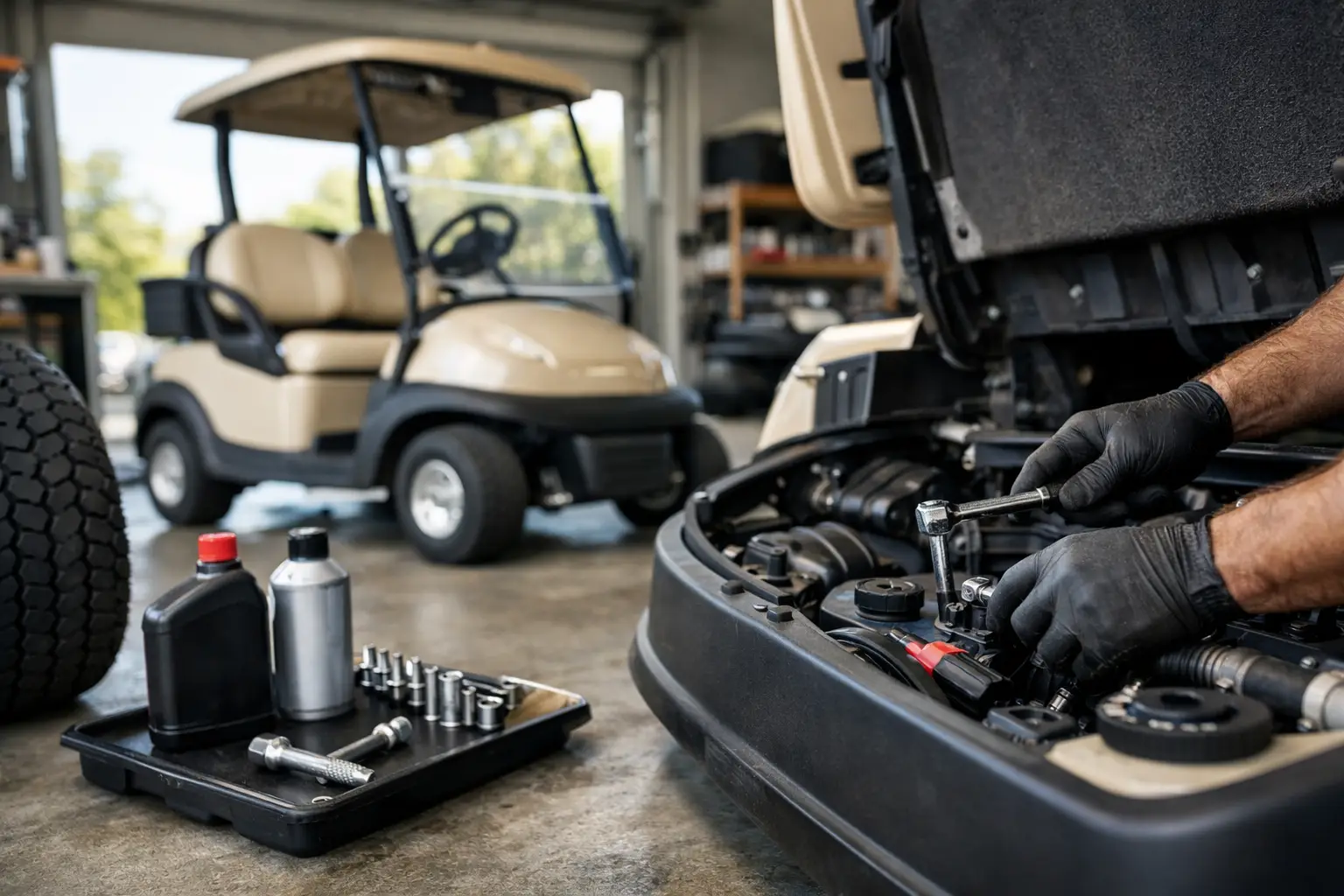
A cart that hesitates leaving the driveway, pulls to one side, or runs out of range before dinner can put a damper on a great Denton day. Consistent Denton golf cart maintenance prevents most of those frustrating moments while protecting the comfort, performance, and polished look that made you want a premium electric cart in the first place.
For neighborhood rides, golf outings, family trips, and community events, your cart is more than a piece of equipment. It is personal transportation. A simple routine helps it stay ready for every plan, especially through North Texas heat, shifting weather, and the stop-and-go driving common in residential communities.
Start With the Battery System
Your batteries determine how confidently your cart performs. Whether your vehicle uses lithium batteries or traditional lead-acid batteries, they deserve the most attention in your maintenance routine.
Lithium-equipped carts generally need less hands-on maintenance. Keep the battery charged according to the manufacturer's guidance, avoid leaving it at an extremely low charge for long periods, and use the charger designed for your cart. If the cart will sit for several weeks, follow the storage instructions for that battery system rather than assuming every lithium battery should be treated the same way.
Lead-acid batteries need a closer look. Check water levels only after charging, and use distilled water when a battery requires it. The water should cover the plates, but overfilling can create overflow and corrosion. Keep battery tops dry and clean, and inspect terminals for white or blue-green buildup. Corrosion can interfere with charging and reduce power delivery even when the batteries appear fully charged.
Denton summer heat adds another variable. Heat can shorten battery life, particularly when a cart is repeatedly run low and parked without a proper recharge. Charge in a dry, ventilated area, and do not wait until the cart is nearly empty every time. A consistent charge routine is easier on the system than frequent deep discharges.
Give Tires, Brakes, and Steering a Monthly Look
A quiet electric cart can hide gradual wear. Once a month, walk around it before a drive and look at the basics: tire condition, brake response, steering feel, lights, and any loose hardware. This takes minutes and can catch a small issue before it affects a family ride.
Tire pressure matters more than many owners expect. Low pressure can make steering feel heavy, reduce range, and wear the edges of the tire faster. Overinflation can create a firmer ride and reduce traction. Use the pressure recommendation listed for your specific tire or cart, not a number borrowed from a full-size vehicle.
Look for cuts, cracking, embedded debris, or uneven tread wear. Uneven wear may point to an alignment, suspension, or inflation issue. Carts used often on rough paths, gravel, or uneven neighborhood pavement may need inspections more frequently than carts used primarily on smooth streets or course paths.
Brakes should feel firm and predictable. If you hear grinding, feel vibration, notice longer stopping distances, or have to press the pedal farther than usual, schedule service. Do not treat brake changes as a cosmetic concern. Golf carts carry passengers, often including children and grandchildren, and dependable stopping power is part of responsible ownership.
Keep Your Cart Clean Without Damaging It
Premium finishes, seats, windshields, and accessories look their best with regular cleaning, but the method matters. Dust, pollen, mud, and road grime can work their way into seams and around moving components over time.
Use a mild automotive-safe cleaner, soft cloths, and a gentle rinse. Avoid directing high-pressure water at battery compartments, electrical connections, switches, wheel hubs, or under-seat electronics. Pressure washers can force water where it does not belong, turning a simple wash day into an avoidable service visit.
Clean the windshield with a product intended for acrylic or polycarbonate surfaces. Household glass cleaners may contain chemicals that can haze or damage certain windshields. For seats, wipe spills promptly and use a vinyl-safe cleaner when needed. A cart cover or covered parking can reduce sun exposure and keep the cabin more comfortable, though the right approach depends on how frequently you use the vehicle.
Denton Golf Cart Maintenance for Seasonal Weather
North Texas weather does not always follow a predictable script. High heat, sudden rain, windblown debris, and cool stretches can each affect your cart differently.
During hot weather, check battery performance and tire pressure more often. Keep an eye on seat surfaces, dashboard trim, and enclosures that receive direct sun. If possible, park in a garage, covered area, or shaded location after a ride. Shade is not just about preserving appearance. It also reduces heat stress on the cabin and electrical components.
After rain, dry the cart and inspect the floor area, charging port, and battery compartment for standing water. Modern electric carts are built for normal outdoor use, but they are not designed to be submerged or driven through deep water. If your cart has been exposed to unusual moisture, a professional inspection offers more peace of mind than hoping everything dries out on its own.
Cooler weather may make an aging battery system feel weaker because available capacity can temporarily drop. That does not automatically mean replacement is necessary. It does mean a battery test can be useful if range has noticeably changed.
Do Not Ignore Sounds, Smells, or Changes in Range
Your cart usually gives early warning signs when it needs attention. A new clicking sound, squeal, vibration, burning smell, warning light, charger issue, or drop in range is worth investigating. Waiting for a complete failure can turn a straightforward adjustment or repair into a more involved appointment.
Pay attention to how the cart behaves on familiar routes. If it struggles on a hill it once handled easily, loses power under passenger load, drifts while steering, or charges inconsistently, write down what you noticed and when it occurred. Those details help a technician diagnose the issue more efficiently.
It is also wise to inspect accessories periodically. Confirm that mirrors are secure, seat belts function correctly where equipped, lights work, and any enclosure panels or storage components are firmly attached. Accessories make your cart more useful and enjoyable, but they also add parts that need occasional care.
Know When Professional Service Is the Smart Choice
Owner care goes a long way, but it does not replace scheduled professional service. A trained technician can test battery health, assess the charging system, inspect brakes and suspension, check electrical connections, and identify wear that is not obvious from the driveway.
The right interval depends on mileage, terrain, storage conditions, battery type, and how your cart is used. A cart that carries the family around the neighborhood most weekends has different needs than one used daily on a large property or frequently loaded with passengers and gear. As a practical baseline, plan at least an annual inspection and move that schedule up if you notice changes in performance.
For Denton owners, working with a knowledgeable service team can be especially valuable when your cart has upgrades, lithium power, specialty wheels, lifted suspension, or multiple comfort accessories. These vehicles deserve service that accounts for the complete build, not a one-size-fits-all checklist. Oasis Carts can help owners understand what their particular model needs and address concerns before they interrupt the season.
Make Maintenance Part of the Ownership Experience
The best maintenance plan is the one you will actually follow. Keep a short note on your phone with service dates, tire-pressure checks, battery observations, and any unusual behavior. That small record makes it easier to spot patterns and gives a technician useful context if a concern develops.
Before your next neighborhood ride, take five minutes to check the charge level, tire condition, brakes, and lights. That routine protects your investment, supports safer family time, and keeps your cart ready for the spontaneous trips that make ownership so enjoyable.