
Do Golf Carts Need Insurance?
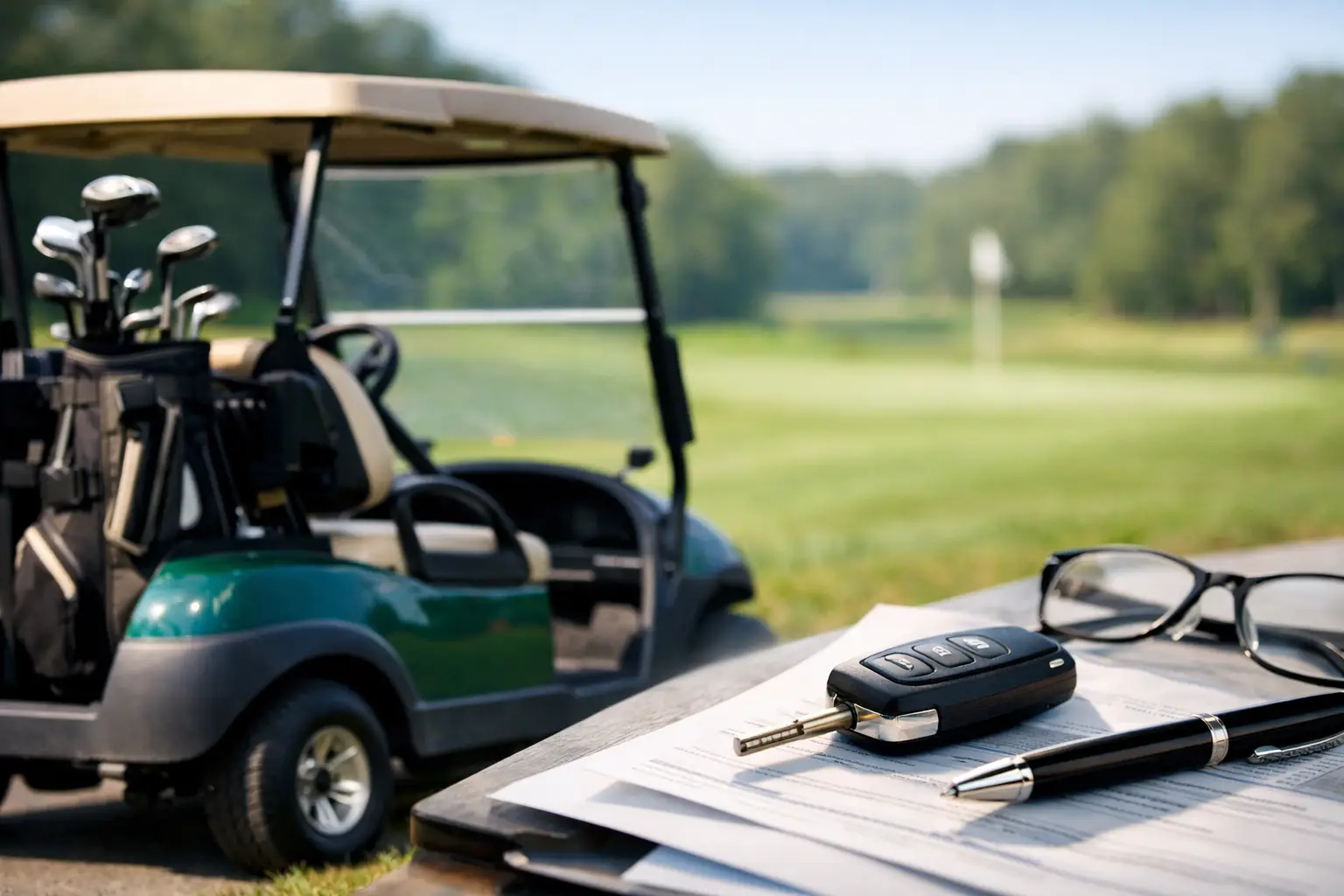
You finally have the cart you wanted - quiet, comfortable, easy to drive, and perfect for getting around the neighborhood, the golf course, or the campground. Then the practical question shows up fast: do golf carts need insurance? The short answer is sometimes. The better answer is that it depends on where you drive, how your cart is classified, and how much financial risk you want to carry yourself.
For many owners, insurance is not just about checking a legal box. It is about protecting a vehicle that gets real use, carries family and friends, and can be expensive to repair or replace.
Do golf carts need insurance by law?
In some cases, yes. In others, no. That is why this topic gets confusing.
A traditional golf cart used only on private property or on a golf course may not be legally required to carry insurance in your state. But once that same cart is driven in a gated community, master-planned neighborhood, beach town, resort area, or on certain public roads where local rules allow low-speed vehicle traffic, the insurance question changes.
State law matters, but so do city ordinances, HOA rules, and the way the vehicle is registered. Some carts are treated as standard golf carts. Others meet the definition of a low-speed vehicle, often called an LSV. An LSV typically has to meet federal equipment standards and may require registration, a title, and liability insurance before it can be legally driven on approved public streets.
That distinction is where many buyers get tripped up. Two vehicles may look similar, but the legal requirements can be very different.
Golf cart vs. low-speed vehicle
A golf cart is usually designed for off-road or private property use at lower speeds. A low-speed vehicle is built for limited on-road use and generally includes features like seat belts, lights, mirrors, a windshield, and a VIN for registration purposes.
If your vehicle qualifies as an LSV and you plan to drive it on public roads where permitted, insurance is often required, at least for liability. If your cart stays inside a private neighborhood or on personal land, the law may be less strict, but that does not mean going uninsured is a smart move.
This is especially true for premium electric carts. Today’s models are more advanced, more comfortable, and more valuable than many people expect. A nicer cart can also mean a bigger repair bill after an accident.
When insurance makes the most sense
Even if your state does not require it, insurance is often worth having when your cart is used regularly around other people, vehicles, or property.
If you drive to the community pool, visit neighbors, take the kids to nearby amenities, or use the cart for events and errands within a planned community, your exposure goes up. The same is true if guests drive it, teenagers use it, or you transport multiple passengers.
One low-speed collision can turn into a costly situation. Property damage, medical bills, and legal claims add up quickly. Without insurance, those costs may land directly on you.
There is also the theft issue. Golf carts are easy to move, attractive to thieves, and commonly stored in carports, driveways, and detached garages. In some areas, storm damage is another real concern. If your cart is a meaningful investment, insurance can help protect that value.
What golf cart insurance usually covers
Policies vary by carrier, but golf cart insurance often looks similar to auto or powersports coverage.
Liability coverage helps if you injure someone or damage their property while operating the cart. This is the big one from a risk standpoint, especially if you use your cart in shared community spaces.
Collision coverage helps pay for damage to your cart after an accident, regardless of fault, subject to your deductible. If you back into a post, clip a parked vehicle, or get hit at an intersection inside a neighborhood, collision coverage can matter.
Comprehensive coverage is for non-collision problems like theft, vandalism, fire, hail, or falling objects. In states with intense weather, that protection can be more valuable than owners first assume.
Medical payments coverage may help with injuries to you or your passengers after an accident. Some policies also offer uninsured or underinsured motorist protection, which can help if another driver causes damage but does not have enough insurance.
Accessory coverage is another detail worth checking. If your cart has custom wheels, upgraded seats, a premium sound system, enclosure panels, or other add-ons, make sure those upgrades are included. Not every base policy automatically covers custom equipment.
Will homeowners insurance cover a golf cart?
Sometimes, but usually in a limited way.
A homeowners policy may provide some protection if the cart is stolen from your property or damaged under certain circumstances. But that does not mean it covers liability when you are driving around the neighborhood or using the cart away from home.
That is the gap many owners do not realize they have. They assume the cart is covered because it is stored at home, only to learn that real-world driving incidents may be excluded or capped at low limits.
The safest move is to ask your insurance provider very specific questions. Does your homeowners policy cover the cart on and off your property? Does it cover guest drivers? Does it cover street-legal use? Does it cover custom accessories? General assumptions are where expensive surprises happen.
How much insurance do you really need?
That depends on how often you use the cart, where you use it, and what the cart would cost to replace.
If your cart rarely leaves private property and has modest value, you may decide basic protection is enough. If you use it as a regular neighborhood vehicle, carry family members, or own a newer premium model, broader coverage usually makes more sense.
Liability limits deserve careful attention. State minimums, where they apply, are not always enough in a serious accident. A policy with stronger liability protection can make ownership feel much more comfortable.
Replacement cost also matters. Many buyers underestimate what a fully equipped electric cart is worth until they price one out again. If your cart includes upgraded batteries, premium seating, lifted suspension, wheels, lighting, or other lifestyle features, make sure the insured value reflects the actual setup.
Questions to ask before you buy a policy
The right insurance decision starts with the right questions.
Ask how the insurer classifies your vehicle. A true golf cart and an LSV may need different coverage. Ask where the cart is covered, whether only on your property, throughout your neighborhood, or on approved public roads. Confirm who is allowed to drive it under the policy and whether accessories are included.
You should also ask about storage conditions, deductibles, claims for battery damage, and whether transport on a trailer affects coverage. These details seem small until you need to file a claim.
If you are financing the cart, your lender may also require certain coverages. That is another reason to get clarity early rather than after delivery.
A smart ownership move, not just a legal one
For many families, a golf cart becomes part of daily life faster than expected. It starts as a fun purchase and turns into the go-to vehicle for quick rides, local events, and weekend routines. Once that happens, insurance stops feeling optional and starts feeling practical.
This is particularly true for buyers choosing premium carts with modern features and higher replacement costs. A well-built electric cart offers convenience, style, and real utility, but it also deserves the kind of protection you would give any other vehicle you rely on.
If you are comparing models or planning to use your cart beyond the course, it is worth discussing insurance before you buy. A knowledgeable dealership can help you understand how a cart may be classified and what questions to ask your insurer, which makes ownership smoother from day one. That is part of what makes the experience at Oasis Carts feel more complete - you are not just buying the vehicle, you are buying with better information.
The best time to think about insurance is before your first unexpected repair bill, liability claim, or stolen-cart report. A little planning now can protect a lot of enjoyment later.