
Electric Carts With Rear Seats: Worth It?
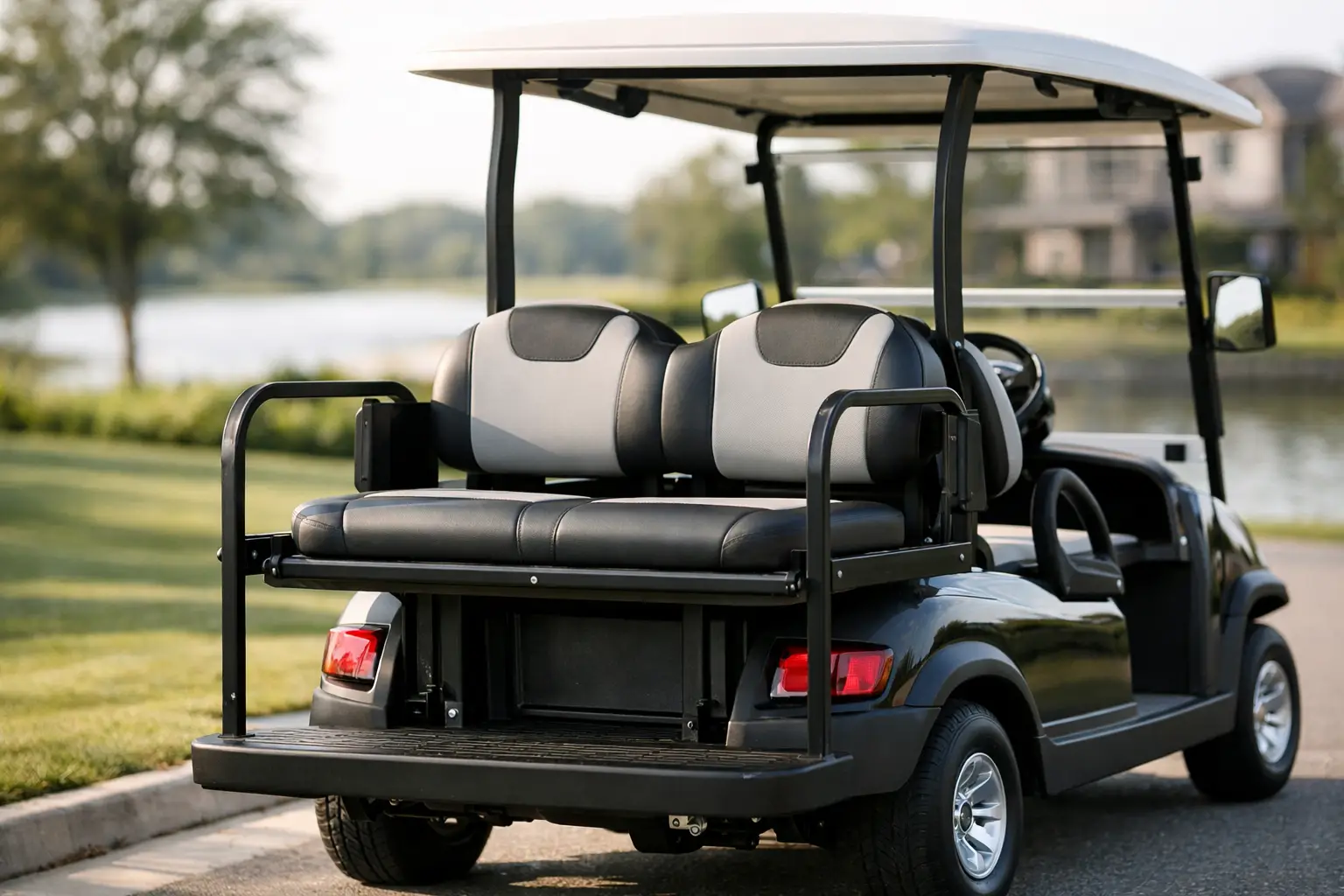
A two-passenger cart feels plenty roomy - right up until neighbors want a ride to the pool, grandkids hop in for an evening loop, or you realize every quick trip turns into a group outing. That is exactly why electric carts with rear seats have become one of the most requested setups for homeowners, families, and recreational buyers who want more than a basic runabout.
The appeal is easy to understand. A rear seat turns a cart into a more practical lifestyle vehicle without pushing you into something oversized or difficult to own. For many buyers, it is the difference between a cart that gets used occasionally and one that becomes part of daily life.
Why electric carts with rear seats are so popular
Most people do not shop for a golf cart because they plan to play golf every day. They are buying for neighborhood drives, community events, clubhouse trips, campground use, lake property, and easy local transportation. In those settings, extra passenger space matters more than people expect.
A rear-facing or convertible back seat makes the cart flexible enough for family use while keeping the footprint compact. You can take the kids to a friend’s house, bring another couple along for a sunset ride, or move guests around during gatherings without needing a second vehicle. For retirees, that same layout can mean easier social outings with friends and family. For homeowners in master-planned communities, it often becomes the preferred way to get around.
There is also a value question here. Many buyers compare a standard two-seater with a four-passenger setup and realize the upgrade gives them much more day-to-day usefulness. If the cart is going to be part of your routine, extra seating is not a luxury feature - it is often the practical choice.
What to look for in electric carts with rear seats
Not every four-passenger cart feels the same, and that is where smart shopping matters. Two carts can look similar online but deliver very different ownership experiences.
The first thing to pay attention to is how the rear seat is designed. Some are fixed rear-facing benches, while others are flip seats that convert into a cargo deck. A flip seat is especially useful if you want both passenger capacity and hauling convenience. It gives you room for coolers, bags, or everyday gear when you are not carrying extra riders.
Ride quality matters just as much as seat count. Adding rear passengers changes how the cart handles weight, so suspension and chassis quality become more important. A well-built cart should feel stable with four people aboard, not bouncy, strained, or underpowered. That is why buyers should look past surface features like wheels and paint color and ask how the cart performs under real passenger load.
Battery setup is another major factor. If you plan to carry more people regularly, you want enough power and range to do it comfortably. Modern lithium battery systems are especially appealing because they typically offer longer life, faster charging, lighter weight, and less maintenance than traditional lead-acid options. That does not mean lead-acid is automatically the wrong choice, but for many lifestyle buyers, lithium makes ownership simpler.
You should also look closely at safety and comfort details. Rear passengers need secure seating, sturdy grab handles, reliable braking, and enough foot room to ride comfortably. If children or older family members will be frequent passengers, these details stop being optional very quickly.
The trade-offs buyers should know
More seating is a great feature, but it is still a trade-off. The smartest buyers go in knowing what changes when they move from a two-passenger cart to one with a rear seat.
The biggest difference is weight. A four-passenger cart, especially with passengers aboard, asks more from the motor, brakes, suspension, and battery. That is not a problem if the cart is designed for it, but it is a problem if someone buys based on looks and ignores build quality.
Storage can also change. Some rear seat designs reduce space for coolers, bags, or utility use unless the seat converts into a cargo platform. If you expect to haul a lot of gear, a flip seat setup may suit you better than a fixed passenger bench.
There is also the question of where and how you will use it. If your typical ride is just one or two people, and extra passengers are rare, a rear seat may not add much value. On the other hand, if your cart is part of family life, entertaining, or neighborhood socializing, it can easily become the feature you use most.
This is where good dealership guidance matters. The right choice depends less on what looks best in a photo and more on how you actually plan to live with the cart.
Who should buy a cart with a rear seat?
For families, the answer is usually simple. If you have kids, visiting relatives, or regular neighborhood activity, the extra row pays off fast. It gives you room to bring people along without making every outing a logistics problem.
For retirees, electric carts with rear seats can be a smart lifestyle upgrade because they make social use easier. Dinner with friends, community events, holiday rides, or having grandkids in town all feel more convenient when the cart has space built in from the start.
They are also a strong fit for buyers with vacation homes, lake houses, ranch properties, or campground setups. In those settings, the cart often becomes a casual people-mover. The more flexible it is, the more useful it becomes.
Where buyers should pause is when they want utility first and passengers second. If your main goal is hauling tools, supplies, or equipment every day, there may be better configurations than a rear passenger seat. Some owners still prefer a flip seat because it gives them a cargo platform when needed, but the best answer depends on whether your cart is primarily for people, property tasks, or both.
Buying from a dealership versus buying on looks alone
Rear-seat carts are a category where dealership support really matters. Online photos can make almost any model look impressive, but they do not tell you much about long-term comfort, battery quality, service support, or how the cart behaves with four passengers.
A good dealer helps you compare brands, seating layouts, battery options, warranty coverage, and service expectations without turning the process into pressure. That is especially important for first-time buyers who want confidence, not a crash course in electric vehicle engineering.
It also matters after the sale. A rear-seat cart that gets used heavily by families and guests needs dependable service support, inspections, and repair access if needed. Premium ownership is not just about the day you buy the cart. It is about how easy it is to keep enjoying it.
For shoppers in Texas, especially in communities where neighborhood cart use is part of daily life, seeing models in person can help clarify what feels comfortable, what has enough space, and which setup matches how your family actually travels.
Features that are worth paying for
Some upgrades are cosmetic. Others make a real difference with rear-seat carts.
If you plan to carry passengers often, quality suspension is worth the money. It improves comfort, stability, and confidence, especially on longer neighborhood rides. Lithium batteries are another upgrade that often makes sense because they reduce maintenance and support stronger everyday usability.
Weather protection can be a smart add-on too. A durable roof, windshield, and enclosure options can make the cart more comfortable for passengers across changing conditions. Premium seating materials are not just about looks either - they can improve comfort and durability when the cart becomes a regular part of family life.
Lighting and visibility features matter more than many buyers expect. If you use the cart in the evening or during community events, better headlights, signals, and mirrors add convenience and peace of mind.
The right features depend on your routine. A cart used for quick weekend rides needs something different than one used daily for neighborhood transportation.
So, are electric carts with rear seats worth it?
For many buyers, yes - absolutely. The extra seat changes the cart from a personal vehicle into a shared lifestyle vehicle, and that distinction matters. It can mean more family use, more flexibility, and fewer moments where someone gets left behind.
The key is choosing a model that is truly built for the job, not just styled to look the part. Strong battery performance, stable handling, passenger comfort, warranty coverage, and service support all matter more when more people are riding with you.
If your cart is meant to be part of everyday life rather than an occasional toy, a rear seat is often one of the smartest upgrades you can make. Buy for the way you live, not just the way the cart looks on the showroom floor, and you are far more likely to end up with something you enjoy for years.