
Electric Golf Cart Service Checklist
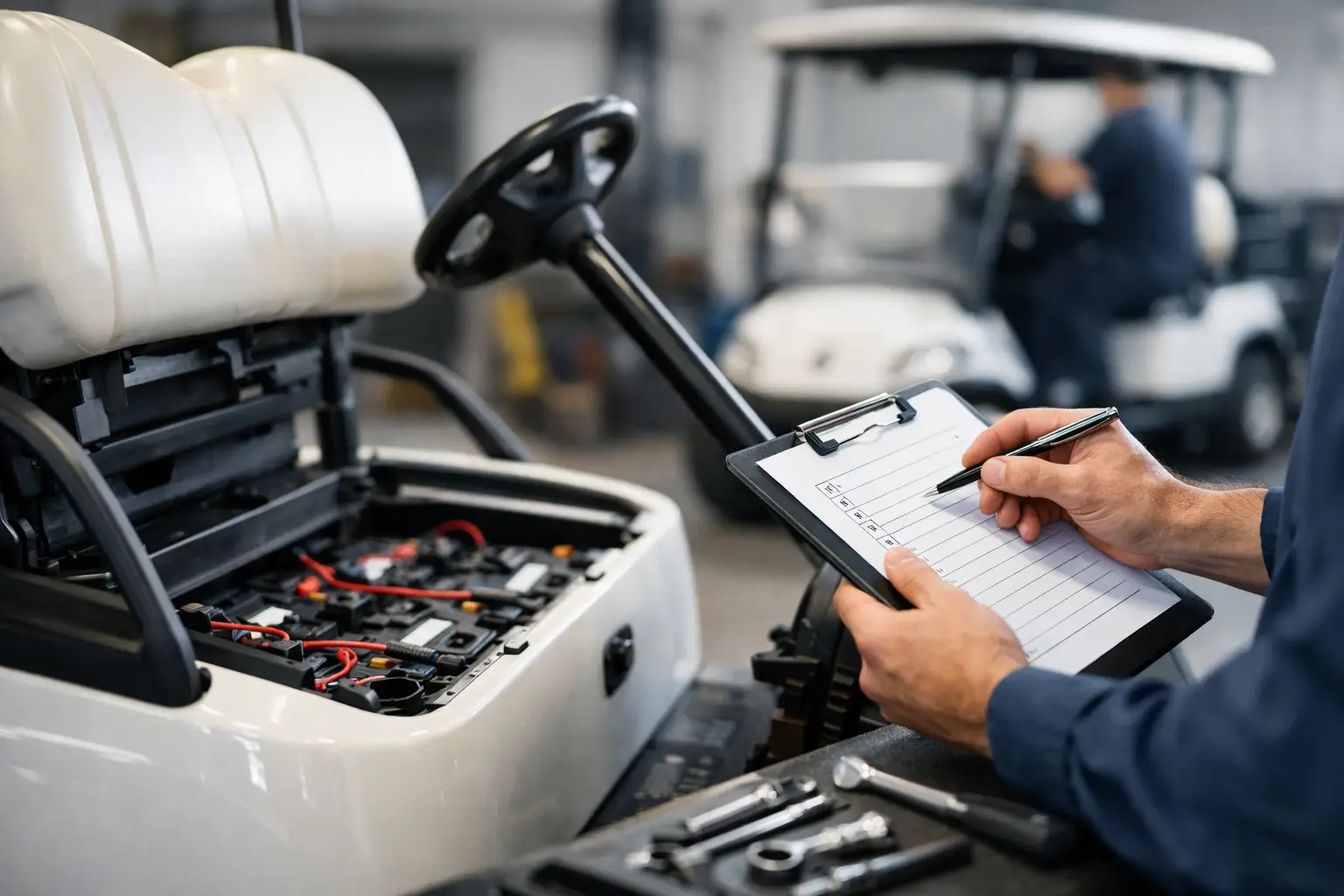
A cart that looks great in the driveway can still hide the kind of wear that shortens battery life, dulls performance, and turns a quick neighborhood ride into an unexpected service visit. That is why an electric golf cart service checklist matters. It gives owners a simple way to stay ahead of small issues before they become expensive ones.
For most families, retirees, and recreational drivers, the goal is not to become a technician. It is to keep the cart reliable, safe, and ready for the next school pickup, evening cruise, campground trip, or round of golf. A good maintenance routine should feel practical, not intimidating. The right checklist helps you know what to watch, what to clean, and when it makes sense to call in trained service support.
What an electric golf cart service checklist should cover
Not every electric cart has the same battery setup, controller, motor, or charging system, so service needs can vary a bit by brand and model. Still, most owners benefit from checking the same core areas on a consistent schedule: batteries, cables, tires, brakes, steering, suspension, lights, charger function, and overall cart cleanliness.
Think of the checklist in three layers. First, there are quick visual checks you can do before regular use. Second, there is routine monthly or seasonal maintenance that protects long-term performance. Third, there are deeper inspections best handled by a service technician, especially when electrical diagnostics or brake adjustments are involved.
Before every few rides
A fast walkaround catches more problems than many owners expect. Start with the tires. Uneven wear, low pressure, or visible cracking can make the cart feel sluggish and unstable, especially when carrying passengers. Tire pressure that is too low also puts more strain on the battery system because the cart has to work harder to move.
Next, check that the charger connected properly after the last use and that the cart is reaching a normal state of charge. If your cart suddenly feels weaker than usual, the issue may not be the battery pack itself. It could be a charger problem, a loose cable, or corrosion at a terminal.
Lights, brake lights, turn signals, and the horn should also be part of the routine if your cart is used in neighborhoods or community streets. These are easy to overlook until you need them. If anything flickers or cuts out, it is worth addressing early rather than assuming it will sort itself out.
Finally, pay attention to how the cart feels while driving. New squeaks, vibration, slower acceleration, pulling to one side, or a spongy brake pedal are all signs that something needs attention.
Battery care is the center of the checklist
For an electric cart, battery health drives nearly everything else. Whether your cart uses lead-acid or lithium batteries, poor battery care can affect range, speed, and reliability.
Lead-acid battery checks
If you have lead-acid batteries, inspect water levels regularly and top off only with distilled water when needed. Water should be added at the correct time, usually after charging, because overfilling before a charge can cause overflow. Battery terminals should be clean, dry, and free of corrosion. Even a small amount of buildup can interfere with performance.
You should also make sure the hold-down hardware is secure. Batteries that shift while driving can damage cables and create avoidable wear. If one battery in the pack is underperforming, the whole cart can feel off. That is one reason battery testing is valuable during scheduled service.
Lithium battery checks
Lithium systems need less routine maintenance, but they are not maintenance-free in the absolute sense. You still want to monitor charge behavior, inspect connections, and make sure the battery management system is functioning as expected. Sudden drops in range, irregular charging times, or warning indicators should not be ignored.
Lithium is often the easier ownership experience, but diagnosis can be more technical. When there is a battery communication issue or electronic fault, professional service is usually the faster and smarter path.
Keep terminals, cables, and connections clean
One of the most common causes of avoidable electric cart issues is poor connection quality. Loose battery cables, corroded terminals, or worn wiring can create symptoms that mimic larger failures. You might notice reduced power, intermittent starting issues, or charger trouble.
Your electric golf cart service checklist should include a visual inspection of all visible cables and connectors. Look for frayed insulation, discoloration, or signs of heat. If a connection appears loose, do not guess your way through tightening critical electrical components unless you are comfortable doing it correctly. Over-tightening can be just as problematic as leaving a connection loose.
Tires, brakes, and steering matter more than many owners think
Because electric golf carts are quiet and easy to drive, owners sometimes focus heavily on the battery and overlook the chassis. That is a mistake. Ride quality, safety, and battery efficiency all depend on the basics being right.
Tire pressure should be checked regularly because even a premium cart will feel rough or unsteady on underinflated tires. Brakes should respond smoothly and evenly. If you hear grinding, feel hesitation, or notice extra stopping distance, schedule service promptly.
Steering and suspension deserve attention too, especially if you drive on mixed surfaces, carry multiple passengers, or use the cart often around the neighborhood. Loose steering components, worn bushings, or suspension fatigue can start subtly. Left alone, they usually become more expensive to fix.
Clean carts last longer
A clean cart is easier to inspect and often easier to maintain. Dirt, grass, moisture, and road debris can collect around moving parts and electrical areas. That does not mean you need to obsess over cosmetic perfection. It means regular cleaning supports better ownership.
Use a gentle approach around electrical components and avoid soaking areas that should stay protected. Seats, floors, and storage areas should also be kept clean so that hidden moisture or debris does not create odors, wear, or corrosion over time.
If your cart lives in Texas heat, storage habits matter even more. Shade, a proper cover, and consistent charging practices help protect both the finish and the battery system. High heat does not ruin every cart, but repeated exposure without good care can shorten component life.
Monthly and seasonal service items
A strong checklist includes a deeper review every month or at the start of each season, depending on how often you drive. This is a good time to inspect battery voltage or charge status trends, verify tire condition, test all lighting, examine brake response, and look underneath for anything loose or worn.
Seasonal service becomes especially useful for owners who use their cart heavily during spring and summer, then less often during colder months. Long periods of sitting can be hard on batteries if storage prep is neglected. If you know the cart will be idle, follow the correct charging and storage guidance for your battery type. Lead-acid and lithium do not always want the same treatment.
This is also the right time to think about software or system checks on newer carts with more advanced electronics. As carts become more refined and lifestyle-focused, the ownership experience improves, but diagnostics can become less DIY-friendly. That is not a downside if you have access to skilled service. It just changes what belongs on your personal checklist versus a technician's checklist.
When to handle it yourself and when to book service
There is a smart middle ground between ignoring maintenance and trying to do every repair at home. Most owners can manage visual inspections, basic cleaning, tire pressure checks, and simple battery care. Those habits go a long way.
But if the cart loses range quickly, struggles to charge, makes unusual noises, shows electrical faults, or brakes inconsistently, professional service is the better move. The same goes for annual inspections. A technician can load-test batteries, evaluate chargers, inspect wiring, check brake wear, and catch suspension or steering issues before they affect safety.
That is especially valuable for families using a cart as part of everyday neighborhood transportation. Reliability feels very different when the cart is not just for occasional fun. It becomes part of your routine.
A practical service rhythm for long-term ownership
The best electric golf cart service checklist is the one you will actually follow. Keep it realistic. Do a walkaround often. Stay consistent with charging. Check tires and lights regularly. Watch for battery or cable issues. Schedule deeper service before problems pile up.
Premium electric carts are built to deliver comfort, quiet performance, and easy enjoyment, but they stay that way with the right support. A well-maintained cart does more than avoid repairs. It holds onto the smooth, confident feel that made it appealing in the first place.
If you ever feel unsure whether something is normal, trust that instinct. Small changes in sound, braking, charging, or range are usually worth a closer look. Staying proactive is what keeps ownership easy and keeps every ride ready for whatever the day has planned.