
Electric Versus Gas Golf Carts
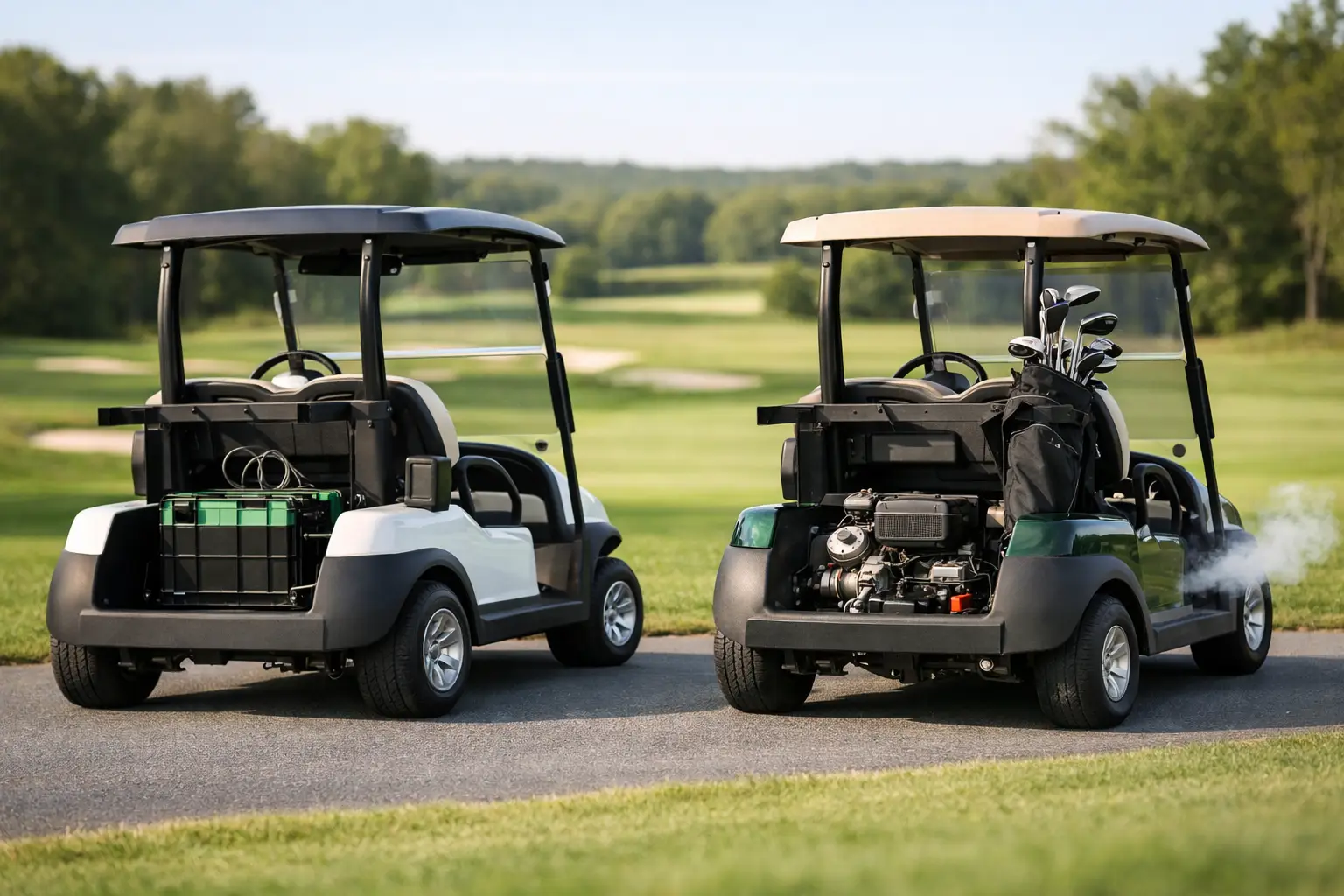
The first thing most buyers notice in the electric versus gas golf carts debate is not a spec sheet. It is the experience. One cart starts quietly, glides through the neighborhood, and feels right at home in a driveway next to a family SUV. The other brings more of that familiar small-engine feel - useful in certain settings, but not always ideal for the way most people actually use a golf cart today.
For families, retirees, and neighborhood drivers, the question usually is not which type has existed longer. It is which one fits daily life better. If your cart is going to carry kids to the pool, head to community events, make short local trips, or add comfort and style to weekends, the details behind ownership matter more than the label on the motor.
Electric versus gas golf carts: what really separates them
At a basic level, electric carts run on battery power and gas carts run on a combustion engine. That sounds simple, but the ownership experience is very different.
Electric carts are quieter, cleaner, and generally easier to live with. They deliver instant torque, which means smooth takeoff from a stop and a refined feel around neighborhoods, private communities, and residential streets. Gas carts tend to offer longer run time without recharging and can be refueled quickly, which is why they have traditionally appealed to buyers using carts for long workdays or extended utility use.
That said, many shoppers are no longer choosing between two equal lifestyle options. In personal transportation, electric carts have become the natural fit for how most buyers actually drive. The better question is less about which one is stronger on paper and more about where, how, and how often you plan to use it.
Why electric carts fit modern neighborhood use better
If your main goal is convenient personal transportation, electric carts make a strong case almost immediately. They start easily, run quietly, and avoid the vibration, smell, and engine noise that can make a gas cart feel more like equipment than an upgrade to your lifestyle.
That matters more than people expect. A quiet cart changes the feel of a morning ride through the neighborhood. It makes conversations easier with passengers. It feels more appropriate near homes, walking paths, and community gathering areas. For buyers who want a premium cart experience, that refinement is not a small detail - it is part of the value.
Electric carts also align better with the expectations many buyers have today around ease and simplicity. Charging at home is straightforward. There is no trip to get fuel, no engine oil to manage, and generally fewer routine mechanical concerns. For owners who want a vehicle that is ready for family fun with less hassle, electric often wins on convenience alone.
Cost of ownership is not just the sticker price
A gas cart can sometimes look appealing if you focus only on upfront price or old assumptions about battery replacement. But long-term ownership is where the picture changes.
Electric carts typically cost less to operate. Charging is generally cheaper than buying gasoline, especially for buyers who use their carts regularly for neighborhood driving. Maintenance is usually lighter too. Without an internal combustion engine, you are not dealing with oil changes, spark plugs, fuel filters, and many of the service items that come with gas-powered equipment.
Battery technology also deserves a more current conversation than it often gets. Older ideas about electric carts were shaped by lead-acid ownership, which involved more upkeep and more noticeable performance decline over time. Newer lithium-equipped carts have changed expectations. They charge faster, require less maintenance, and deliver a more premium ownership experience.
That does not mean gas never makes sense. If someone is using a cart for very long stretches every day in a setting where stopping to recharge is inconvenient, gas may still be practical. But for the average personal-use buyer, lower operating costs and simpler upkeep often make electric the stronger value over time.
Performance depends on how you use the cart
One of the most common misconceptions in electric versus gas golf carts comparisons is that gas automatically means more power. In real-world neighborhood driving, that is often not how it feels.
Electric carts deliver torque immediately. That gives them smooth, confident acceleration from a stop, which is exactly what matters when you are moving through residential areas, crossing community streets, or carrying passengers. They also tend to feel more refined overall, especially in premium models designed for comfort, style, and personal transportation rather than pure utility.
Gas carts can be useful when a buyer needs extended run time over large properties or in more rugged work-focused settings. They may be favored in certain commercial or agricultural scenarios where refueling speed matters more than quiet operation. But most recreational and neighborhood buyers are not asking their cart to do that kind of job.
For everyday family use, practical performance means comfort, predictability, and a cart that feels easy to enjoy. In that environment, electric performs exceptionally well.
Maintenance and reliability expectations
Reliability is not just about whether a cart runs. It is about how much attention it needs along the way.
Electric carts generally have fewer moving parts related to propulsion, which can mean fewer service headaches. That simplicity is one reason they appeal to buyers who want confidence without becoming mechanics. For many owners, the ideal cart is one that charges overnight and is ready to go the next day without much thought.
Gas carts have more traditional engine-related service needs. Some owners are perfectly comfortable with that, especially if they are used to maintaining lawn or recreational equipment. Others would rather avoid the noise, tune-ups, fuel issues, and seasonal maintenance that can come with gas ownership.
A strong dealership matters here. The best buying experience is not just picking a cart - it is having access to trained technicians, clear warranty support, and guidance on what kind of ownership fits your habits. That is especially important for first-time buyers who want a premium vehicle without the guesswork.
Range, charging, and the real-world question buyers should ask
Range is often framed as the deciding factor, but it should be looked at honestly. Most personal golf cart owners are not driving all day without breaks. They are taking shorter trips around neighborhoods, communities, golf courses, local amenities, and family gatherings.
For that kind of use, electric range is often more than sufficient. If the cart can be charged at home and used predictably, range becomes much less of a concern than people expect at the start of the shopping process.
The real question is this: does your routine support charging, or do you need nonstop operation over long periods? If your answer is charging at home overnight and enjoying the cart through the week, electric is usually the better fit. If your answer is continuous heavy use in a setting where downtime is costly, gas may still deserve consideration.
That is why the right choice depends on your lifestyle, not just the brochure.
Which cart fits your household best?
If you want a cart for neighborhood cruising, family outings, retirement community transportation, local errands, or recreational use, electric is usually the clear winner. It feels more polished, more modern, and more aligned with how personal transportation carts are used today.
If you need a work-focused vehicle for extended use on large land, with quick refueling and less concern about noise or engine feel, gas can still have a place. It is not outdated in every application. It is simply less suited to the premium lifestyle category that many buyers are shopping for now.
That distinction matters. A lot of people start by comparing motors, but they end up choosing based on comfort, convenience, and whether the cart feels like something they will genuinely enjoy owning. For most residential buyers, that points strongly toward electric.
For shoppers who want premium styling, easier upkeep, and a cart that feels at home in everyday life, electric has moved from alternative to first choice. That is especially true in communities where the cart is not just transportation - it is part of how people spend time together.
If you are weighing electric versus gas golf carts, the smartest move is to think beyond old assumptions and look closely at your real routine. The best cart is the one that fits how you live, how you drive, and how easy you want ownership to feel from day one.