
Evolution vs Icon Golf Carts
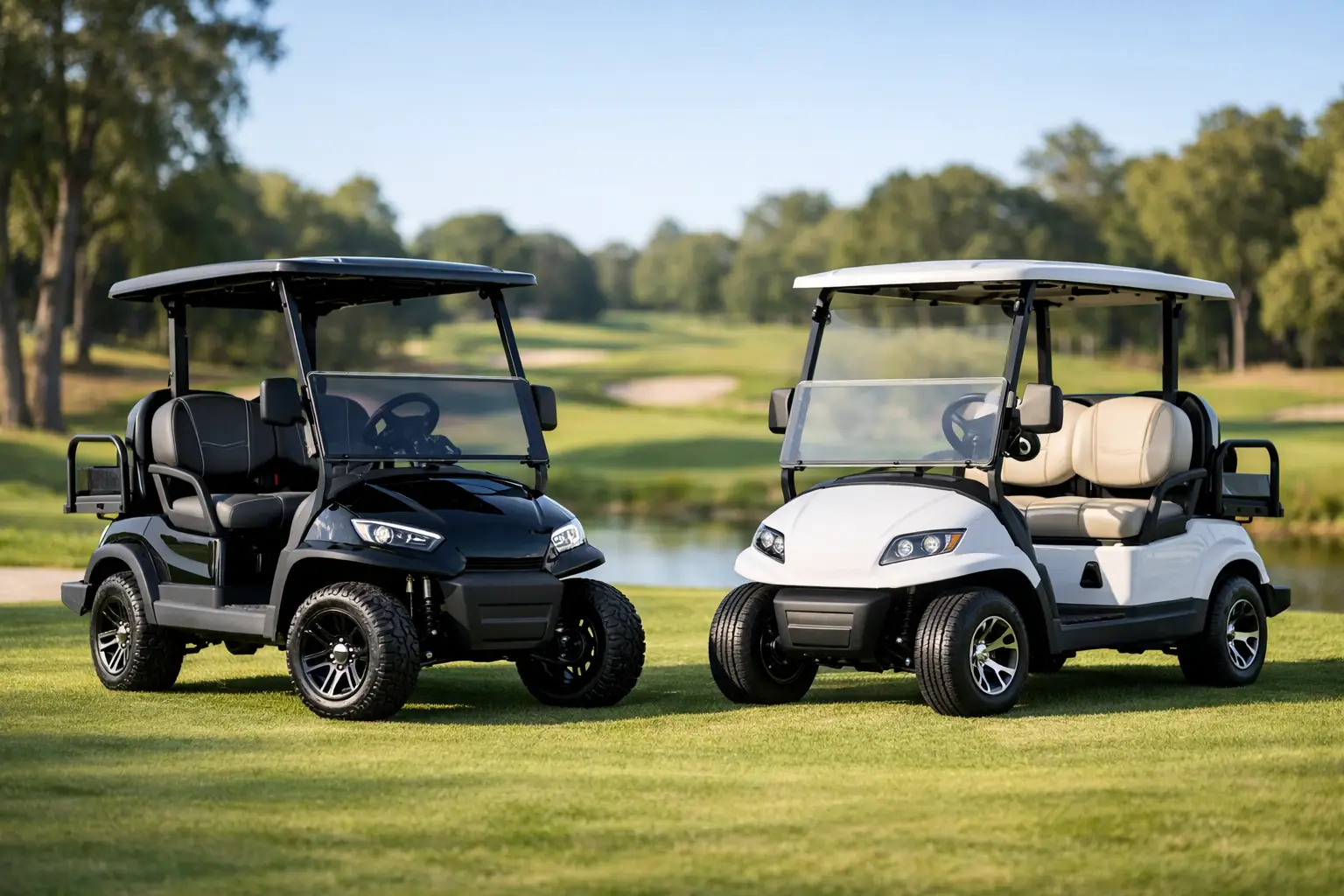
If you are weighing evolution vs icon golf carts, you are probably already past the point of asking whether you want a cart at all. The real question is which one will feel right in your driveway, fit your family, and hold up for the kind of neighborhood, recreational, or community use you actually have in mind.
That is where the comparison gets more useful than brand loyalty. Both Evolution and Icon have become popular with buyers who want more than a basic course cart. They appeal to people looking for street-ready style, modern features, and an easier way to get around the neighborhood, the lake house, the campground, or the golf community. But they do not always serve the exact same buyer in the exact same way.
Evolution vs Icon golf carts: what buyers notice first
Most shoppers notice the design language immediately. Evolution carts often stand out for a more upscale, automotive-inspired look, especially in newer lifted and lifestyle-focused models. The fit and finish can feel a little more premium depending on the trim, and many buyers are drawn to the larger screens, upgraded seating, and polished exterior details.
Icon carts tend to attract buyers who want a clean, modern look with familiar features at a strong value. They have built a reputation around giving customers a lot of equipment for the money, which matters if you are comparing cart classes side by side and trying to stretch your budget without ending up with a stripped-down vehicle.
Neither approach is automatically better. If appearance, integrated tech, and a more elevated cabin feel are high on your list, Evolution may pull ahead. If you are focused on practical value and feature density at the price point, Icon often stays very competitive.
Ride quality and performance
This is where the right choice depends heavily on how and where you drive.
For neighborhood cruising, both brands can deliver a smooth, quiet electric driving experience that feels worlds apart from older fleet-style golf carts. Acceleration is typically responsive enough for local roads, gated communities, and leisure use, and both brands offer configurations that feel much more lifestyle-oriented than traditional golf-first carts.
Evolution often gets attention from buyers who want a refined ride and a more premium driving feel. On certain models, the suspension tuning, seat comfort, and overall cockpit experience can come across as a little more upscale. If your cart will spend a lot of time carrying family and guests, that comfort factor starts to matter quickly.
Icon performs well for everyday recreational use and often satisfies buyers who want reliable local transportation without paying for every premium touch. For many families, the difference in ride feel is noticeable but not necessarily deal-breaking. A quick test drive usually tells the story better than a spec sheet.
Terrain matters too. If you are driving mostly smooth paved roads, either brand may work beautifully. If your routes include rougher neighborhood edges, mixed surfaces, or frequent curb transitions, suspension setup, tire choice, and wheelbase become more important than brand name alone.
Features and technology
This is one of the biggest reasons buyers compare Evolution and Icon in the first place. Both brands are known for packing in features that used to feel optional or upscale.
Depending on the model, you may see touchscreen displays, LED lighting, rearview cameras, Bluetooth capability, premium seats, upgraded wheels, and street-style safety equipment. That is a big part of the appeal. People shopping personal-use carts want something that feels current, not bare-bones.
Evolution often leans harder into the premium presentation. On many models, the dashboard layout and screen integration feel especially polished. Buyers who want their cart to feel like a small luxury vehicle, not just a utility machine, usually respond well to that.
Icon is also feature-rich, but the value story often stays front and center. You may find that an Icon model includes many of the same must-have comforts while landing at a price that feels more approachable. For practical buyers, that balance can be hard to ignore.
The catch is simple: more features only help if they match how you use the cart. A family using a cart for school pickup routes, pool trips, and evening rides might care much more about rear seating comfort, storage, and charging convenience than a flashy display. A buyer in a resort-style community may prioritize appearance and tech more heavily.
Battery, range, and ownership experience
Most modern buyers want lithium power, and for good reason. Faster charging, reduced maintenance, lighter weight, and longer-term convenience have made lithium one of the most appealing upgrades in the category.
When comparing evolution vs icon golf carts, battery setup should be one of the first things you verify on the exact model you are considering. Do not assume every cart in a lineup is configured the same way. Capacity, range expectations, charger type, and battery warranty can vary.
For the average personal-use owner, real-world range usually matters more than headline numbers. Ask yourself how often you will actually drive in a day. A few miles around the neighborhood is very different from all-day use in a large community or at a vacation property. Passenger load, hills, tire size, and speed all affect how far the cart will go on a charge.
This is also where dealership support matters. A cart with strong features and attractive pricing still needs proper setup, inspection, and service after the sale. Battery systems, controllers, and electrical components are not areas where most buyers want guesswork. That makes the ownership experience as important as the initial comparison.
Comfort, size, and everyday usability
The best cart is the one your family enjoys using often. That sounds obvious, but comfort gets overlooked when buyers focus too much on specs.
Look closely at seat depth, rear passenger space, step-in height, visibility, and how easy the controls feel. Evolution models often appeal to buyers who want a more premium seat and cabin impression. Icon models often do well with buyers who want straightforward comfort and a practical layout without overcomplicating the decision.
If you are choosing between lifted and non-lifted configurations, be honest about who will ride in the cart most. Lifted carts look great and can improve ground clearance, but they are not always the easiest option for every passenger, especially for retirees, younger kids, or anyone who values easy entry and exit.
Storage is another detail worth checking in person. A cart used for neighborhood fun might only need cupholders and a few places for phones and small bags. A cart used for golf, errands inside a master-planned community, or day-long outings may need more practical cargo flexibility.
Price and value are not the same thing
This is where the decision usually narrows.
Icon has often been attractive to buyers looking for strong value. If you compare feature content against purchase price, it can make a compelling case. For shoppers who want modern looks, everyday performance, and useful equipment without reaching too far into premium territory, Icon can be a very smart buy.
Evolution often appeals to buyers willing to pay more for a more upscale impression, a stronger luxury feel, or certain design and technology upgrades. If the cart is part of your lifestyle image as much as your transportation plan, that extra investment may feel justified every time you drive it.
Value should also include warranty coverage, parts availability, dealership prep quality, financing options, and long-term service support. A lower sticker price does not always mean lower ownership cost if support is inconsistent. On the other hand, paying for premium touches you will never use is not smart buying either.
Which brand is better for you?
If you want a cart that feels elevated, stylish, and a little closer to the premium side of the market, Evolution may be the better fit. It tends to resonate with buyers who care about refined appearance, cabin feel, and a higher-end ownership experience.
If you want a well-equipped cart with broad appeal and strong value, Icon is often a very sensible choice. It fits buyers who want confidence, comfort, and modern equipment without necessarily paying for every luxury detail.
That said, the smartest way to compare them is model against model, not brand against brand in the abstract. One premium trim can completely change your impression. One test drive can settle questions that online specs never will.
For buyers in Texas communities where carts have become part of daily life, that hands-on comparison matters even more. The right cart should feel easy to own, easy to charge, and fun to use on an ordinary Tuesday, not just exciting on shopping day.
A good cart purchase should make local life simpler and more enjoyable. When you focus on comfort, support, and how you will actually use it, the better choice between Evolution and Icon usually becomes clear faster than you think.