
Four Passenger Versus Six Passenger Carts
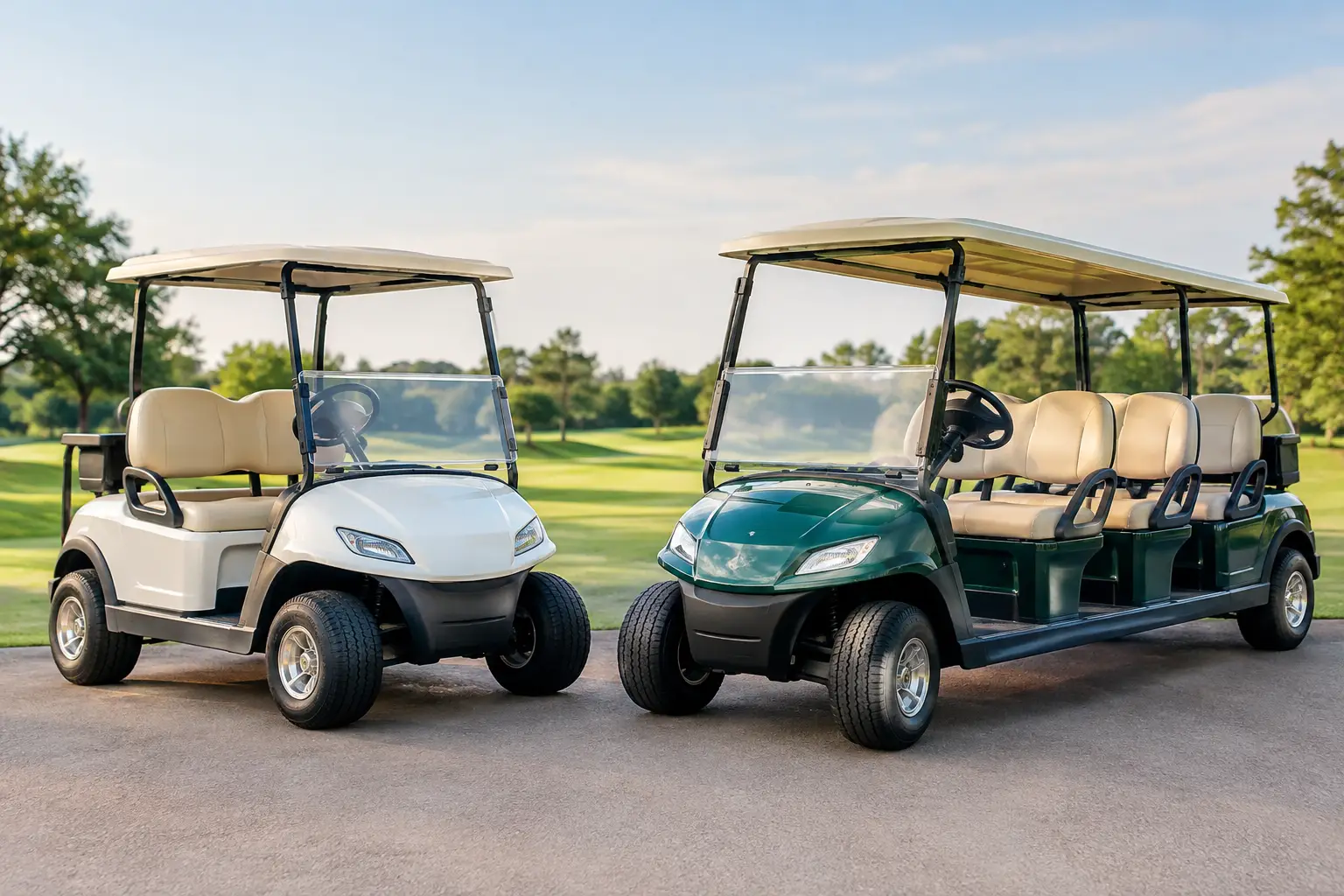
A cart may look perfect on the showroom floor until everyone tries to climb aboard with beach bags, groceries, a cooler, and a family dog. The four passenger versus six passenger decision is less about picking the bigger cart and more about choosing a vehicle that fits the way your family actually moves through the neighborhood, resort community, campground, or golf course.
For many buyers, a four-passenger model delivers the sweet spot of comfort and maneuverability. For others, the extra row in a six-passenger cart quickly becomes the feature they use most. Here is how to make the choice with confidence.
Four Passenger Versus Six Passenger: Start With Your Real Routine
Think about the trips you expect to take most often, not just the occasional holiday gathering. A couple heading to dinner, neighbors making a quick run to the pool, or grandparents taking two grandkids for an afternoon ride may find a four-passenger cart is exactly right. It is compact enough for easy parking and storage while still offering room for a small group.
A six-passenger cart is built for households where the back seats will see regular use. If you have three or four children, frequently host friends, transport visiting family, or use your cart for community events, that third row prevents someone from being left behind. It can also eliminate the need to take two vehicles for short local trips.
The practical question is simple: How often will you carry more than four people? If the honest answer is once or twice a year, buying around that rare situation may not be necessary. If it happens every weekend, a six-passenger layout can make ownership substantially more enjoyable.
Why a Four-Passenger Cart Works So Well
Four-passenger golf carts are popular because they feel balanced. They provide family-friendly seating without becoming overly long or cumbersome in a garage, driveway, or tight neighborhood turn. For homeowners who want an elevated personal transportation vehicle for daily errands, evening rides, and casual entertaining, this format is often the most natural fit.
Easier parking, storage, and handling
A shorter wheelbase generally makes a four-passenger cart easier to maneuver around parked cars, gates, and garage corners. That matters in established neighborhoods with narrow driveways or limited storage space. It also tends to feel more familiar to first-time cart owners who want confident, relaxed handling.
The smaller footprint can be helpful when trailering the cart to a lake house, vacation property, or campground. You still need to confirm the dimensions and towing capacity for your specific setup, but a shorter vehicle often gives owners more flexibility.
More room for cargo than you might expect
Many four-passenger designs use a rear-facing second seat that can convert into a cargo deck. That is valuable for hauling landscaping supplies, sports gear, shopping bags, or a cooler for a neighborhood gathering. If your cart will carry tools and cargo as often as people, a convertible rear seat may offer more versatility than a permanently installed third row.
This is one area where the right configuration matters as much as passenger count. A cart with premium seats, a well-designed rear deck, storage compartments, and useful accessories can serve everyday life better than a larger cart chosen only for its seating capacity.
A smart choice for couples and small families
Retirees, couples, and families with one or two children often find that four seats cover nearly every regular outing. The cart remains social and welcoming without requiring the added length, weight, and parking space of a six-passenger vehicle.
That does not mean four-passenger carts are the lower-end option. Many premium models offer upgraded suspension, stylish seating, LED lighting, touchscreen displays, Bluetooth audio, and street-oriented equipment. You can prioritize comfort and personality while keeping the vehicle compact.
When Six Passenger Seating Is Worth It
A six-passenger golf cart changes the experience for larger households. Instead of deciding who rides, parents can load the family, bring friends along, and still enjoy the convenience of one vehicle. It is particularly appealing in Texas and Florida communities where neighborhood cart travel becomes part of everyday leisure.
The third row earns its place on busy days
Six seats are useful when your cart is a gathering vehicle. Think birthday parties, pool days, block events, holiday lights tours, school drop-offs within approved communities, or rides from one neighbor’s home to another. More seating also makes it easier to accommodate a grandparent, visiting relatives, or children who want to invite friends.
For buyers who routinely use every seat, the larger cart does not feel excessive. It feels like the vehicle they should have bought from the beginning.
Comfort depends on design, not the seat count alone
Do not assume every six-passenger layout offers the same comfort. Look closely at legroom in all three rows, step-in height, seat cushioning, grab handles, roof coverage, and the placement of cup holders. A well-designed six-passenger cart should make rear-row riders feel included, not tucked into an afterthought.
Suspension deserves special attention. More passengers mean more weight, so a quality suspension setup can make a noticeable difference in ride quality. This is especially true on uneven pavement, brick paths, gravel drives, or long community routes. A test drive with your usual passengers is one of the best ways to judge whether a model feels composed when fully occupied.
The trade-offs: length, weight, and cargo flexibility
The added seating comes with real compromises. Six-passenger carts are longer, which can make garage fit, turning, and trailering more complicated. They may also be heavier, and their fixed third row can limit open cargo space compared with a four-passenger cart with a convertible rear seat.
Before choosing one, measure your garage from front to back and account for space to walk around the cart, charge it, and open any doors or storage areas. If you plan to use a trailer, verify that the cart’s loaded weight and overall dimensions fit your equipment. These simple checks can prevent a premium purchase from becoming an inconvenient fit at home.
Look Beyond Seating Capacity
Passenger count is only one part of choosing an electric cart. The better question is whether the entire vehicle supports your lifestyle for years to come.
Battery type and range should match the distance you expect to travel between charges. Lithium battery systems are a popular choice for buyers who value lighter weight, efficient charging, and low-maintenance ownership, while other battery options may suit different budgets and usage patterns. Ask about the expected range with passengers aboard, not only ideal conditions with a single driver.
You should also consider where you will drive. Local regulations vary widely on golf cart and low-speed vehicle use, including requirements for registration, lighting, speed, insurance, and approved roads. A dealership team can help you understand the equipment options, but owners should confirm the rules that apply in their own community.
Finally, think about service after delivery. A cart is more enjoyable when you have dependable help for inspections, maintenance, tire care, battery questions, and repairs. Warranty coverage, trained technicians, and transparent guidance matter just as much as a sharp paint color or premium sound system.
How to Choose the Right Size With Confidence
If your cart will mostly carry one to four people, a four-passenger model is likely the practical, polished choice. It gives you comfortable group seating, easier storage, and often more adaptable cargo options. Choose six passengers when the extra row will be used regularly enough that leaving it out would limit how your family enjoys the cart.
When possible, bring the people who will ride most often to your test drive. Have everyone sit in their usual position, check entry and exit, and picture a real outing with bags or a cooler aboard. At Oasis Carts, that kind of hands-on comparison helps buyers move beyond specifications and choose a cart that feels right from the driver’s seat.
The best cart is not necessarily the one with the most seats. It is the one that makes your ordinary rides easier, your weekend plans more inviting, and your next trip around the neighborhood feel like the best part of the day.