
Golf Cart Battery Technology Trends to Watch
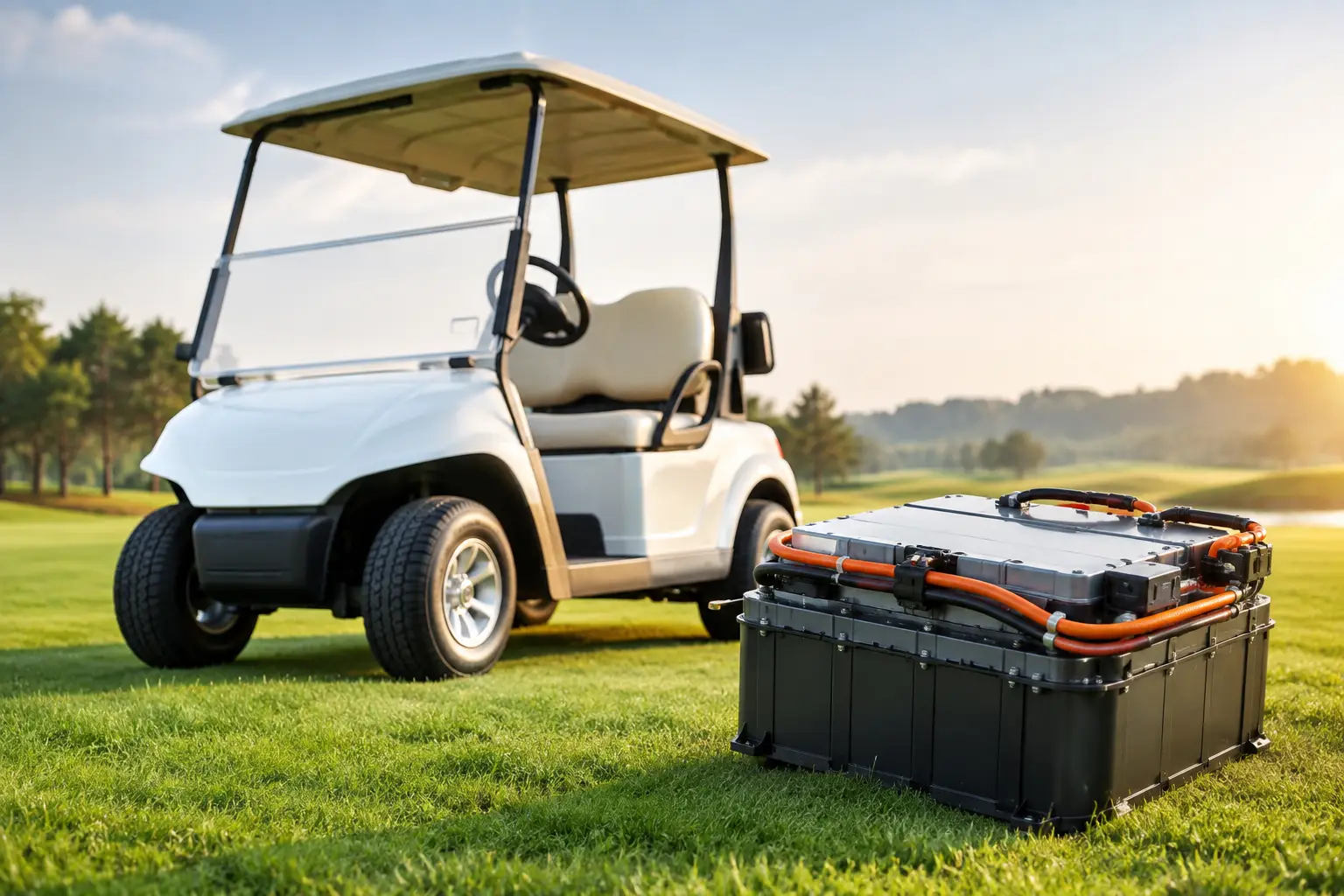
A cart that easily handles school drop-off, an evening cruise, and a full day around the community is not defined by its paint color or seat package alone. Its battery system sets the pace. The most meaningful golf cart battery technology trends are giving families and recreational owners more usable range, faster charging, simpler maintenance, and better visibility into how their cart is performing.
For buyers comparing premium electric carts, the goal is not to chase the newest specification. It is to choose a battery system that matches how, where, and how often you plan to drive. A lithium battery can be a major upgrade for a frequent neighborhood driver, while a well-maintained lead-acid setup may still make practical sense for a lighter-use cart and a tighter upfront budget.
Golf Cart Battery Technology Trends Changing Ownership
The biggest change in the electric cart market is the continued move from traditional flooded lead-acid batteries to lithium-ion systems. Lithium is no longer reserved for a small group of early adopters. It is becoming a common consideration for buyers who want a polished ownership experience with less maintenance attached.
That shift is about more than advertised range. A lithium-equipped cart typically holds voltage more consistently as it discharges, which can help the cart feel more responsive later in a drive. It also weighs substantially less than a comparable bank of lead-acid batteries. Less battery weight can support more efficient performance and reduce the load carried by the suspension, tires, and brakes.
Still, the best option depends on the vehicle and the owner. A battery upgrade should be compatible with the cart's controller, charger, wiring, and intended use. An experienced dealership or service team can confirm that the entire electrical system is working together as designed rather than treating the battery as an isolated add-on.
Lithium Iron Phosphate Is Earning Buyer Confidence
Not all lithium batteries are built with the same chemistry. Lithium iron phosphate, often called LiFePO4 or LFP, has become a particularly attractive option in personal electric vehicles because it balances cycle life, thermal stability, and dependable everyday performance.
For owners, that usually translates to a battery designed for many charge cycles with no need to add water, equalize cells, or clean acid-related corrosion from terminals. LFP batteries are also valued for their stable chemistry, although safe operation still depends on quality construction, proper installation, the correct charger, and following the manufacturer's charging guidance.
The trade-off is cost. Lithium carts or lithium conversions often cost more upfront than comparable lead-acid setups. For drivers who use their cart several times a week, the reduced maintenance and longer service life can make that investment easier to justify. For a cart that only sees occasional seasonal use, the financial case may look different.
Smarter Battery Management Systems Are Becoming Standard
A modern lithium battery includes a battery management system, commonly called a BMS. Think of it as the system's built-in supervisor. It monitors cell voltage, temperature, charging, and discharge behavior to help protect the battery from operating outside its intended limits.
This technology is improving the ownership experience in practical ways. Some systems communicate useful information through a dash display, app, or Bluetooth-enabled monitor, allowing owners to see state of charge and, in some cases, battery health or error alerts. That visibility can reduce guesswork. Instead of wondering whether a cart has enough power for a trip to the clubhouse or a neighborhood event, you can make a decision with clearer information.
Not every display presents data the same way, so buyers should ask what the cart actually shows. State of charge is useful, but it is not the same as a guaranteed remaining-mile estimate. Hills, passenger weight, tire pressure, speed, accessories, and weather all affect real-world range.
Faster Charging Without Guesswork
Charging convenience is another reason battery technology matters. Lithium systems generally accept a charge more efficiently than lead-acid batteries and do not require the same lengthy finishing charge process. Many owners can plug in after an afternoon outing and have the cart ready again in a shorter window.
Faster is not always better if the charging equipment is mismatched. Every battery should use a charger approved for its voltage and chemistry. Using an old lead-acid charger on a lithium conversion without confirming compatibility can shorten battery life or create avoidable faults. Quality lithium packages may include onboard charging or integrated safeguards, but owners should still use properly rated outlets and avoid damaged cords or improvised extension setups.
Home charging is also becoming more straightforward. Most personal golf carts can charge from a standard household outlet, making electric ownership especially appealing for garage-kept vehicles. If your household has multiple EVs, heavy garage loads, or an older electrical panel, it is wise to have a qualified electrician assess the setup before adding another regular charging load.
Range Is Becoming More Useful, Not Just Longer
Battery marketing often focuses on maximum range, but usable range is what matters to a family deciding whether a cart fits their lifestyle. The right setup should comfortably cover your normal driving day without routinely running the battery to empty.
A neighborhood cart used for short trips may not need the largest battery package available. On the other hand, buyers who travel across a large master-planned community, carry four to six passengers, use hills regularly, or add accessories such as sound systems and lights should plan for more energy capacity. The same cart can deliver noticeably different range depending on how it is used.
Temperature is part of the equation, too. Texas heat can place extra demands on any battery system. Battery management, shade, proper charging habits, and keeping the cart in good mechanical condition all support dependable performance. Cold weather can temporarily reduce available range as well, which matters for owners who use their carts year-round outside warmer climates.
Lead-Acid Batteries Still Have a Place
The rise of lithium does not mean lead-acid batteries are obsolete. Flooded lead-acid batteries remain familiar, widely serviceable, and less expensive at the point of purchase. They can be a sensible choice for owners who understand the maintenance routine and use their cart within a modest range requirement.
That routine matters. Lead-acid batteries need regular water-level checks with distilled water, clean terminals, complete charging cycles, and proper storage care. Letting them sit discharged or neglecting water levels can shorten their life quickly. They are also heavier and tend to lose more performance as their charge drops.
For many premium-cart shoppers, the real comparison is convenience versus initial price. Lithium reduces hands-on battery care and can offer strong long-term value. Lead-acid lowers the entry cost but asks more from the owner over time. Neither choice is automatically right for every driveway.
What to Ask Before You Buy
Battery specifications can sound technical, but a few straightforward questions can help you compare carts with confidence. Ask about the battery chemistry, voltage, usable capacity, expected charging time, warranty coverage, and whether the charger is matched to the system. You should also ask what routine care is required and whether trained technicians can inspect or service the electrical system after the sale.
It is equally useful to describe your real driving habits. Mention how many passengers you carry, whether your route includes hills, how far you expect to travel in a typical day, and whether the cart will sit unused for weeks at a time. Those details are more valuable than simply asking for the cart with the biggest battery.
At Oasis Carts, matching a customer with the right electric cart starts with those practical ownership questions. A stylish vehicle should also feel dependable when it is time to load the family, head to the pool, or take the long way home.
Better Batteries Support Better Cart Design
As battery systems become lighter and more integrated, manufacturers have more flexibility in vehicle design. Weight savings can support passenger comfort, storage, ride quality, and accessory options without asking the cart to carry an oversized battery bank. That does not mean every feature is free from an energy standpoint. Lift kits, larger tires, extra lighting, heated accessories, and powerful audio systems can all influence range.
The smartest approach is to build the cart around your lifestyle, then select the battery system that supports it. A golf-focused cart, a family neighborhood vehicle, and a resort-style six-passenger cart may have very different energy needs even if they look equally premium in a showroom.
Before choosing a cart, take a realistic test drive, review the battery warranty in plain language, and picture your normal week behind the wheel. The right battery technology should make your adventures feel easier to plan, not harder to manage.