
Golf Cart Leasing Versus Financing Compared
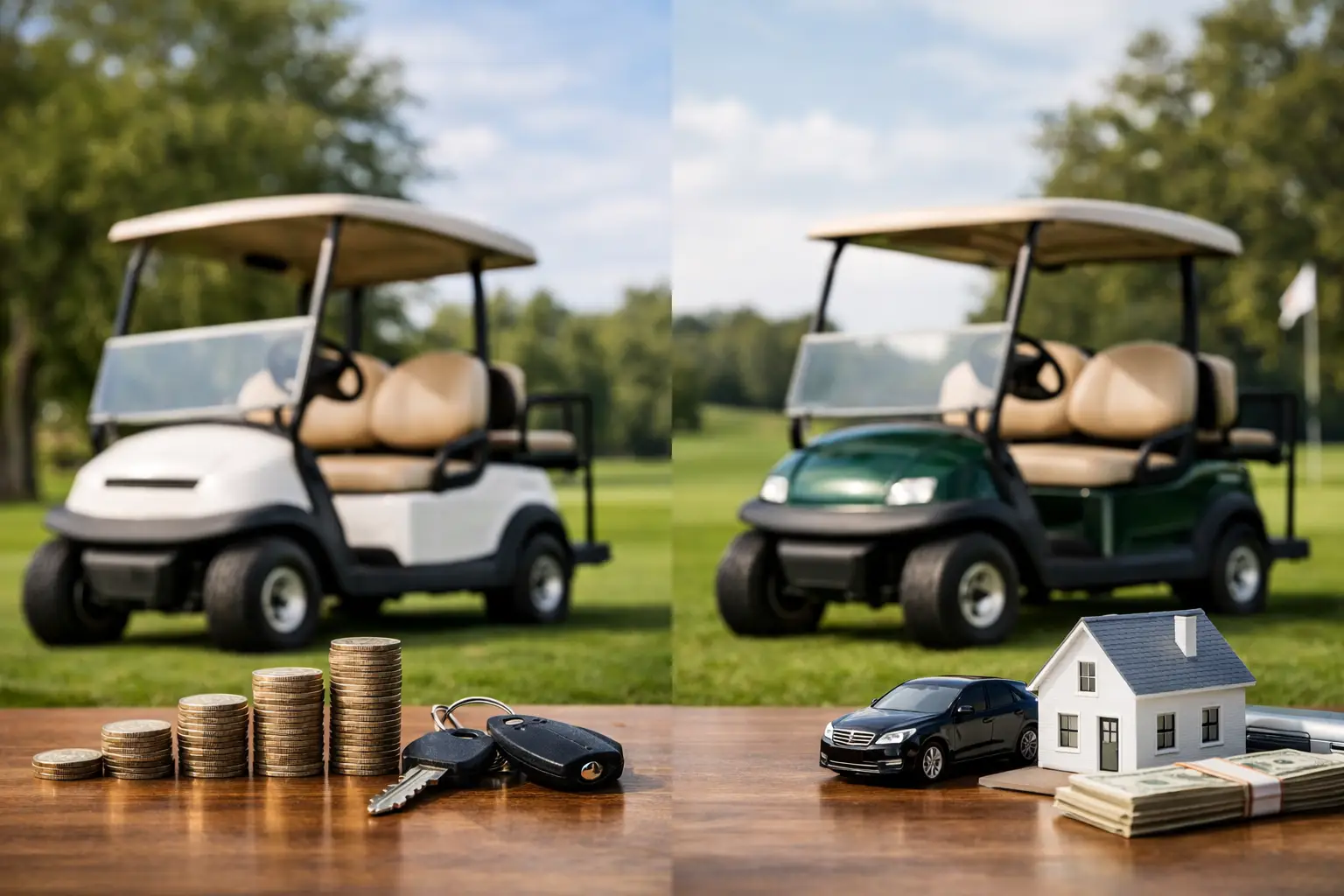
A premium electric cart can change the rhythm of a weekend - school drop-offs in the neighborhood, sunset rides with the family, a quicker trip to the clubhouse, or an easy way to get around a large property. But before choosing colors, seats, and accessories, most buyers face a practical question: golf cart leasing versus financing - which payment path makes more sense?
The answer depends less on the cart itself and more on how you plan to use it, how long you expect to keep it, and what matters most to your budget. Leasing can offer a lower-commitment way to enjoy a newer vehicle. Financing is usually the clearer route for buyers who want to make the cart their own and enjoy it for years.
Golf Cart Leasing Versus Financing: The Core Difference
With a lease, you pay to use a golf cart for a defined term, often with a set monthly payment. At the end of that term, you generally return the cart, purchase it for a predetermined amount if the agreement allows, or move into another vehicle. You are paying for the portion of value used during the lease, rather than the entire purchase price.
With financing, you borrow funds to purchase the cart and repay that loan over time. Once the loan is paid off, you own the vehicle outright. You can keep it, customize it, sell it, or trade it when the time feels right.
That ownership difference shapes nearly every other consideration. A lease favors flexibility and shorter ownership cycles. Financing favors long-term value, control, and the freedom to treat the cart as part of your lifestyle rather than a temporary arrangement.
When Leasing Can Be the Better Fit
Leasing is worth considering when you prefer predictable short-term costs and like the idea of changing vehicles every few years. For example, a seasonal resident, a buyer trying an electric cart lifestyle for the first time, or someone who wants the latest comfort and technology features without committing for many years may appreciate a lease structure.
Monthly lease payments can be lower than loan payments for the same cart because you are not paying down the full purchase price. That can leave room in the budget for a higher-trim model with upgraded seating, larger wheels, a premium sound system, or other features that make every ride more enjoyable.
A lease may also simplify the transition to a newer model. Electric cart features continue to evolve, from battery technology and onboard displays to lighting packages and street-ready equipment. If having the newest model is a priority, a lease can reduce the need to sell or trade a cart yourself later.
Still, leasing is not automatically the less expensive option. You need to examine the full agreement, including the term, upfront payment, payment amount, mileage or usage restrictions, maintenance responsibilities, excess wear charges, and end-of-lease purchase option. Golf cart lease availability and terms vary by dealer, lender, state, and vehicle type, so it is wise to ask for every cost in writing.
Leasing Works Best for Shorter-Term Flexibility
Leasing tends to fit buyers who value convenience over long-term equity. It can make sense if you know your needs may change soon, such as moving to a different community, spending only part of the year at a second home, or wanting to test whether a personal electric vehicle will become part of your regular routine.
It is less attractive if you expect heavy use. Neighborhood rides, golf outings, events, and family trips can add up quickly. Restrictions on usage, condition, or modifications may feel limiting when the cart is central to your daily life.
Why Financing Appeals to Most Lifestyle Buyers
Financing is often the more natural choice for families, homeowners, retirees, and recreational buyers who expect to use their cart regularly for several years. You build equity with each payment, and once the loan is paid off, you can continue enjoying the cart without a monthly loan payment.
Ownership also gives you more freedom. Want to add a rear seat kit, custom wheels, a lifted suspension, a cooler, storage accessories, or a personalized color scheme? Financing generally gives you the flexibility to make the cart reflect your family and your community. Any modifications should be completed professionally and with safety, warranty requirements, and local rules in mind.
Financing can also be appealing because quality electric carts can retain meaningful value when maintained well. A clean, properly serviced cart with desirable features can be easier to trade or sell than an older vehicle with neglected batteries, worn tires, or cosmetic damage. Although resale value is never guaranteed, ownership gives you the opportunity to benefit from it.
Financing Requires a Longer View
The trade-off is that financed monthly payments may be higher than lease payments, particularly if you choose a shorter loan term or add a substantial number of accessories. You are responsible for the full purchase price, interest, insurance if required, maintenance, and repairs after any applicable warranty coverage ends.
That said, a longer loan term may lower the monthly payment. Just be careful not to focus only on that number. Longer terms can mean more interest paid overall, and buyers should make sure their payment is comfortable alongside insurance, charging costs, maintenance, and any other household priorities.
For buyers who plan to keep a cart well beyond the loan period, financing often delivers the better long-term value. The question is not simply, “What is the lowest payment?” It is, “What will this cart cost and provide over the years we expect to use it?”
Compare These Costs Before You Decide
Whether you are offered a lease, a loan, or both, compare the agreements on the same terms. A monthly payment alone does not tell the full story. Review the cash price of the cart, down payment, loan or lease term, interest rate or money factor, total of payments, taxes, registration, insurance requirements, and any fees due at signing or at the end of the agreement.
For leasing, pay special attention to conditions that can create surprise charges. Ask how usage is measured, what counts as excessive wear, whether custom accessories are permitted, who handles routine service, and what happens if you want to end the lease early. A cart that spends its life on smooth neighborhood streets will wear differently than one used frequently on paths, acreage, or uneven terrain.
For financing, ask whether there is a prepayment penalty, how the warranty works, what maintenance is recommended for the battery system, and whether your chosen accessories are included in the financed amount. A transparent dealership should be comfortable walking through the numbers at your pace, with no pressure to rush a decision.
Think About Your Ownership Style, Not Just Your Payment
Picture your cart three years from now. If you see yourself wanting a new model with fresh features and do not mind returning the current one, leasing may align with your preferences. If you see a cart that has become part of family routines, holiday gatherings, golf days, and neighborhood life, financing is likely the stronger fit.
Your local environment matters, too. In Texas communities where a cart is used often for visiting neighbors, running short errands where permitted, or getting around the property, ownership can be especially appealing. Frequent use makes the freedom to customize, maintain, and keep the cart on your own schedule more valuable.
There is also a middle ground for buyers who want flexibility without a formal lease. Financing a cart with a manageable term, keeping it in excellent condition, and trading it when your needs change can provide an ownership experience with a future upgrade path. It is not identical to leasing, but it may offer the control many buyers want.
A Confident Next Step
The right payment plan should support the way you want to live with your cart, not force you into a vehicle or term that feels uncomfortable. Before signing, take a test drive, review the complete payment breakdown, and ask how service, warranty coverage, and future trade-in possibilities fit into the picture. At Oasis Carts, that conversation should feel as comfortable as the ride itself - clear, practical, and centered on finding a premium electric cart ready for your next adventure.