
How to Choose Golf Cart Seating Smartly
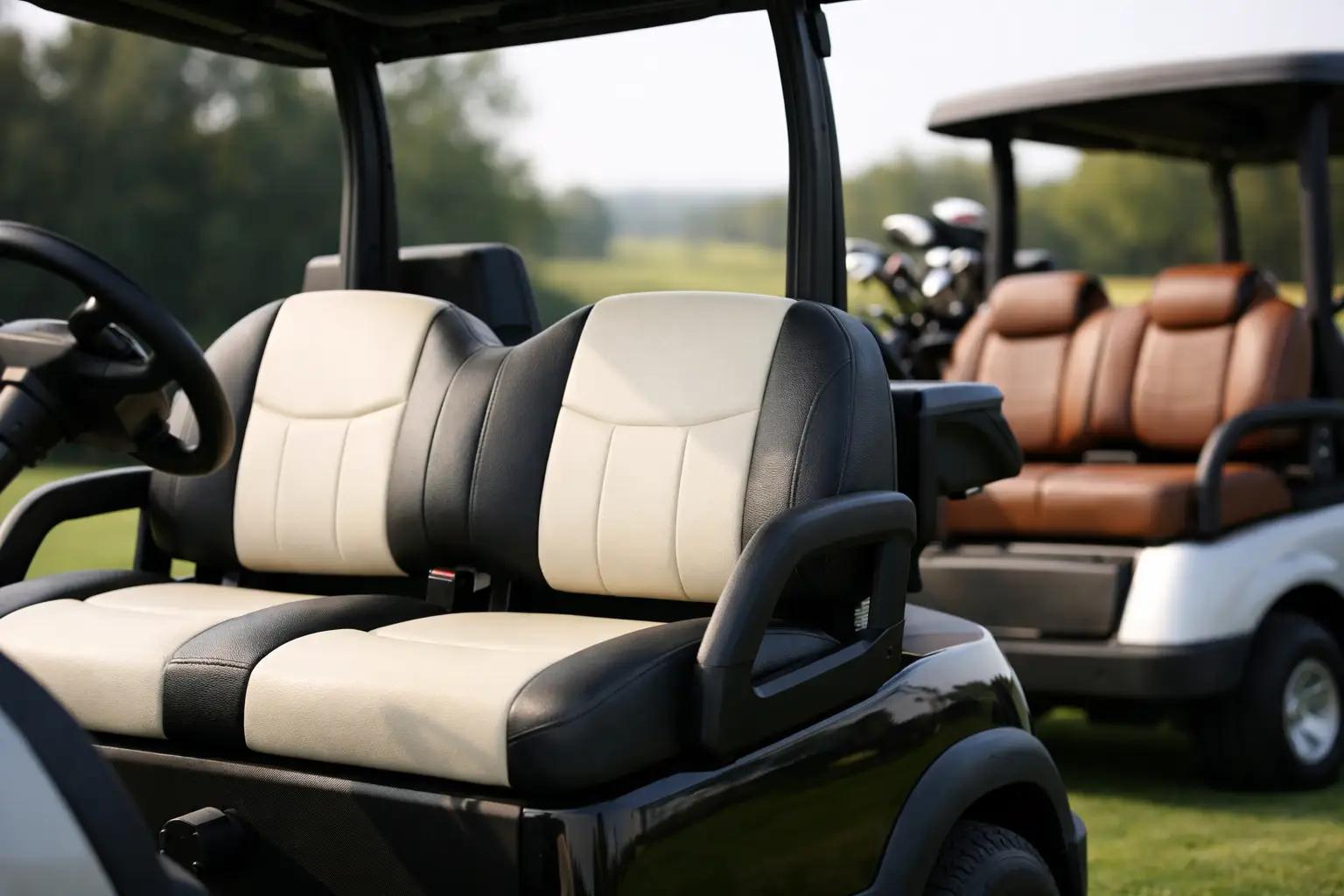
The wrong seat setup shows up fast. You notice it when kids are squeezed into the back, when getting in feels awkward for older riders, or when a quick neighborhood trip turns into everyone shifting around trying to get comfortable. If you're wondering how to choose golf cart seating, the best answer starts with how you actually plan to use the cart - not just how many seats look good on a spec sheet.
For most buyers, seating is where comfort, safety, and daily convenience all meet. A cart might have great styling, strong battery performance, and all the right upgrades, but if the seating layout doesn't fit your household, you'll feel that mismatch every time you drive it. The right choice makes the cart easier to use, more enjoyable to own, and a better long-term fit for your lifestyle.
Start with who will ride most often
The first question is simple: who is this cart really for? A retired couple using it for neighborhood drives has different seating needs than a family using it for school pickup, pool runs, and weekend events. Golfers who want a cart for the course may care more about front-seat comfort and storage access, while community and recreational buyers usually need easy passenger seating and room for a mix of adults, kids, and gear.
This is why a two-passenger cart is not automatically the "smarter" or more efficient option, and a six-passenger cart is not always the best upgrade. More seats can give you flexibility, but they also change the cart's size, turning radius, storage options, and the way it feels to drive. If most of your trips involve two people, a larger layout can be unnecessary. On the other hand, if you regularly have visiting grandkids, neighbors, or friends along for the ride, buying too small often leads to regret.
A good rule is to buy for your real routine, not the occasional holiday weekend. If you need extra seating every day or every week, plan for it. If it happens a few times a year, you may not want to shape your whole purchase around those rare moments.
How to choose golf cart seating by layout
Seat count matters, but layout matters just as much. Two carts can both claim to seat four, yet the ownership experience can feel completely different.
A traditional two-passenger layout works well for golf-focused use and for buyers who want a compact, easy-to-park cart. It keeps things simple and often leaves more room for rear cargo or utility use. For couples and solo drivers, this can be the cleanest fit.
A four-passenger layout is often the sweet spot for neighborhood and family use. It gives you a front bench and a rear-facing second row, which is practical for short local trips, community events, and riding with children or guests. Many buyers find this setup offers the best balance between everyday usability and manageable size.
A six-passenger layout is ideal for larger families and highly social households, but it comes with trade-offs. These carts are longer, can feel less nimble in tighter spaces, and may require more thought around parking and storage. The benefit is obvious if you consistently fill those seats. If not, the extra length can become more of a compromise than a luxury.
Comfort is more than cushion depth
When people shop seating, they often focus on whether the cushions look plush. That matters, but comfort goes beyond softness. Seat height, back support, legroom, and ease of entry all make a major difference.
If older adults will ride often, look closely at how easy it is to step in and out. A stylish seat can still be a poor fit if riders have to twist or climb awkwardly. Families should also think about how children sit and how secure they feel, especially on rear-facing seats. You want a layout that feels stable and natural, not like an afterthought.
Seat width also matters. Some carts technically fit the advertised number of passengers, but the space can feel tight with full-size adults. If your typical passengers include taller riders or if you simply want a more relaxed feel, test the seat dimensions with real-world comfort in mind.
Premium seating usually earns its value over time. Better foam, stronger support, and higher-quality upholstery hold their shape longer and feel better on every ride. That's especially true in warm climates where carts see frequent use year-round.
Material choice affects ownership more than most buyers expect
If you want to know how to choose golf cart seating for long-term satisfaction, pay close attention to materials. Upholstery is not just about looks. It affects durability, cleaning, heat retention, and how well the cart holds up after months of sun, humidity, and regular use.
Marine-grade vinyl is a popular choice because it handles weather and cleaning well. For many buyers, it's the most practical option. It resists moisture better than lower-grade materials and is usually easier to wipe down after snacks, wet swimsuits, or everyday dust and pollen.
Textured or upgraded premium seat materials can add a more refined look, but ask how they perform in your environment. In Texas and Florida, sun exposure and heat are not minor details. Darker colors may look sharp, but they can also get hotter when parked outdoors. Lighter upholstery can stay more comfortable, though it may show dirt faster.
There is no universal best material. The right choice depends on where the cart will live, how often it will be cleaned, and whether you prioritize easy maintenance or a more custom luxury finish.
Think about safety with the same attention you give style
A beautiful seat setup is only a good choice if it supports safe riding. Passenger seating should feel secure, stable, and appropriate for the cart's intended use. Rear seats need proper foot support and a layout that allows riders to sit naturally without feeling exposed or cramped.
This is especially important for families. A cart used around the neighborhood often becomes part of daily life very quickly, which means passengers stop thinking of it as a special recreational vehicle and start treating it like casual transportation. That comfort is great, but it also means your seating choice should encourage better rider habits from the start.
Look at grab handles, arm support where applicable, footrest design, and the overall spacing between rows. If a cart is built well, seating should feel integrated into the vehicle's design rather than added on to increase passenger count.
Match the seating to the kind of driving you do
A cart used for short, flat neighborhood rides may not need the same seating priorities as one used across larger master-planned communities, resort properties, or private land. The longer the ride, the more details like back angle, foam density, and legroom begin to matter.
If your typical use involves frequent stops, such as visiting neighbors or running around the community, easy entry and exit becomes a top priority. If you expect longer cruises with family and guests, sustained comfort becomes more important than quick access alone.
Lifestyle also shapes the decision. Some buyers want a clean, upscale look for social use and entertaining. Others care most about durability because the cart will see kids, pets, sports gear, and constant traffic. Both are valid. The best seating setup is the one that fits your version of everyday ownership.
Custom style is worth it when it supports the way you use the cart
Seat color, stitching, and finish are often where buyers get excited, and for good reason. Seating has a huge impact on the overall personality of the cart. It can make the vehicle feel sporty, refined, classic, or family-friendly.
That said, style works best when it follows function. A white or very light seat can look fantastic in a showroom, but if your cart will be used after baseball practice, beach trips, or weekend cookouts, you may prefer a finish that hides wear a little better. Bold custom colors can be a great choice if you're building a cart that reflects your taste, but neutral tones tend to age well and appeal to more buyers if resale ever matters.
This is where an experienced dealership adds real value. Seeing materials in person, sitting in different layouts, and talking through how the cart will be used usually leads to a better decision than choosing based on photos alone.
When to go bigger and when to keep it simple
Many buyers are tempted to size up on seating because it feels like the safer bet. Sometimes it is. If your household regularly uses the extra room, more seating can make the cart dramatically more useful.
But bigger is not automatically better. A longer cart changes handling, storage, and the overall footprint. If you have limited garage space or want something easy to move around tighter neighborhood streets, a smaller configuration may deliver a better ownership experience.
The smartest choice usually lands between ambition and realism. Choose enough seating for the life you actually live, with just enough flexibility for the way you entertain, travel locally, and bring people along.
If you're shopping carefully, the best seat in the showroom is not always the right one. The right one is the setup that feels comfortable on day one and still feels right after a year of everyday use.