
How to Maintain Cart Batteries
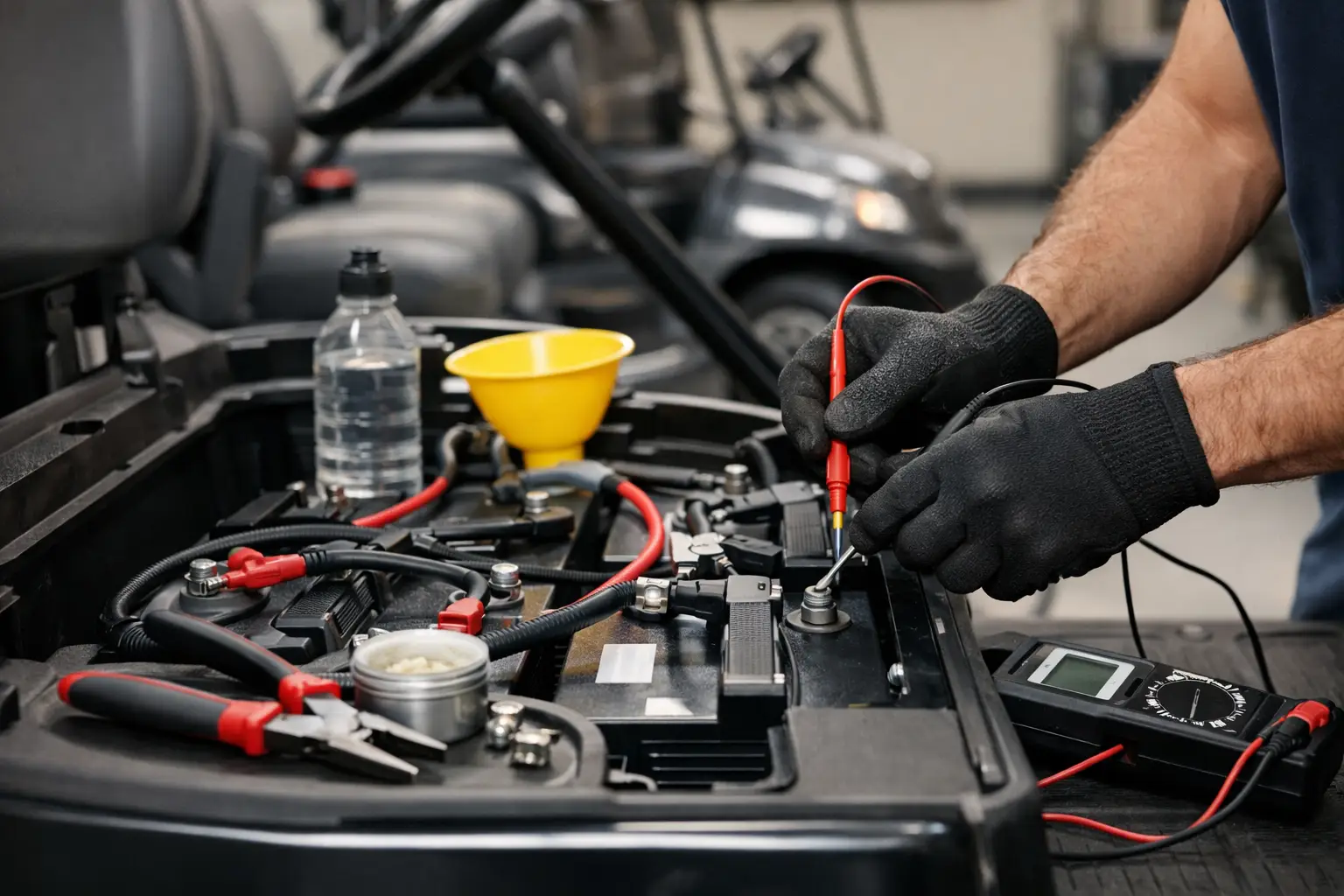
A cart that feels a little slower, loses range sooner, or struggles after sitting for a week is usually telling you the same thing - the batteries need attention. If you own an electric cart for neighborhood rides, family trips, or weekend recreation, learning how to maintain cart batteries is one of the smartest ways to protect performance and avoid early replacement.
Battery care does not need to be complicated. What matters is consistency. A few simple habits can add real life to your battery pack, keep your cart more reliable, and help you get the smooth, quiet ride you expected when you bought it.
Why battery maintenance matters more than most owners realize
The battery pack is one of the hardest-working parts of an electric cart. It powers acceleration, climbing ability, range, and overall drivability. When batteries are neglected, the cart may still run for a while, but performance usually drops before owners realize what is happening.
That is why good battery care is not just about preventing failure. It is about maintaining the everyday experience. A well-maintained pack gives you more dependable starts, steadier power, and fewer frustrating surprises when you are heading to the pool, the clubhouse, or a neighborhood event.
There is also a financial side to it. Replacing cart batteries is a meaningful ownership cost, especially on premium personal transportation vehicles. Proper maintenance helps you get the full value from the batteries you already have.
How to maintain cart batteries the right way
The best approach starts with understanding what type of battery system your cart uses. Most owners will have either flooded lead-acid batteries or lithium batteries, and the maintenance needs are not exactly the same.
Flooded lead-acid batteries require more hands-on care. They need proper charging, routine water checks, and clean terminals. Lithium batteries are much lower maintenance, but they still benefit from correct charging habits, temperature awareness, and long-term storage planning.
If you are not sure which battery type your cart has, check the owner documentation or ask a qualified cart technician before doing any service. Using the wrong maintenance routine can create problems instead of preventing them.
Charge after use, not after the battery is deeply drained
One of the most common mistakes owners make is waiting too long to recharge. Electric cart batteries prefer regular charging. Letting them sit in a low-charge state can shorten battery life and reduce performance over time.
For most household and recreational use, it is best to charge the cart after each day of use, even if you did not fully deplete the pack. That is especially true for lead-acid batteries. Shallow, consistent charging is usually better than repeatedly running the pack very low.
This is one area where usage matters. If you only take short rides a couple of times a week, you may not need a full charging cycle every day. But you do want to avoid parking the cart for extended periods with a weak battery. If your cart has a manufacturer-recommended charging routine, follow that first.
Use the correct charger every time
Not all chargers are interchangeable. The voltage, charging profile, and battery chemistry need to match your specific cart and battery setup. Using the wrong charger can lead to undercharging, overcharging, excess heat, or long-term battery damage.
A factory-approved or dealer-recommended charger is usually the safest choice. If you upgrade batteries or replace part of the system, confirm that the charger still matches the setup. This is especially important when converting from lead-acid to lithium.
It is also worth paying attention to the charger itself. Damaged cables, corroded connectors, or a charger that cuts on and off unexpectedly may point to a charger issue rather than a battery issue.
Keep batteries clean and connections tight
Battery performance depends on strong electrical connections. Dirt, corrosion, and loose terminals can interfere with charging and power delivery, even when the batteries themselves are still in decent shape.
Take a look at the battery compartment regularly. If you notice corrosion around the terminals, buildup on the cables, or excess dirt and moisture, it is time for cleaning. Always turn the cart off and follow safety precautions before touching the battery area.
For many owners, a gentle cleaning routine is enough. Wipe away dirt, inspect the cables, and make sure the hold-downs and terminal connections are secure. If there is visible corrosion, it should be cleaned carefully and correctly. If you are not comfortable doing that work yourself, this is a good service item to leave to trained technicians.
For lead-acid batteries, check water levels routinely
If your cart uses flooded lead-acid batteries, water level checks are not optional. These batteries lose water during normal charging cycles, and low water levels can damage the internal plates.
The key is checking levels on a regular schedule and topping off only with distilled water when needed. Tap water can introduce minerals that reduce battery performance. In most cases, water should be added after charging, not before, because charging changes the electrolyte level.
This is a good example of why battery care depends on battery type. If you have sealed batteries or lithium batteries, this step does not apply. Adding water to the wrong battery type can cause serious damage.
Avoid heat, long idle periods, and bad storage habits
Batteries do not love extremes. High heat is especially hard on cart batteries and can speed up wear. In hot states like Texas and Florida, where many owners use carts year-round, storage conditions matter more than people expect.
If possible, park your cart in a garage or shaded area rather than in direct sun all day. Heat buildup inside a closed storage space can also be rough on battery life, so ventilation helps. You are not trying to create a perfect climate-controlled environment, just a more battery-friendly one.
Long idle periods are another issue. If the cart will sit for several weeks, do not simply park it and forget it. Batteries naturally lose charge over time, and extended neglect can lead to a pack that is hard to recover.
How to maintain cart batteries during storage
Storage care depends on the season and your battery type, but the principle is simple: store the cart with the batteries at an appropriate charge level and check on them periodically.
For lead-acid batteries, fully charging before storage is usually the right move, along with disconnecting parasitic draws if recommended by the manufacturer. For lithium, storage guidance may differ slightly depending on the battery management system. Some lithium setups prefer being stored at a partial charge rather than at 100 percent for long periods.
This is one of those areas where generic advice can fall short. If you use your cart seasonally or leave it at a second home, it is worth getting model-specific storage instructions so you do not lose battery life during the off-season.
Watch for the early signs of battery trouble
Most battery failures are not sudden. There are usually warning signs first. The cart may feel sluggish on hills, need charging more often, lose speed late in the ride, or show inconsistent run time from one outing to the next.
You might also notice that the charger runs much longer than usual, or that one battery looks different from the others because of swelling, leaks, or heavy corrosion. In a multi-battery pack, one weak battery can affect the whole system.
When those signs appear, early service usually pays off. Testing voltage, checking individual battery health, and inspecting cables can help identify whether the issue is maintenance-related, charger-related, or a sign that replacement is approaching.
Maintenance looks different for every owner
A family using a cart every evening in the neighborhood will have different battery needs than a retiree using it lightly a few times a week. A lifted cart with added accessories, upgraded wheels, sound systems, or extra lighting may also put more demand on the battery pack.
That is why there is no single calendar that works for everyone. Heavy use means more frequent checks. Hotter climates call for more attention to storage and charging conditions. Older lead-acid packs usually need closer monitoring than newer lithium systems.
For many owners, the best plan is a mix of simple weekly habits and occasional professional inspection. That gives you the convenience of easy day-to-day care without guessing when something more technical needs attention.
When professional battery service makes sense
There is a point where battery care moves beyond routine upkeep. If your cart is losing noticeable range, charging inconsistently, or showing repeated electrical issues, professional service can save time and prevent misdiagnosis.
A qualified service team can test the batteries under load, evaluate charger performance, inspect cables and terminals, and help you decide whether maintenance, repair, or battery replacement makes the most sense. That kind of guidance is especially valuable if you own a premium cart and want to protect both performance and long-term value.
For owners who want confidence without trial and error, service support is part of smarter ownership. Oasis Carts works with customers who want that balance - a premium cart lifestyle backed by clear maintenance guidance and dependable support after the sale.
Good battery habits are not glamorous, but they make every ride better. A little attention in the garage means more confidence on the street, more range when you need it, and more time enjoying the cart instead of troubleshooting it.