
How to Prepare a Cart for Storage in 8 Steps
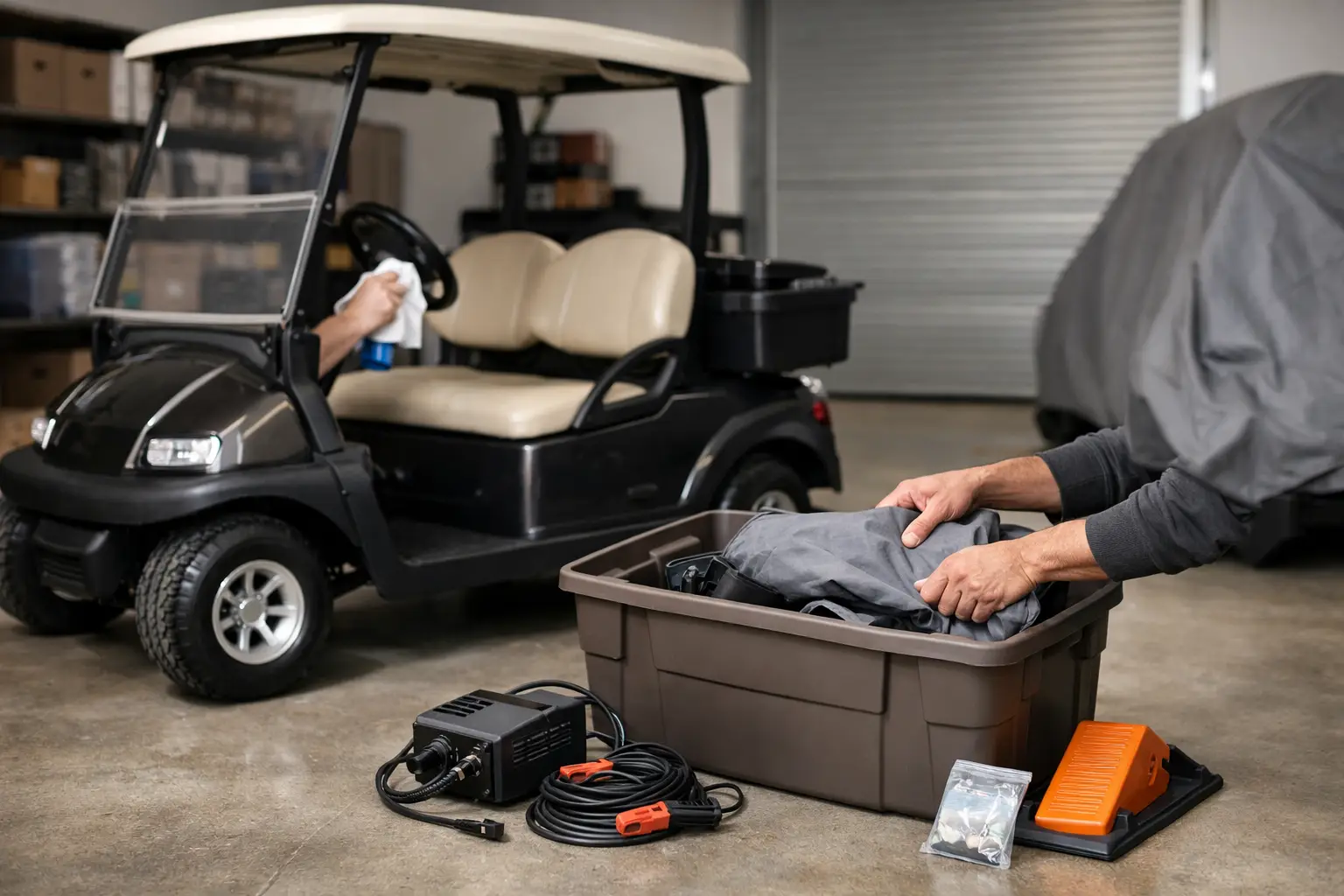
A cart that sits for a few months can come back with a weak battery pack, flat-spotted tires, stale debris under the seats, and unexpected repair needs. Knowing how to prepare cart for storage protects the investment you use for neighborhood rides, family outings, golf, and weekend fun. A little attention before the keys go away can make the first ride of the next season much more enjoyable.
How to Prepare a Cart for Storage Before You Park It
Storage preparation begins with a clean, dry cart and a realistic plan for how long it will be parked. A few weeks in a garage is different from an entire off-season in a humid shed or outdoor enclosure. The longer the cart sits, the more important battery care, tire support, pest prevention, and moisture control become.
Choose a covered location whenever possible. A dry garage is ideal because it limits sun exposure, rain, temperature swings, and theft risk. If indoor storage is not available, use a quality, breathable cart cover and park on a firm, level surface. Avoid wrapping the cart in a non-breathable tarp, which can trap condensation against the body panels, seats, and electrical components.
Before storing, give the cart one final short drive. Listen for unusual noises, verify the brakes feel consistent, and make note of any warning lights or changes in performance. It is easier to schedule service before storage than to discover an issue when you are ready to ride again.
1. Clean the Exterior, Interior, and Undercarriage
Dirt is not just cosmetic. Mud, grass clippings, road dust, spilled drinks, and salty residue can hold moisture against the cart and create odors, stains, or corrosion over time.
Wash the exterior with a gentle automotive-safe cleaner, then dry it thoroughly with clean towels. Pay attention to wheel wells, the lower frame, the roof supports, and areas around accessories such as light kits, mirrors, and rear seats. Do not spray high-pressure water directly into the charging port, battery compartment, dashboard, or electrical connections.
Inside the cart, remove trash, floor mats, towels, snacks, and any personal items. Vacuum debris from the floor and seat seams. Wipe down the seats and dash with products appropriate for vinyl and plastic. Leaving food, gum, or even a forgotten drink can attract insects and rodents during storage.
2. Give the Battery System the Right Level of Attention
Your battery type determines the best storage routine. This is the most critical part of preparing an electric cart because an improperly stored battery can lose capacity, fail to charge correctly, or have a shorter service life.
For traditional flooded lead-acid batteries, make sure the pack is fully charged before storage. Check water levels after charging, not before, and add only distilled water if the level is low. Do not overfill the cells. Clean corrosion from terminals using an approved battery cleaner, and confirm the cables are secure.
Many newer premium carts use lithium batteries. Lithium packs generally require less maintenance and hold their charge better than lead-acid batteries, but they still need proper storage. Follow the battery manufacturer’s recommended state of charge and charging schedule. Some lithium systems should be left partially charged rather than continuously connected to a charger, especially during extended storage.
Do not assume every charger should remain plugged in all winter. Smart chargers may have a maintenance mode that makes this appropriate, while other systems should be checked and charged at intervals. Your owner’s manual and battery manufacturer guidance should always take priority. If you are unsure which setup your cart has, a trained technician can verify the correct procedure before storage.
3. Turn Off Accessories and Reduce Parasitic Draw
Modern electric carts often include more than headlights and a horn. Bluetooth speakers, lift kits, underbody lighting, cameras, USB ports, cooling fans, and aftermarket electronics can slowly draw power even when the cart is not being used.
Turn off all lights and accessories, remove devices from USB ports, and make sure the key is in the off position. If your cart has a run/tow switch, set it according to the manufacturer’s storage instructions. For a cart with a battery disconnect, use it only if the manual recommends it for your particular battery and controller system.
This small step helps preserve the battery pack and reduces the chance of returning to a cart that will not wake up or charge as expected.
4. Protect Tires, Brakes, and Suspension
Tires slowly lose pressure while parked, and a cart left in one position for a long period can develop flat spots. Inflate each tire to the pressure listed on the tire sidewall or the cart manufacturer’s recommendation. Do not overinflate tires simply because the cart will be stored.
For storage lasting several months, consider placing the cart on jack stands designed for its weight and positioned at approved lifting points. This can take pressure off the tires and suspension. If you prefer to keep it on the ground, move the cart slightly every few weeks when practical.
Avoid leaving the parking brake engaged for long storage periods unless your manufacturer specifically instructs otherwise. In some conditions, extended engagement can contribute to sticking brake components. Park on level ground, chock the wheels if needed, and use the parking brake only as appropriate for the location and cart design.
5. Keep Moisture, Heat, and Sun Off the Cart
Texas and Florida owners know that heat and humidity can be as hard on a cart as cold weather. Prolonged sun exposure fades body panels, dries out seat material, and raises temperatures inside the dash and battery area. Moisture can also create mildew, corrosion, and electrical issues.
A covered, ventilated space offers the best protection. If you use a cover, choose one fitted for golf carts and made from breathable material. Secure it without cinching it so tightly that air cannot circulate. In humid environments, moisture absorbers can help inside the seating area, but they should be checked periodically and kept away from wiring and batteries.
If your storage area is prone to leaks or flooding, do not park directly on bare soil or in the lowest part of the garage. A raised, dry surface protects the undercarriage and keeps moisture from lingering around tires and frame components.
6. Prevent Rodent and Pest Damage
Rodents are drawn to quiet storage spaces, and they can chew wiring, upholstery, seat foam, and insulation. Before covering the cart, inspect the garage or shed for obvious entry points, nesting material, or droppings.
Remove anything that might attract pests, including food, wrappers, pet treats, and fabric items. Keep the storage space tidy and avoid leaving cardboard boxes directly around the cart. If pest activity is common in your area, use suitable deterrents around the storage space, not on the cart’s electrical components or battery compartment.
A quick inspection every few weeks can catch a problem before a small nest becomes a wiring repair.
7. Secure the Cart and Store the Keys Separately
A premium electric cart deserves the same security mindset as any other vehicle. Take the keys inside, lock the storage area, and keep registration, insurance, and warranty documents in a safe place. If the cart is stored outside, consider a wheel lock, steering wheel lock, or other visible deterrent in addition to a secure cover.
For carts equipped with GPS tracking or connected features, verify that the system is functioning before the cart is parked. Security is especially valuable for neighborhood carts stored in driveways, carports, or shared community areas.
8. Check the Cart During Extended Storage
A stored cart should not be forgotten entirely. For storage beyond a month, create a simple calendar reminder to inspect it. Look for moisture under the cover, tire pressure loss, pest activity, corrosion, and battery charger status. Lead-acid batteries may require more frequent checks than lithium systems.
When it is time to bring the cart back into service, remove the cover, inspect the tires and cables, and charge the battery system according to its requirements. Test lights, horn, brakes, steering, and accelerator response in a safe area before heading out with family or guests.
If you notice corrosion, low battery performance, brake concerns, or damage from storage, address it before your next outing. Oasis Carts technicians can help owners get their electric cart checked, charged, and ready for the road again. Thoughtful storage keeps your cart looking sharp, performing confidently, and ready whenever the next adventure calls.