
How to Prepare Golf Cart Storage the Right Way
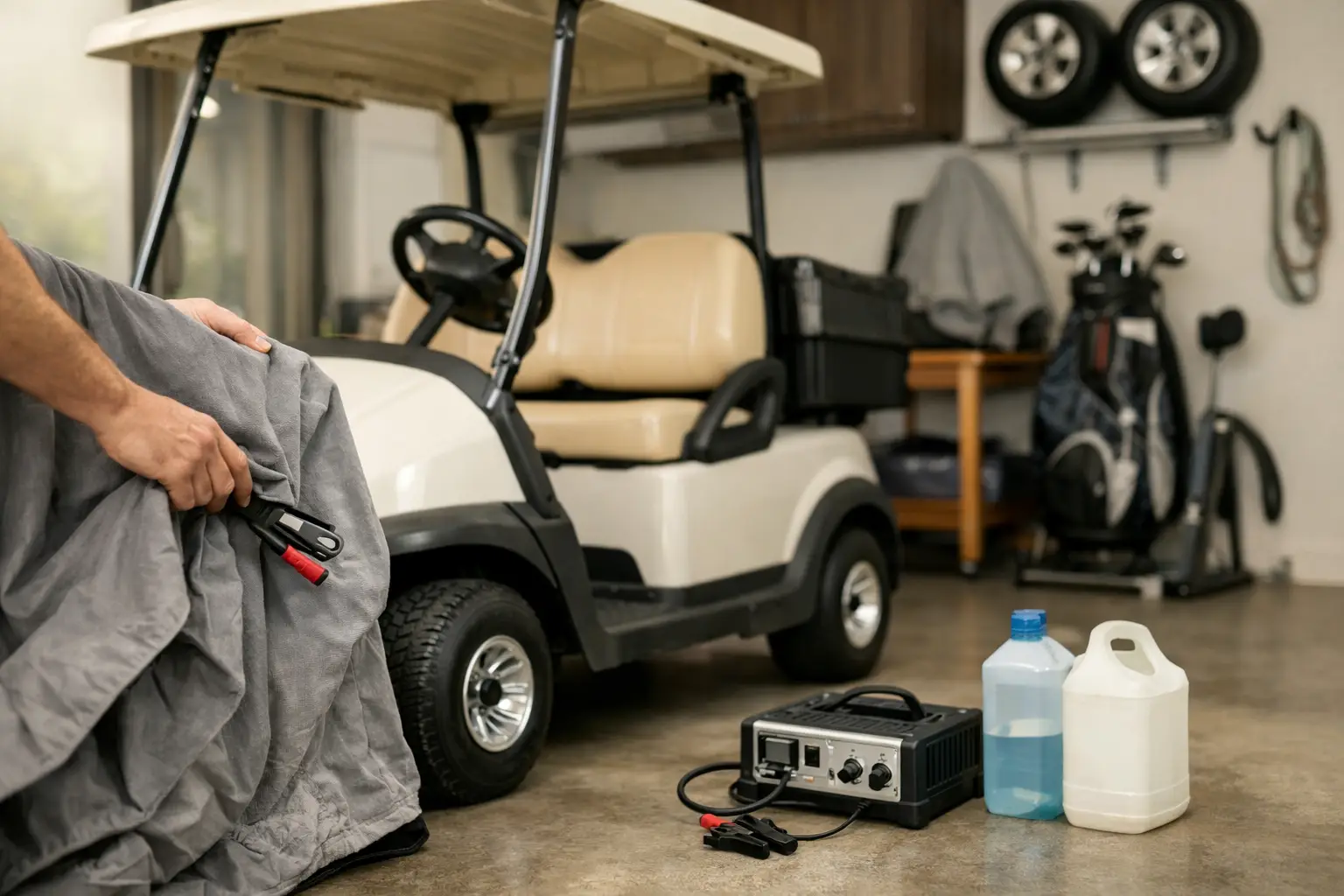
A golf cart that sits for a few weeks can be ready for the next neighborhood cruise with minimal attention. A cart stored through a cold winter, a long summer trip, or an off-season at a second home needs a more deliberate plan. Knowing how to prepare golf cart storage helps protect the battery system, preserve the finish, and prevent small maintenance issues from becoming costly service appointments.
Whether your cart is your family’s favorite way to get around the neighborhood or a polished addition to weekends at the course, proper storage is part of confident long-term ownership. The goal is simple: park it clean, powered correctly, protected from the elements, and ready to enjoy when it is time to drive again.
Start With a Clean, Dry Cart
Do not cover a dirty cart and hope for the best. Dust, pollen, road grime, salt air, and spilled drinks can leave stains or contribute to corrosion when they sit against painted surfaces, trim, and hardware for months.
Wash the body, wheels, roof, and undercarriage with products appropriate for your cart’s finishes. Wipe down seats, cup holders, dash surfaces, and storage compartments. If your cart has floor mats, remove them to shake out debris and let both the mats and floor dry completely.
Pay special attention to the battery compartment. Leaves, dirt, and moisture around the batteries can create problems over time. Use a dry cloth or soft brush to remove loose debris, but avoid spraying water directly into electrical components.
Once everything is clean, let the cart air-dry before covering or parking it in an enclosed space. Trapped moisture is rarely visible on day one, but it can lead to mildew, musty upholstery, surface corrosion, and cloudy windshields over time.
Choose a Storage Space That Protects More Than the Paint
A dry garage is usually the best place to store an electric golf cart. It shields the vehicle from UV exposure, rain, windblown debris, and temperature swings. If you have the choice, avoid parking directly on damp soil, grass, or gravel for an extended period. A concrete floor is preferable, and a breathable barrier beneath the cart can add protection in humid areas.
Covered storage is still worthwhile if a garage is not available, but it requires a few extra precautions. Choose a level, well-drained area away from sprinklers and standing water. A fitted, breathable golf cart cover can protect the body and seats while allowing moisture to escape. Avoid using a basic plastic tarp directly against the cart. It can trap condensation and rub against the finish when the wind moves it.
In Texas and Florida, heat and humidity can be as hard on a cart as freezing temperatures are in northern states. Ventilation matters. A closed shed that gets excessively hot can accelerate wear on upholstery, plastics, and battery components, especially during a long storage period.
Prepare the Battery System for the Right Storage Period
The battery system deserves the most attention because storage guidance varies by battery type and duration. Modern lithium batteries and traditional flooded lead-acid batteries do not follow the same maintenance routine. If you are unsure what powers your cart, check the owner’s manual or ask a trained technician before making changes.
For lithium battery golf carts
Lithium-equipped carts generally require less hands-on maintenance, but they should not be forgotten. For storage longer than a few weeks, follow the battery manufacturer’s recommended state of charge. Many lithium systems are best stored partially charged rather than left at 100 percent for months.
Some carts include a battery disconnect switch, while others have a storage or transport mode. Use only the procedure specified for your vehicle. Leaving a lithium cart connected to a charger indefinitely may be appropriate for some systems and unnecessary for others, so the manual matters here.
For flooded lead-acid battery golf carts
Flooded lead-acid batteries typically need a full charge before storage. Check water levels only after charging, and use distilled water if the cells need topping off. Do not overfill them. The electrolyte level should cover the plates, with room left for expansion.
Lead-acid batteries naturally discharge over time. For seasonal storage, a quality charger or maintainer designed for golf cart batteries can keep them from falling into a deeply discharged state. Never assume an automotive trickle charger is suitable for your cart’s voltage and battery configuration.
A practical rule for every cart
Do not store an electric cart with a weak or depleted battery. Deep discharge can shorten battery life and leave you with an unwelcome surprise when the season changes. If your cart has shown reduced range, slow charging, warning lights, or corrosion around terminals, arrange service before putting it away rather than waiting until you are ready to drive.
Protect Tires, Brakes, and Moving Components
Tires lose pressure slowly, even when a cart is not moving. Inflate them to the manufacturer’s recommended pressure before storage, then inspect them again before your first drive. Underinflated tires can develop flat spots or place unnecessary stress on the sidewalls during a long stay in one position.
For storage lasting several months, moving the cart occasionally can help prevent tire flat spots. Some owners prefer to place their cart on approved jack stands, but this should only be done with proper lifting points and stable equipment. If there is any question, keeping the cart on the ground with correctly inflated tires is the safer choice.
Set the parking brake only if your manufacturer recommends it for storage. On some vehicles, leaving the brake engaged for a long time can contribute to sticking or binding. If you park on a level surface, wheel chocks may be a better solution. Place the cart in its recommended parked position and remove the key.
A light inspection before storage is also worthwhile. Look for loose hardware, unusual tire wear, fluid leaks on applicable components, damaged cables, or squeaks that were easy to ignore during regular use. Small issues are easier to address before they become interruptions to your next family outing.
Remove What Does Not Belong in the Cart
Empty personal items from glove boxes, under-seat compartments, coolers, and rear storage areas. Food, sunscreen, drink containers, towels, and electronics should not spend a season inside a closed cart. Even a sealed drink can leak in high heat, and a forgotten snack can attract pests.
Take out removable chargers or accessories if your storage area is vulnerable to moisture, pests, or unauthorized access. If your cart has a removable key, keep it somewhere secure and easy to remember. It is also smart to make sure your insurance information and vehicle records are stored safely away from the cart.
Keep Security in the Plan
Golf carts are lifestyle vehicles, but they are still valuable electric vehicles that deserve thoughtful security. Lock the storage building when possible, remove the key, and consider a steering wheel lock or wheel clamp if the cart will be stored in an open carport or shared community space.
If your cart includes a lockable enclosure, use it for protection from weather and casual access, but do not treat a soft enclosure as your only theft deterrent. A well-lit area, visible security cameras, and a secured structure provide much stronger protection.
Check In During Long-Term Storage
A quick monthly check can prevent most storage-related surprises. Look for moisture under the cover, pest activity, low tires, warning lights, or a charger that has stopped operating as expected. For lead-acid carts, inspect battery condition and charging status according to the battery manufacturer’s schedule.
Before returning the cart to service, remove the cover and inspect it in daylight. Check tire pressure, brake operation, lights, steering response, battery charge, and all visible wiring. Take a short, low-speed test drive before loading passengers or heading out for a longer ride.
If anything feels different, from reduced range to a brake that drags, let a qualified golf cart technician take a look. Oasis Carts can help owners protect the investment behind their elevated golf cart lifestyle with knowledgeable maintenance and repair support.
A little preparation makes storage feel less like putting your cart away and more like preserving the next adventure. When the keys come back out, your cart should be clean, secure, properly charged, and ready to carry you wherever the day leads.