
How to Winterize Golf Cart the Right Way
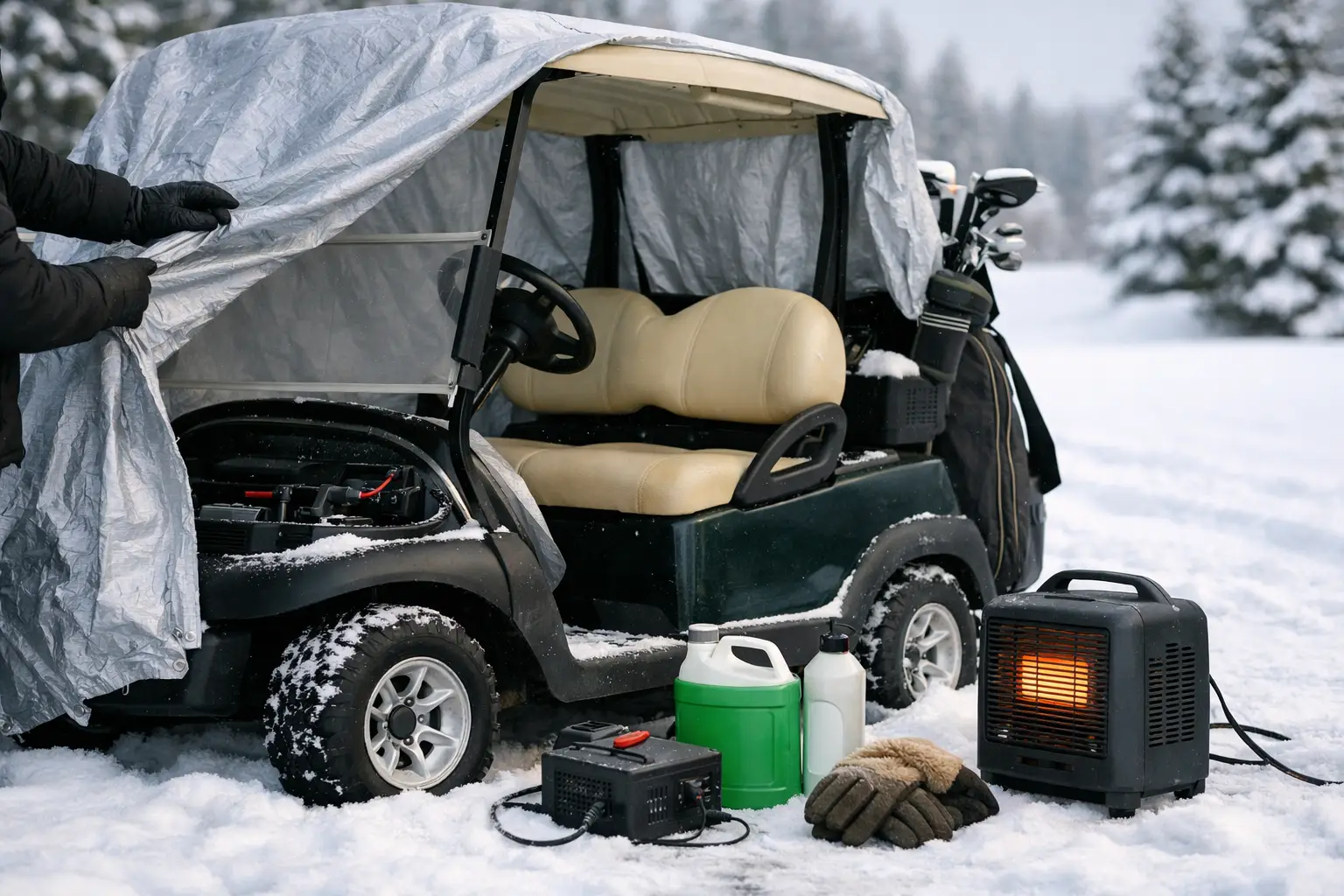
A golf cart that ran perfectly in July can feel surprisingly tired by the time spring rolls around if it spends winter parked without the right prep. If you're wondering how to winterize golf cart performance, battery life, and overall reliability, the goal is simple: protect the cart now so it starts strong later.
For most owners, winterizing is less about complicated mechanical work and more about preventing small problems from turning into expensive ones. Low battery charge, dirty terminals, flat-spotted tires, moisture buildup, and neglected components can all shorten the life of a premium cart. A little attention before storage keeps your cart looking better, running better, and holding its value longer.
Why winter storage matters more than most owners think
Electric golf carts are built for convenience, but they still need seasonal care. Cold weather slows battery performance, and long periods of sitting can be hard on both lead-acid and lithium systems if the cart is stored incorrectly. Even in warmer states, winter often means less use, which creates the same issue - the cart sits longer than usual.
That matters because inactivity changes the maintenance equation. Tires lose pressure. Batteries discharge. Dust, moisture, and debris settle into places you do not usually think about when the cart is in regular use. If you store it in a garage, barn, or covered patio, the environment helps, but it does not replace proper winter prep.
How to winterize golf cart before storage
Start with a full cleaning. Wash the body, wheels, roof, and undercarriage to remove dirt, grass, and road residue. If leaves or mud stay trapped around the frame or suspension, they can hold moisture for months. After washing, dry the cart thoroughly, especially around metal hardware, battery compartments, and floor mats.
Once it is clean, inspect the cart like you would before a long trip. Look for loose hardware, worn tires, cracked seat vinyl, frayed cables, and anything unusual in the battery area. Winter is a smart time to catch minor issues because repairs are easier to plan when the cart is already out of service.
If your cart has a windshield, canopy, or enclosure, wipe those surfaces down as well. Clear vinyl panels and acrylic windshields tend to age faster when grime sits on them for long stretches. A clean cart goes into storage in better condition and comes out ready for the next season.
Battery care is the most important step
If there is one area you cannot afford to ignore, it is the battery system. For many owners, this is the difference between a cart that wakes up easily in spring and one that needs service right away.
With lead-acid batteries, charge the pack fully before storage. Check water levels only if your battery type requires it, and use distilled water if topping off is needed. Clean any corrosion from terminals and make sure cable connections are secure. After that, the batteries should be maintained according to the manufacturer's storage guidance. Some setups do well with a charger left in maintenance mode, while others should be charged periodically instead. It depends on the charger and battery configuration.
With lithium batteries, the approach is usually simpler, but not identical across brands. Many lithium systems prefer storage at a partial or moderate state of charge rather than sitting at 100 percent for months. Some have a sleep mode or shutoff procedure, and some battery management systems need specific storage settings. If you are unsure, follow the battery manufacturer's recommendations rather than guessing.
In either case, avoid storing the cart with a weak battery. Letting batteries sit discharged through winter is one of the fastest ways to shorten lifespan.
Tires, brakes, and moving parts need attention too
Tires are easy to overlook because they look fine when the cart is parked. Over time, though, pressure drops, and a cart that sits in one position too long can develop flat spots. Inflate the tires to the recommended pressure before storage. If the cart will be parked for an extended period, moving it slightly every few weeks can help, or in some cases using jack stands can reduce long-term tire stress. That said, not every owner needs to lift the cart, especially for shorter storage periods in a climate-controlled garage.
Check that the parking brake is functioning properly, but be cautious about leaving mechanical components under tension for months if your manufacturer advises against it. Some owners prefer to secure the cart and use wheel chocks instead. This is one of those areas where model-specific guidance matters.
Lubricate moving parts if your cart's maintenance schedule calls for it. Steering and suspension components, hinges, and other wear points benefit from being serviced before a long rest, not after they start squeaking in spring.
Choose the right storage setup
The best place to store a golf cart is indoors, clean, dry, and protected from temperature swings. A finished garage is ideal, but a dry storage building or enclosed bay can work well too. If indoor storage is not available, a high-quality fitted cover is the next best option. It should protect the cart from dust and moisture without trapping condensation.
Avoid using a cheap tarp wrapped tightly around the cart. It may seem protective, but it often holds moisture in all the wrong places. That can lead to mildew, corrosion, and stale odors inside the cabin.
If you live in areas that still get regular winter use, your approach may be different. Owners in Texas, for example, may not put the cart away for the entire season. In that case, winterizing may mean reducing usage, keeping the battery maintained, and checking tire pressure more often rather than full long-term storage prep.
Protect electronics and accessories
Modern carts often include more than just lights and a horn. Premium models may have Bluetooth audio, touchscreens, upgraded lighting, USB ports, backup cameras, custom wheels, and enclosed cab features. Those upgrades add enjoyment, but they also mean there is more to protect during storage.
Turn off accessories that could create parasitic drain. If your cart has an onboard screen, sound system, or added electronics, make sure nothing is left powered on. Inspect accessory wiring for any signs of wear or moisture exposure before storage.
It is also smart to remove personal items from the cart. Chargers, bags, towels, portable speakers, and documents should not spend months in a parked vehicle. A clean, empty cart stores better and is easier to inspect later.
A simple winterizing checklist that actually works
Most owners do not need an elaborate process. A reliable routine is enough: clean the cart, fully dry it, charge and prepare the batteries correctly, inspect tires and connections, store it in a dry place, and cover it properly if needed. If your cart uses lead-acid batteries, keep up with water and charge maintenance. If it uses lithium, confirm the right storage charge range and shutoff procedure.
That basic process covers the biggest risk areas without turning seasonal maintenance into a full project weekend.
When to handle it yourself and when to schedule service
Some winter prep is easy for any owner. Cleaning, charging, checking tire pressure, and covering the cart are all manageable if you are comfortable with basic upkeep. But if you have noticed reduced range, charging issues, battery corrosion, brake concerns, or electrical accessories acting up, winter storage is the right time to get ahead of those problems.
A professional inspection can make sense before storing the cart, especially if it is a newer premium model or one you depend on for neighborhood transportation. Trained technicians can test battery health, inspect electrical systems, and spot wear that is not obvious from a quick look in the garage. That is often cheaper and easier than troubleshooting a no-start issue when the weather warms up.
For owners who want their cart to stay in top condition year after year, seasonal service is less about fixing problems and more about protecting the ownership experience. That is especially true when the cart is part of daily family life, community events, or recreational use and you want it ready at a moment's notice.
What to do when spring arrives
Bringing the cart out of storage should be just as deliberate. Check battery charge, inspect the tires, test lights and accessories, and look underneath for any signs of leaks, pests, or corrosion. Wipe the cart down again before use, and take a short test drive to make sure braking, steering, and acceleration feel normal.
If anything seems off, do not push through it. Spring is the best time to address performance concerns before peak riding season starts.
Owning a premium golf cart should feel easy, and seasonal care is a big part of that. The time you spend winterizing now protects performance, appearance, and long-term value, so when warmer days return, your cart is ready for the neighborhood, the course, and every plan in between.