
8 Smart Ways of Improving Golf Cart Range Safely
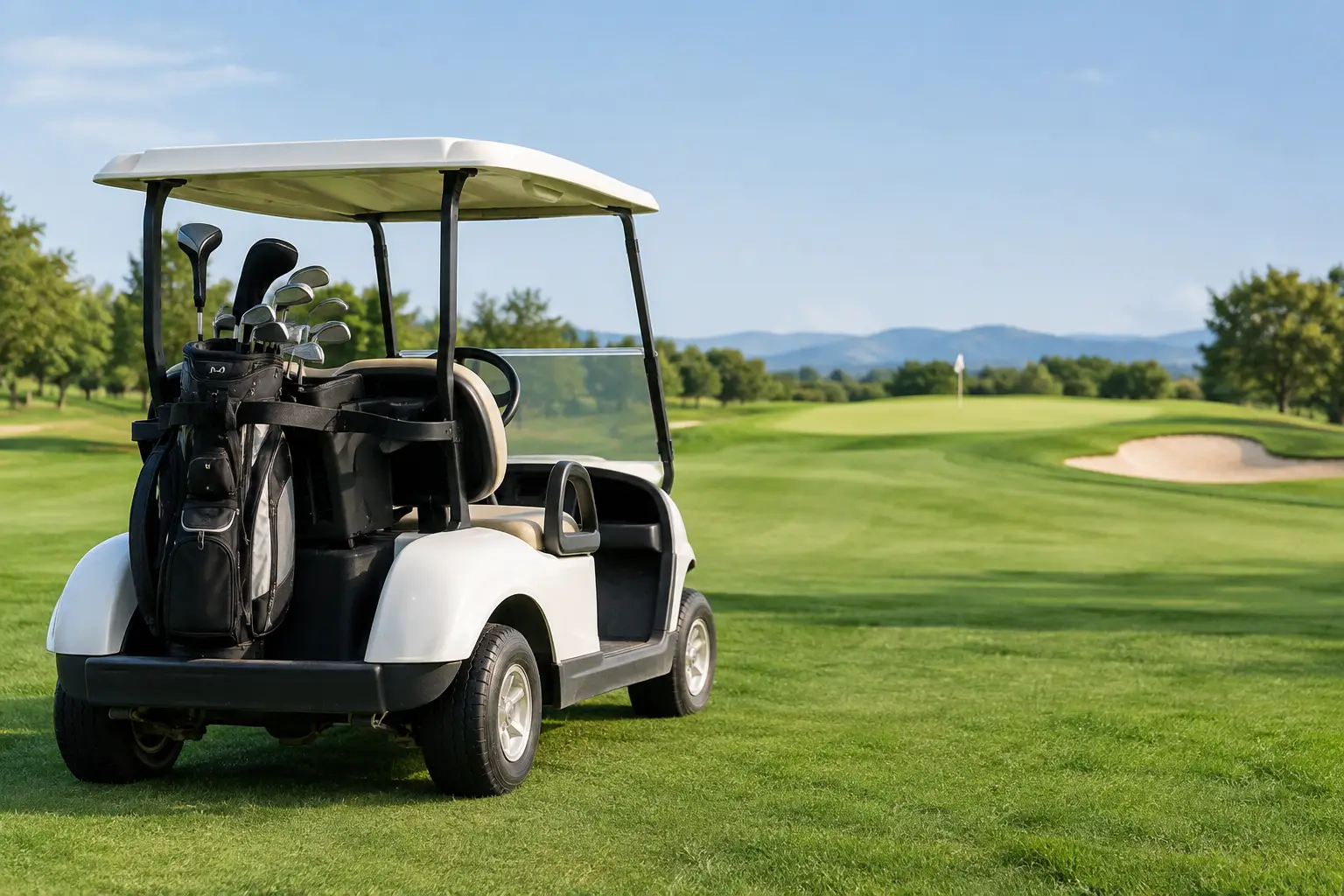
A cart that starts strong at the driveway but fades before the trip home can put a damper on an otherwise perfect afternoon. Improving golf cart range safely is less about chasing a single high-tech upgrade and more about protecting the systems your cart already relies on: its battery pack, charging setup, tires, drivetrain, and brakes.
For families heading to a neighborhood gathering, golfers moving between the clubhouse and home, or owners enjoying a larger property, dependable range creates freedom. The right approach keeps that freedom from coming at the expense of battery life, vehicle control, or warranty coverage.
Start With the Battery System
The battery pack determines how far an electric golf cart can travel, so it deserves attention before any accessory or performance modification. A healthy battery does not simply hold a charge. It delivers power consistently under load, including on hills, with passengers aboard, and late in a drive.
If your cart uses flooded lead-acid batteries, inspect water levels regularly and use only distilled water when topping them off. Fill them after charging, not before, and do not overfill. Corrosion on terminals and loose cable connections can create resistance that wastes energy and may lead to heat buildup. Keep terminals clean, connections secure, and battery compartments dry.
Lithium battery systems generally need less hands-on maintenance, but they still need the right charger, proper storage conditions, and a compatible battery management system. Never assume a charger is interchangeable just because its plug fits. An incorrect charger or charging profile can shorten battery life and create a genuine safety concern.
Battery age matters, too. A cart may appear fully charged while delivering far less usable capacity than it did when new. If range has dropped noticeably, a professional battery and charging-system test is a smarter first move than replacing parts at random.
Make Every Charge Count
A consistent charging routine helps preserve range over the long term. Plug the cart in after use, especially when it has completed a longer drive. Leaving lead-acid batteries partially discharged for extended periods can reduce capacity and contribute to sulfation, a condition that limits their ability to accept and deliver power.
Use a dedicated, properly grounded outlet in a dry location. Avoid damaged extension cords, overloaded circuits, and makeshift charging arrangements. Heat, frayed wiring, and loose plugs are warning signs, not inconveniences to work around.
For seasonal owners, storage habits can make a major difference. Follow the battery manufacturer's guidance for storage charge level and check the cart periodically. In Texas and Florida, high temperatures can accelerate battery wear, so keep the vehicle out of direct sun when possible and never leave charging equipment exposed to rain or standing water.
Improving Golf Cart Range Safely Starts at Ground Level
Tire pressure is one of the simplest range factors to overlook. Underinflated tires increase rolling resistance, meaning the motor has to work harder to move the same cart the same distance. They can also make steering feel heavier, reduce stability, and wear unevenly.
Check tire pressure when the tires are cool and follow the pressure listed by the tire manufacturer or cart manufacturer. Do not inflate beyond the tire's maximum rating in pursuit of better range. Overinflation may reduce rolling resistance slightly, but it can compromise traction, ride comfort, and handling on uneven paths.
While you are there, inspect tread condition and look for cuts, bulges, or objects lodged in the tire. A dragging brake, binding wheel bearing, or poor alignment can also quietly drain range. If the cart pulls to one side, makes unusual noises, or feels resistant when coasting, schedule service before adding more power or capacity.
Reduce Weight and Wind Resistance Where It Makes Sense
Every pound your cart carries requires energy, particularly during stop-and-go neighborhood driving or when climbing grades. Remove unnecessary tools, old cargo, and accessories that are no longer being used. That does not mean stripping away the features that make your cart enjoyable. A rear seat, weather enclosure, cooler, or golf bag setup may be exactly right for your lifestyle.
The goal is to be intentional. A cart used for two adults and light groceries needs a different setup than one regularly carrying four passengers, beach gear, and a full enclosure. If your typical load has changed, your cart's battery capacity and suspension setup may need to change with it.
Accessories also draw energy. Lift kits, larger all-terrain tires, high-output audio systems, added lighting, and powerful heaters can all affect usable range. Premium upgrades can be worthwhile, but they should be selected as part of a complete vehicle plan rather than added one at a time without considering the electrical load.
Drive for Smooth, Predictable Efficiency
Electric carts deliver instant torque, which makes them fun to drive but can also encourage hard acceleration. Smooth starts, steady speed, and gradual braking place less demand on the battery pack than repeated full-throttle launches followed by abrupt stops.
Plan routes with terrain in mind. A hilly route, soft grass, loose gravel, or deep sand can reduce range much faster than level pavement. If you need to travel farther, choose the smoothest practical route and avoid unnecessary detours. On steep descents, use controlled braking rather than coasting at excessive speed. Range is never worth giving up safe control.
Passenger count matters as well. Respect the cart's seating capacity and payload rating. Carrying extra riders may reduce range, but more importantly, it can affect braking distance, steering response, and stability in turns.
Choose Upgrades That Work Together
When maintenance and driving habits are not enough, the right upgrade can make a meaningful difference. For some owners, replacing an aging lead-acid setup with a properly engineered lithium system offers more usable capacity, lower weight, and more consistent performance. Others may benefit from a higher-capacity battery pack, upgraded cables, or a controller and motor package designed for their vehicle.
There are trade-offs. More speed does not automatically mean more range, and larger tires can change the effective gearing of the cart. A modification that feels impressive on a short test drive may increase energy use, strain components, or alter braking behavior over time.
This is where professional guidance earns its place. A trained technician can confirm whether the charger, controller, motor, wiring, solenoid, fuse protection, and battery system are compatible. They can also help protect warranty coverage and ensure the vehicle remains appropriate for its intended use.
Know When a Range Problem Is a Service Problem
A sudden drop in range is not normal wear to ignore. It can point to a weak battery, charger failure, loose connection, corroded cable, brake issue, or electrical fault. Stop using the cart and arrange an inspection if you notice a burning smell, hot cables, swollen batteries, repeated breaker trips, erratic acceleration, or a charger that behaves differently than usual.
Avoid opening sealed batteries, bypassing fuses, or modifying high-voltage wiring yourself. Those shortcuts can damage expensive components and put riders at risk. Oasis Carts can help owners evaluate whether a cart needs routine service, battery replacement, or a carefully matched performance upgrade.
The best range improvement is the one that fits how you actually use your cart. Keep the battery system healthy, maintain the vehicle that carries it, and let qualified service professionals handle changes that affect electrical power or safety. Then the next ride can feel less like a calculation and more like what it should be: an easy way to enjoy where the day takes you.