
Luxury Neighborhood Electric Cart Guide
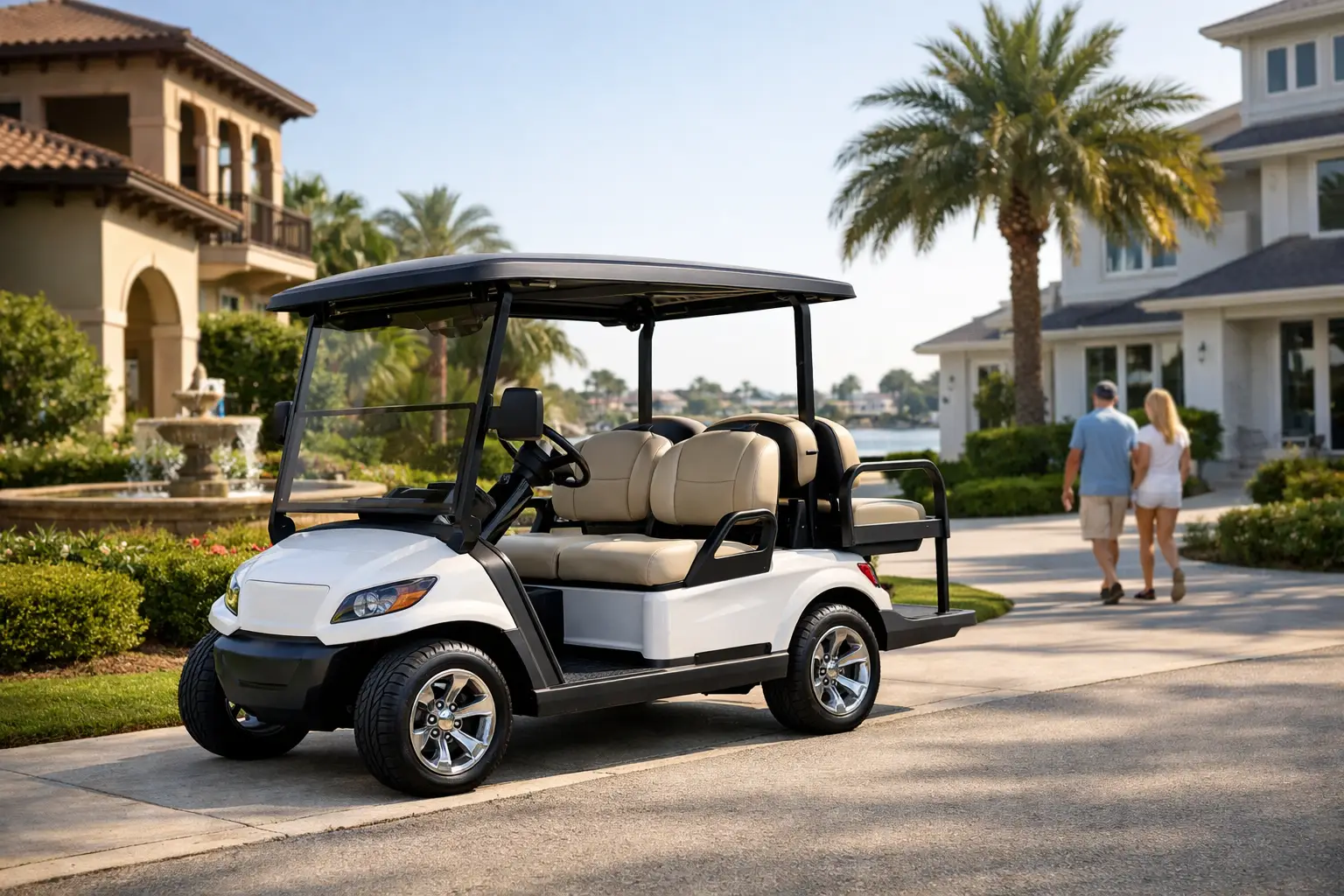
The difference shows up before you even turn the key. A true luxury neighborhood electric cart feels solid when you step in, smooth when you pull away, and thoughtfully designed in all the places owners notice most - seating comfort, ride quality, storage, lighting, and the little details that make everyday use easier.
For many buyers, this is not about replacing a golf cart with something flashier. It is about choosing a better way to move through the neighborhood, get to the clubhouse, visit friends, take the kids to the pool, or enjoy an evening ride without noise, fumes, or compromise. That is why the right cart deserves the same level of consideration you would give any lifestyle vehicle.
What makes a luxury neighborhood electric cart feel different
The word luxury gets used loosely, especially in personal transportation. In this category, it should mean more than upgraded wheels and a polished paint finish. A luxury cart earns that label through a combination of comfort, performance, safety, and ownership confidence.
Ride quality is usually the first separator. Better suspension tuning, stable steering, and a more refined chassis make a noticeable difference on neighborhood streets, paved paths, and uneven community roads. If a cart looks premium but feels bouncy, noisy, or vague in corners, it will lose its appeal quickly after the first few weeks.
Interior comfort matters just as much. Higher-end models often feature more supportive seats, improved legroom, quality materials, rear seating designed for actual passengers rather than occasional use, and intuitive dash layouts. These sound like small things until you start using the cart several times a week. Then they become the reason one vehicle feels like a smart purchase and another feels like a toy.
Power delivery is another major factor. A better electric cart should accelerate smoothly, climb neighborhood grades confidently, and maintain composure with a full load of passengers. This is especially important for families and retirees who want easy, stress-free local transportation, not a vehicle that struggles once it leaves perfectly flat pavement.
How to shop for a luxury neighborhood electric cart
The smartest buyers start with use case, not color. It is tempting to shop based on appearance first, but your daily routine should drive the decision. A couple using a cart for evening rides will have different needs than a family carrying kids, coolers, sports gear, or groceries.
Think about passenger count honestly. If you regularly expect four adults, shop for a purpose-built four-passenger model with proper rear legroom and suspension designed for the load. If you are buying for family outings, school drop-offs inside the neighborhood, or weekend entertaining, six-passenger configurations may make more sense. Buying too small usually leads to regret faster than buying slightly larger.
Then consider where the cart will actually go. Flat master-planned communities place fewer demands on motor output and suspension than areas with hills, rougher pavement, speed bumps, or longer routes between stops. In parts of Texas and Florida, where neighborhood cart use is tied closely to recreation and warm-weather living, comfort in heat, reliability, and battery performance tend to matter more because owners use their carts often and for more of the year.
Features worth paying for and features that are just nice to have
Some upgrades improve the ownership experience every time you drive. Others are mostly aesthetic. Knowing the difference helps you spend wisely.
Premium seats, quality suspension, LED lighting, dependable brakes, street-ready safety features, and a well-integrated digital display are usually worth the money. So are practical touches like lockable storage, USB charging, durable flooring, and weather-conscious enclosures if your community driving continues year-round.
Wheels, color accents, audio systems, and custom trim can absolutely add enjoyment, but they should come after the fundamentals. A beautiful cart with average handling and limited comfort may photograph well in the showroom and disappoint in real life. On the other hand, a well-built model with the right performance package can always be personalized later.
Battery type deserves careful attention too. Many modern premium carts use lithium power, which appeals to buyers who want lower maintenance, consistent performance, and easier long-term ownership. That does not mean every buyer needs the same battery setup. Range expectations, charging habits, budget, and how often the cart is used all affect what makes sense.
Luxury neighborhood electric cart safety matters more than buyers expect
A neighborhood cart may feel casual, but it is still a vehicle carrying people you care about. Safety should be part of the buying conversation from the beginning.
Start with the basics: lights, mirrors, turn signals, seat belts where applicable, and visibility that works well in early morning or evening conditions. A cart used around active communities needs to be easy for others to see and easy for the driver to control. Strong brakes and predictable steering are non-negotiable, especially if younger family members or older drivers will use it.
It also helps to ask how the vehicle is set up for the kind of driving you plan to do. Some carts are better suited to private community use, while others are equipped for broader low-speed vehicle expectations depending on local rules. That distinction affects safety equipment, performance, and legality, so it is worth clarifying before you buy rather than after delivery.
Ownership is where premium really proves itself
A luxury purchase should feel good long after the first ride. That is why dealership support matters almost as much as the cart itself.
Buyers often focus heavily on model features and forget to ask what ownership will look like six months or two years later. Who handles maintenance? What does the warranty cover? Is service straightforward? Can parts be sourced easily? Will there be help if you need repairs, inspections, or guidance on battery care?
These questions are especially important if you are not an electric vehicle expert, which describes most neighborhood cart buyers. The best ownership experience comes from working with a dealership that explains options clearly, offers transparent pricing, and stays available after the sale. That support reduces friction, protects your investment, and gives you confidence that the cart will remain part of your routine rather than become another machine sitting unused in the garage.
This is where a curated dealership approach can be especially valuable. Instead of pushing one brand into every situation, a stronger retailer can help match different buyers to different platforms, features, and price points based on how they actually plan to use the vehicle.
Price versus value in a luxury neighborhood electric cart
Premium carts cost more, but that does not automatically make them overpriced. The better question is what you are getting for the money.
A lower-priced cart may seem attractive upfront, especially if it looks similar online. But if it delivers a rough ride, weaker support, less reliable components, limited warranty protection, or fewer service options, the value equation changes quickly. A cart that feels great on day one and performs reliably over time often ends up being the smarter financial decision.
That said, not every buyer needs the highest trim level. It depends on how much you drive, how many passengers you carry, and how much importance you place on premium fit and finish. Some owners want top-tier styling and every available convenience feature. Others care more about comfort, reliability, and enough range for daily use. Both are reasonable. Luxury should feel intentional, not excessive.
Financing can also shape the conversation. For many families, a monthly payment on the right cart is more practical than settling for a lower-quality option they may want to replace later. When financing is clear and simple, it opens the door to a better long-term choice without making the process feel complicated.
What to look for during a test drive
A showroom walkaround tells you part of the story. A test drive tells you the rest.
Pay attention to how the steering feels at low speed and through turns. Notice whether the suspension absorbs bumps cleanly or sends them through the seats. Listen for rattles. Test braking smoothness. Sit in every row, not just the driver seat. If you usually ride with family or friends, bring them along. Rear passenger comfort is often where weaker carts reveal themselves.
Ask practical questions while you drive. How long does charging typically take? What range should you realistically expect with your passenger load? What service intervals matter most? If the cart has technology features, make sure they are easy to use rather than just impressive on paper.
Most of all, trust how the vehicle feels in a normal setting. A luxury cart should make neighborhood transportation easier and more enjoyable. If you have to talk yourself into its comfort or quality, it is probably not the right fit.
The best luxury cart is the one that fits your life
There is no single best model for every buyer. A retiree looking for quiet, comfortable daily cruising may want something different from a family focused on weekend fun, community events, and carrying extra passengers. The right cart balances style with practicality and performance with ease of ownership.
That is why buying from a knowledgeable dealership matters. A good sales experience should feel informative, not pushy. You should leave knowing why one model fits your neighborhood better, why one battery setup suits your routine, and what ownership will really look like after delivery. At Oasis Carts, that kind of guidance is part of what makes the buying process feel premium from the start.
A luxury neighborhood electric cart should do more than look impressive in the driveway. It should make local life feel simpler, more comfortable, and a lot more enjoyable every time you head out for the next ride.