
Nationwide Golf Cart Shipping Guide for Buyers
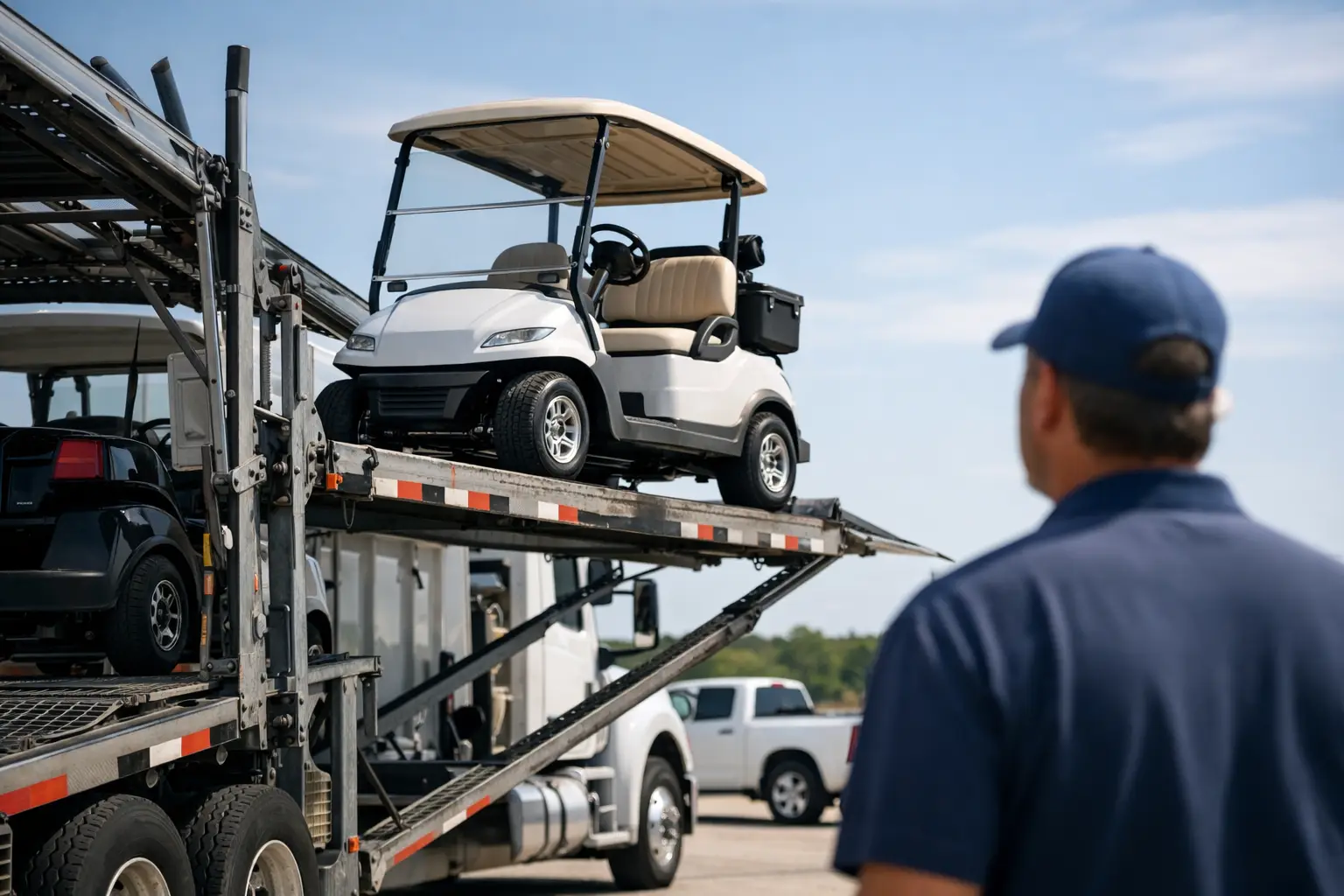
A premium golf cart should arrive ready to become part of your routine, whether that means neighborhood rides, trips to the clubhouse, family evenings, or a more comfortable way to get around your community. This nationwide golf cart shipping guide explains what happens between choosing your cart and taking the keys at your home, so you can plan with confidence instead of guessing at the curb.
Shipping a golf cart is not quite like shipping a small package or even a standard vehicle. Cart dimensions, battery type, accessories, delivery access, and state-level rules can all affect the process. The good news is that a knowledgeable dealership and a prepared buyer can make delivery straightforward.
A Nationwide Golf Cart Shipping Guide Starts Before Pickup
The best shipping experience begins before a carrier is assigned. Once you select a cart, confirm the exact configuration being delivered. That includes the color, seating capacity, wheel package, enclosure, upgraded seats, rear-facing seat kit, lighting, lift kit, and any other accessories included in your purchase. A detailed order confirmation gives both you and the dealership a clear reference point when the cart arrives.
Next, provide an accurate delivery address and contact number. Residential shipping is common, but not every residential street works the same way. A large transport truck may have trouble navigating narrow roads, low-hanging branches, sharp turns, gated entries, steep driveways, or dense cul-de-sacs. If access is tight, the carrier may arrange a nearby meeting point with more room to unload safely.
This is not a problem to solve at the last minute. Let the shipping team know early if your neighborhood has truck restrictions, gate codes, HOA requirements, or limited turnaround space. A little advance planning protects your delivery window and helps prevent an avoidable rescheduling charge.
Open transport versus enclosed transport
Most golf carts are moved on open transport. It is typically the most practical and cost-effective option, especially for buyers shipping within the continental United States. The cart is secured for transit and exposed to normal road conditions, including weather and highway dust.
Enclosed transport provides additional protection from the elements and may be appealing for highly customized carts, collector-style builds, or buyers who simply prefer the added privacy. It can cost more and may take longer to schedule because fewer enclosed carriers are available on a given route.
Neither option is automatically right for every buyer. Open transport is often the sensible choice for a new, professionally prepared electric cart. Enclosed shipping may be worth considering when the added protection matters more than the additional cost or timing flexibility.
Prepare Your Property for Delivery Day
Your cart may be ready for adventure, but your home should be ready for its arrival. Before the scheduled delivery date, choose a flat, accessible area where the driver can safely unload. A driveway is often ideal, provided there is adequate space for the transport vehicle and no overhead clearance concerns.
If you live in a gated community, tell security or property management that a vehicle carrier is expected. Keep your phone nearby on delivery day. Carriers often provide a narrower arrival window as they get closer, and quick communication helps them coordinate access.
Make sure the delivery location has a safe route from the unloading point to where you plan to park or charge the cart. Think about gravel, drainage dips, curbs, loose landscaping, and steep slopes. A golf cart can handle many everyday surfaces, but its first few minutes at your home should not involve navigating an obstacle course.
If you are accepting delivery for someone else, make sure that person has the order details, authorization to sign if needed, and an understanding of what to inspect. The ideal recipient is the person who knows which features and accessories were ordered.
Know What to Expect With Electric Cart Batteries
Electric golf carts require special consideration during shipping because of their battery systems. The cart should be secured and transported according to carrier requirements, and the dealership may prepare it with a partial state of charge rather than a fully charged battery. That is normal.
Before delivery, identify where the cart will charge at home. Confirm the outlet type required for your specific vehicle and make sure the outlet is in good condition. Avoid relying on a long, lightweight extension cord as a permanent charging solution. If your garage, carport, or storage area does not have convenient power, consider having a qualified electrician evaluate your setup before the cart arrives.
Battery type also matters for ownership. Lithium-powered carts are popular for their lighter weight, efficient charging, and low-maintenance design, while lead-acid battery systems have their own charging and maintenance routines. Your delivery is a good time to confirm the recommended charging schedule, storage guidance, and warranty information for your cart.
Do not wait until a holiday weekend or your first neighborhood event to learn the basics. Ask for clear instructions on charging, key operation, parking brake use, drive modes, and any display controls before you take delivery.
Inspect the Cart Before the Carrier Leaves
A careful arrival inspection is one of the most valuable steps in the shipping process. Transport damage is uncommon, but road travel involves variables, and documentation matters if an issue is found. Inspect the cart in daylight when possible and take photos from several angles before the carrier departs.
Use your order confirmation and walk around the cart slowly. Look at the body panels, roof, windshield, seats, wheels, tires, mirrors, lights, and accessories. Check that accessories are secure and that there are no obvious scrapes, cracks, loose components, or missing items.
A useful inspection includes these details:
- Compare the vehicle identification information and configuration with your purchase paperwork.
- Photograph each side of the cart, the front, rear, roofline, wheels, and any customized features.
- Test basic functions such as forward and reverse selection, brakes, headlights, turn signals, horn, and display operation where equipped.
- Note any concern on the delivery paperwork before signing, then contact the selling dealership promptly.
Some cosmetic dust from open transport can be expected. A new scratch, damaged accessory, or functional concern is different. Be specific in your notes and retain copies of all delivery documentation. Clear records help the right team address a legitimate issue quickly.
Understand Timing Without Overpromising It
Nationwide shipping timelines depend on distance, route demand, weather, carrier availability, and how efficiently pickups and deliveries can be grouped. A cart moving between major metro areas may have more carrier options than one traveling to a remote location. Seasonal demand can also affect scheduling, particularly around spring, summer, and major holidays.
The most reliable approach is to view a shipping estimate as a working window rather than a guaranteed appointment until the carrier confirms the final schedule. Ask what communication to expect: when the cart is released for transport, when a carrier is assigned, and how close to delivery you will receive a more specific arrival estimate.
Price works the same way. The least expensive quote is not always the best value if it lacks clear communication, proper insurance coverage, or realistic scheduling. A transparent shipping plan should explain what is included, whether residential delivery is covered, and what conditions could create an added charge. Examples include inaccessible delivery locations, storage delays caused by an unavailable recipient, or special transport requests.
Make the First Week of Ownership Count
Once the cart is home, register warranty information if required, store your manuals in a safe place, and establish a simple charging routine. Take a few low-speed rides near home before loading up the whole family or heading out for a longer community trip. This gives you time to get familiar with handling, braking, turning radius, visibility, and accessory controls.
It is also wise to confirm the rules where you plan to drive. Golf cart access varies by city, county, neighborhood, and road type. Some communities allow carts on designated streets, while others have restrictions related to speed limits, safety equipment, registration, or licensed drivers. A cart built for your lifestyle should fit the local rules as well as your driveway.
For buyers who want a premium cart without limiting their options to local inventory, nationwide shipping expands what is possible. Oasis Carts helps customers pair the right vehicle with practical guidance on delivery, charging, and long-term ownership support. The best delivery day is not just the day your cart arrives - it is the day your next family ride, neighborhood gathering, or easy afternoon out becomes much closer.