
Neighborhood Electric Vehicle Buyer Guide
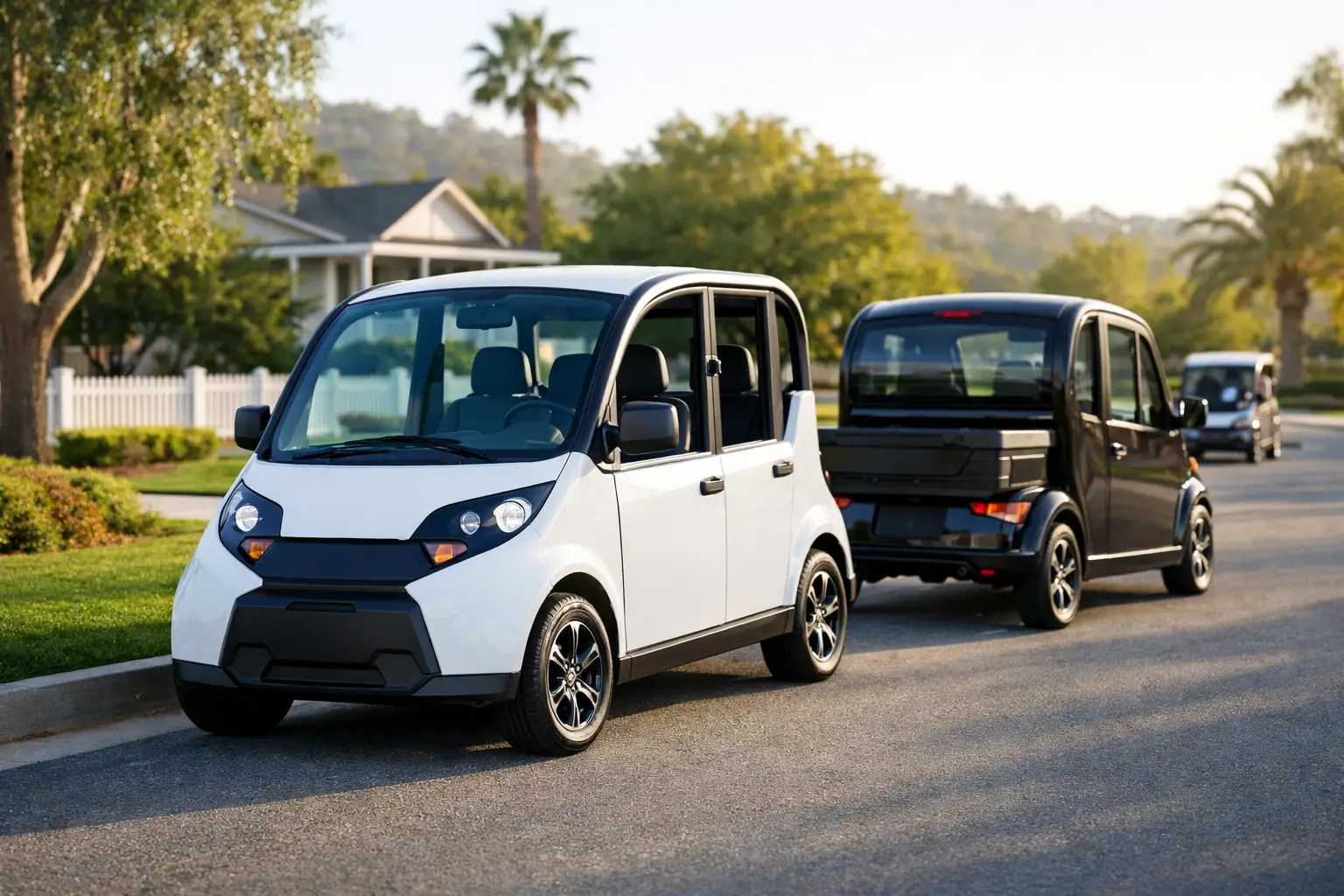
The right neighborhood vehicle changes the rhythm of a Saturday. Instead of loading everyone into the SUV for a quick trip to the pool, mailbox, clubhouse, or a neighbor’s cookout, you can bring the family along in a quiet, comfortable cart built for the ride. This neighborhood electric vehicle buyer guide helps you choose a vehicle that feels like a lifestyle upgrade - not an expensive compromise.
The best fit is rarely the fastest model or the one with the longest accessory list. It is the vehicle that matches where you drive, who rides with you, how far you go, and what your community allows. Start there, and the fun features become much easier to evaluate.
Start With Where You Plan to Drive
Before comparing colors, seat stitching, or sound systems, understand the roads and paths your vehicle will actually use. A neighborhood electric vehicle can mean different things to different buyers. Some people want a golf cart for private communities, acreage, campgrounds, resorts, or golf-course use. Others need a street-legal low-speed vehicle, often called an LSV, for approved public roads.
That distinction matters. Street-legal LSVs are generally designed to meet federal safety equipment requirements and are typically limited to 25 mph. They may be allowed on public roads with speed limits of 35 mph or lower, but state and local rules still control where you can drive, register, and park them. Requirements can include a VIN, title, registration, insurance, driver’s license, mirrors, lights, turn signals, seat belts, and a windshield.
A standard golf cart may be a perfect choice for private-property use, but it is not automatically legal on public streets just because it has headlights or a lift kit. Check with your HOA, city, county, and state motor vehicle agency before buying. In Texas and Florida especially, local rules can vary significantly from one community to the next.
Choose Seating for Real Life, Not One Occasion
Four-passenger and six-passenger carts are popular because they make family rides easy, but the right seating layout depends on how you live. A couple using a cart for neighborhood errands may prefer a compact two- or four-passenger model with more cargo space. Families with children, visiting grandkids, or regular community gatherings often appreciate the flexibility of a six-passenger layout.
Think about the passengers who will ride most often. Forward-facing rear seats usually provide a more natural experience for adults and make conversations easier. Rear-facing flip seats can be useful when you need to switch between passenger space and a cargo bed. Neither design is universally better. The right choice comes down to whether your cart is mainly a people mover, a property helper, or both.
Also look beyond the number of seats. Check legroom, step-in height, handholds, roof coverage, and whether seat belts are available for every intended passenger. A cart that looks spacious in a photo can feel very different when four adults are seated.
Range Is About Your Typical Day
Electric cart range is one of the first questions buyers ask, and it deserves a practical answer instead of a single optimistic number. Range changes based on battery type, passenger load, hills, tire choice, weather, speed, and how aggressively the vehicle is driven. Carrying six people up slopes will use more energy than a quiet two-person ride around flat streets.
Rather than buying based on the longest claimed range, estimate your normal use. Consider a typical day of neighborhood trips, clubhouse visits, school pickup routes where allowed, and evening rides. Then add room for a few extra outings. Buyers who use their vehicles only around the community may not need the largest battery package. Buyers with acreage, hilly terrain, or frequent all-day use often benefit from additional capacity.
Lithium vs. Lead-Acid Batteries
Lithium batteries have become a popular premium choice for good reason. They are generally lighter, charge more efficiently, require less routine maintenance, and hold voltage well during use. That can translate to more consistent performance when the cart is carrying passengers or climbing a hill.
Lead-acid batteries can still make sense for certain budgets and lighter-duty applications, but they require more attention. Depending on the battery type, owners may need to monitor water levels, keep terminals clean, and follow charging habits carefully. They are also heavier and may have a shorter usable lifespan.
The price difference is real, so ask the dealership to explain the battery warranty, expected charging time, replacement considerations, and care requirements. A lower upfront price is not always the lower ownership cost over several years.
Prioritize Safety Features You Will Actually Use
A neighborhood vehicle should feel relaxed, but it should never feel flimsy. Safety starts with a sturdy build, quality braking, predictable steering, and tires suited to your usual terrain. For public-road use, required equipment is only the baseline. For family use, everyday confidence matters just as much.
Look closely at seat belts, headlights, brake lights, turn signals, mirrors, horn, windshield options, and backup cameras where available. Four-wheel hydraulic disc brakes can offer a more confident braking feel than simpler systems, particularly on larger passenger vehicles. Suspension quality also matters. A well-tuned suspension reduces harsh bumps and keeps the vehicle more composed with a full load.
If children will ride, consider how easily they can enter and exit, whether their feet reach a stable floor area, and how the seating arrangement supports proper belt use. No upgrade is more valuable than choosing a vehicle that your family can ride in comfortably and responsibly.
Do Not Treat Charging as an Afterthought
Most owners charge at home, which is one reason electric carts fit so naturally into neighborhood life. Still, confirm the charging setup before delivery day. Ask whether the vehicle charges from a standard household outlet, whether a dedicated circuit is recommended, and how long a normal charge takes.
Your parking location should be dry, accessible, and close enough to power without relying on extension cords. A garage is ideal, but a covered carport may work when appropriate weather protection and electrical access are available. If the vehicle will sit for extended periods, follow the manufacturer’s guidance for storage charging. Batteries last longer when they are cared for consistently.
For buyers in hot climates, it is also wise to ask how heat affects battery performance and what storage practices protect the vehicle during the warmest months. Quality ownership support is valuable here because the right answer depends on the specific battery system and model.
Comfort and Features Make the Cart Yours
Once the essentials are right, the enjoyable part begins. Premium carts can include upgraded seats, LED lighting, Bluetooth audio, touchscreen displays, locking storage, custom wheels, premium steering wheels, rearview cameras, and weather enclosures. These features are not just cosmetic when they improve the way you use the vehicle.
For example, a windshield and enclosure can extend the season in cooler or rainy conditions. A quality sound system can make a family cruise more memorable, while storage compartments keep drinks, towels, and small purchases from rolling around. Lifted models offer a bolder stance and more ground clearance, but they may ride differently and can be less convenient for passengers who prefer a lower step-in height.
Choose upgrades with your routine in mind. The most satisfying cart is not the one with every option. It is the one you want to take out again tomorrow.
Compare the Dealership Experience, Too
A neighborhood EV is a long-term purchase, so the dealership relationship matters after the keys are handed over. Ask direct questions about warranty coverage, available service, inspections, replacement parts, battery support, and repair turnaround times. Transparent answers are a strong sign that a dealer is prepared to support ownership, not just complete a sale.
A test drive is equally valuable. Pay attention to acceleration, braking, steering response, seat comfort, visibility, and how the cart handles a turn. Bring the people who will ride most often if possible. Their feedback can prevent a decision based only on appearance.
Oasis Carts helps buyers compare premium models with practical guidance on seating, battery options, financing, customization, and long-term service. Whether you shop in person or arrange nationwide shipping, the goal should be the same: choose with clear expectations and enjoy the vehicle with confidence.
Your neighborhood vehicle should make the small trips feel easier and the ordinary moments more inviting. Confirm the rules, test the fit, and select the cart that gives your family a reason to take the long way home.