
Premium Golf Cart Buying Guide for Smart Buyers
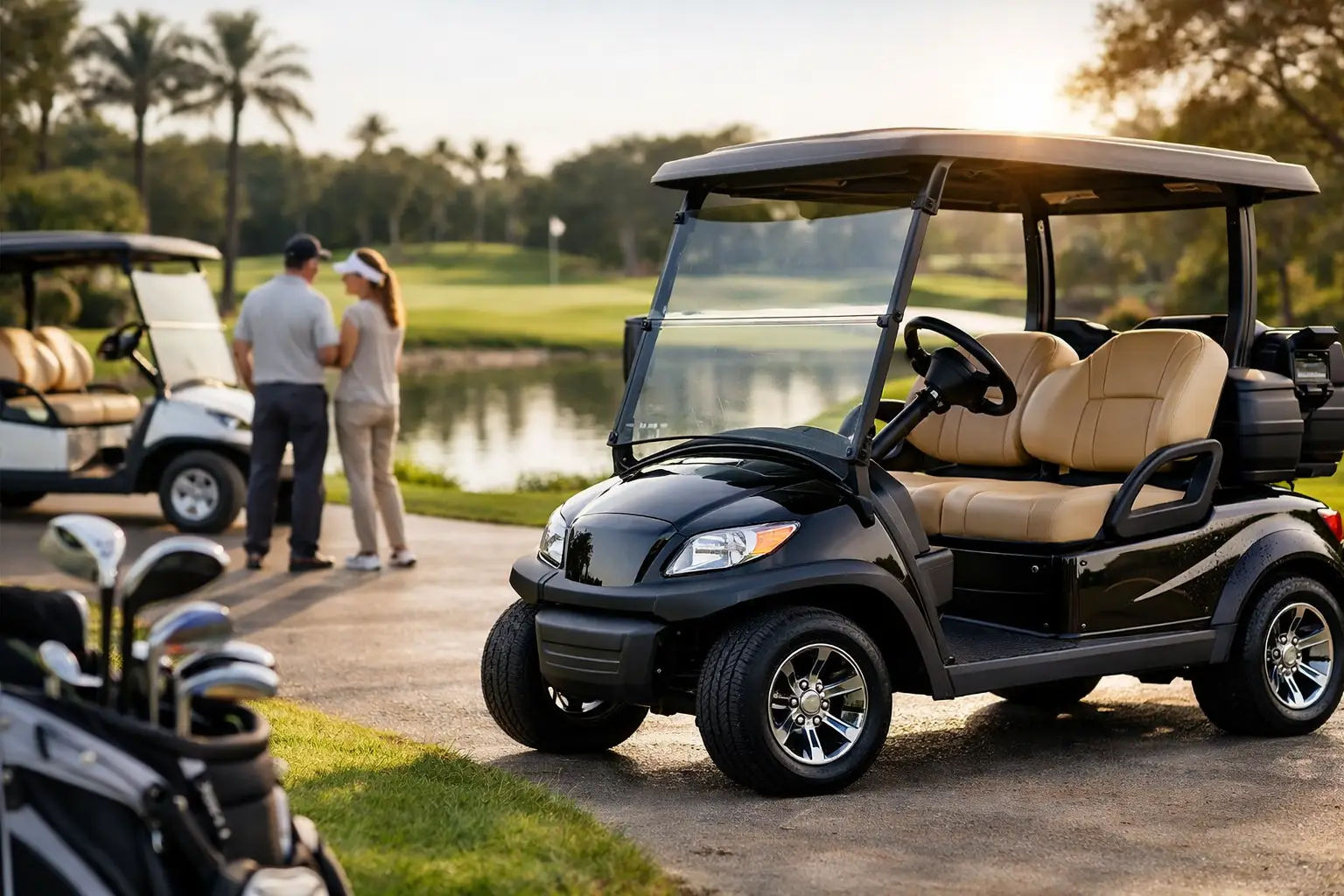
A premium golf cart should feel like a smart upgrade, not a compromise wrapped in shiny paint. If you are spending real money on neighborhood transportation, family fun, or community cruising, this premium golf cart buying guide will help you sort out what actually matters before you buy.
The biggest mistake buyers make is assuming all premium carts are basically the same. They are not. Two carts can look similar online and differ in ride quality, battery performance, warranty coverage, safety equipment, and long-term serviceability. A better buying process starts with how you plan to use the cart, not which body style catches your eye first.
What “premium” should mean in a golf cart
Premium is not just lifted wheels, diamond-stitched seats, and a nicer color palette. Those details matter, but they are only part of the story. A premium cart should deliver a better ownership experience from day one through year five.
That means a smoother ride, quieter operation, dependable battery range, stronger build quality, and features that make the cart easier and safer to use every day. It also means clear warranty terms, transparent pricing, and access to qualified service after the sale. If a dealer cannot explain how the cart is supported long term, the premium label is doing too much work.
For most buyers, premium also means the cart fits real life. It should be comfortable for adults, practical for kids and guests, easy to charge, and capable enough for hills, neighborhood roads, and weekend recreation. If it looks upscale but feels flimsy or underpowered, it is not premium where it counts.
Start your premium golf cart buying guide with lifestyle fit
Before comparing brands or battery specs, get clear on use case. A cart for a gated neighborhood is different from a cart used for large properties, beach communities, campgrounds, or regular short-distance errands.
If your main goal is family transportation, seating and comfort should lead the conversation. Four-passenger and six-passenger models may sound straightforward, but legroom, seat height, rear-facing comfort, and ease of entry can vary more than buyers expect. A cart that looks roomy in photos may feel cramped when grandparents and teenagers are riding together.
If you care most about style and social use, then appearance, sound system options, premium seating, lighting packages, and wheel design may deserve more weight. If you need more utility, storage, suspension, tire choice, and cargo flexibility become more important. Neither approach is better. It depends on whether the cart is replacing short car trips, supporting recreation, or doing a little of both.
Battery type changes the whole ownership experience
For many shoppers, the battery is the decision. That is fair, because it affects range, maintenance, charging habits, and how the cart feels over time.
Lithium batteries are often the premium standard for good reason. They charge faster, typically require less maintenance, weigh less, and provide more consistent performance. They are especially appealing for buyers who want convenience and do not want to think much about upkeep. If you use your cart often, or want a cleaner, lower-hassle ownership experience, lithium usually makes sense.
Lead-acid batteries can still work for some buyers, particularly if upfront budget matters more than long-term convenience. But they generally require more attention and may not deliver the same everyday ease. If a cart is being presented as premium, ask whether the battery system supports that claim.
Also ask practical questions. What range should you expect with your typical passenger load? How long does a full charge take? What happens in very hot weather? What is covered under the battery warranty, and for how long? Premium ownership feels a lot better when those answers are clear before you sign.
Ride quality matters more than most buyers expect
A quick test drive reveals things no product sheet can. Premium carts should feel planted, comfortable, and predictable. That is where suspension design, steering feel, braking, and build quality start to separate one model from another.
Some carts look great parked and feel choppy once you hit uneven pavement. Others handle neighborhood turns smoothly, absorb bumps well, and inspire more confidence with a full passenger load. If you live in a community with rougher streets, speed humps, or mixed surfaces, suspension quality matters a lot.
Tires and wheel size also affect comfort. Larger wheels can improve visual appeal, but they can change ride feel. Lifted carts offer a bold look and can help with certain terrain, yet they are not automatically the best fit for every buyer. Families using carts mostly on paved roads may prefer a lower, easier-entry setup with a smoother ride.
Safety and street-ready features deserve a closer look
Many buyers want a cart that feels closer to a personal transportation vehicle than a basic golf course unit. That means looking carefully at safety and visibility features, not just appearance.
Headlights, taillights, turn signals, mirrors, horn, seat belts, and reliable brakes are worth discussing in detail. So is the overall feel of the frame and cabin. A premium cart should feel stable and thoughtfully equipped, especially if it will carry children, older passengers, or frequent guests.
If you plan to use the cart in a neighborhood or community setting, ask what features are standard and what is optional. Some carts advertise an attractive base price, then add key features later. Transparent pricing matters here. A cart that appears cheaper at first can end up costing more once it is equipped the way most buyers actually want it.
Not all premium brands fit the same buyer
A curated multi-brand selection can be a real advantage because it lets you compare different strengths instead of being pushed toward a single answer. Some brands focus on sleek styling and lifestyle appeal. Others lean into performance, value, technology, or seating flexibility.
That is why dealership guidance matters. The right cart for a retiree in a master-planned community may not be the right cart for a family using it every weekend for pool runs, events, and neighborhood outings. A strong dealer should explain trade-offs honestly. One model may offer a quieter ride, while another gives you more standard features for the price. One may have the look you love, while another gives you stronger long-term value.
This is where working with a premium dealership can save time and frustration. Instead of sorting through disconnected listings and vague claims, buyers can compare brands like Epic, Evolution, Icon, Kandi, Niu, Teko, and Venom in one place with actual guidance on fit, features, and support.
Price is only part of the cost
A premium golf cart is a meaningful purchase, so budget matters. But focusing only on sticker price can lead buyers in the wrong direction.
Look at the full ownership picture. That includes battery type, included features, warranty coverage, financing terms, expected maintenance, and availability of service. A lower upfront price may not be the better deal if the cart lacks key features, uses lower-value components, or becomes harder to service later.
Financing can also make a better cart more accessible than buyers expect. For many households, the smarter move is choosing the cart that fits long-term needs and spreading the cost into a manageable monthly payment. The key is clarity. You should know exactly what you are getting and what your real cost looks like over time.
The dealer matters almost as much as the cart
A premium buying experience should feel informative, not high-pressure. Buyers deserve straight answers about features, warranty terms, service expectations, and delivery timelines.
That matters even more if you are purchasing outside your immediate area. For shoppers in Texas, Florida, or anywhere nationwide, a dealer with strong inventory visibility, shipping experience, trained technicians, and after-sale support offers a very different experience from a seller who disappears after delivery.
Ask how service is handled. Ask what inspection process the cart goes through before it reaches you. Ask who you call if you have a question in a month. These are not small details. They are part of what you are paying for when you choose a premium vehicle.
At Oasis Carts, that service-first approach is part of the value. Buyers are not just choosing a cart. They are choosing a team that helps match the right model to the right lifestyle and supports ownership after the sale.
How to know you are ready to buy
You are ready when you can answer a few simple questions with confidence. How many people will ride most often? Where will you drive it? Do you want lithium? Are you prioritizing style, comfort, utility, or all three? And what kind of support do you expect after delivery?
Once those answers are clear, the shopping process gets much easier. You stop chasing the flashiest listing and start comparing carts based on the things that shape daily ownership.
The right premium cart should make your routine more enjoyable every time you use it, whether that means sunset rides through the neighborhood, easy trips to community amenities, or a more comfortable way to move family and friends around. Buy the one that fits your life well enough that using it feels effortless.