
7 Types of Electric Golf Carts to Know
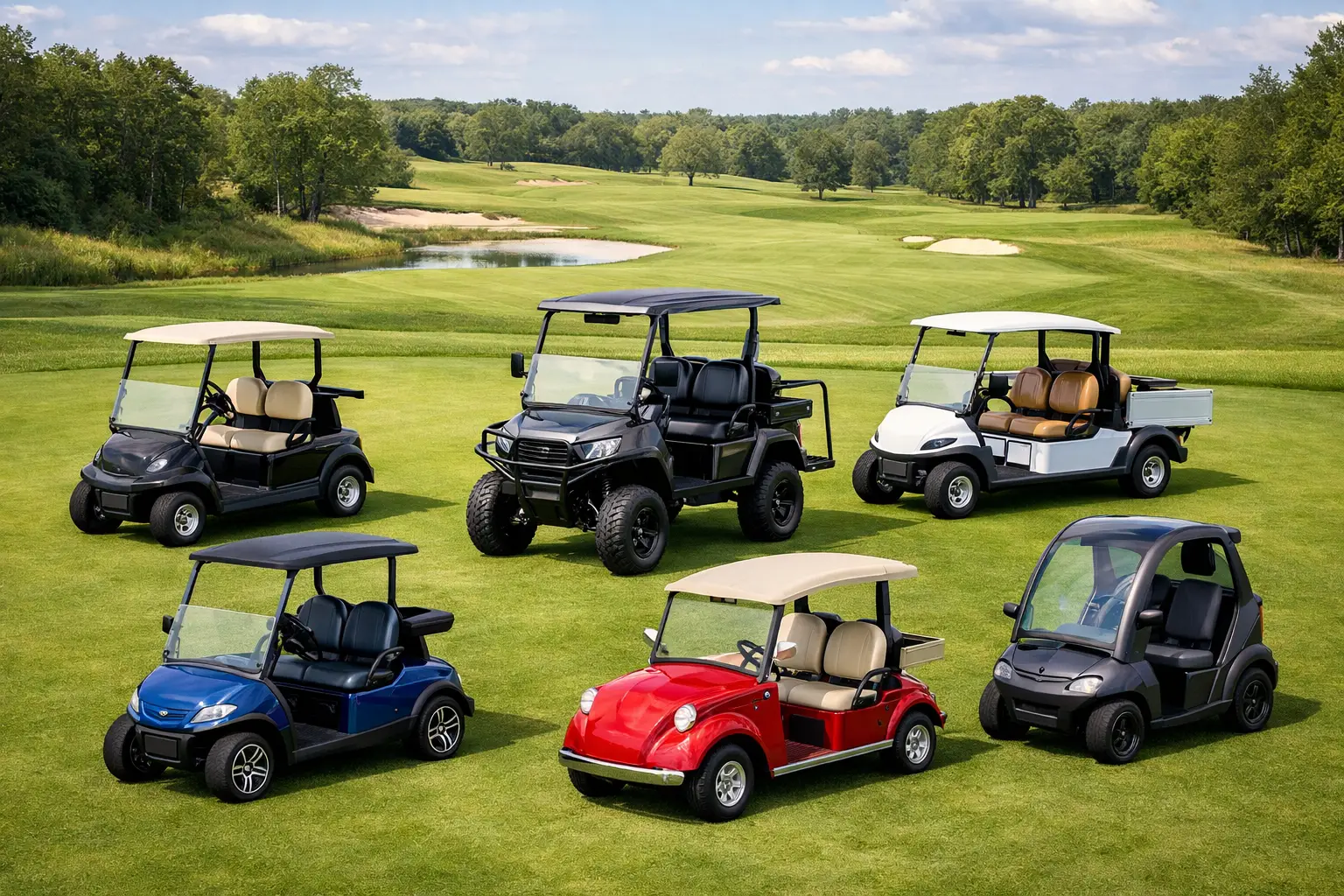
Most buyers start with one simple question and then realize it is not simple at all: what are the actual types of electric golf carts, and which one fits the way you live? A cart that feels perfect for a gated neighborhood can be the wrong choice for a golf course, a ranch property, or a family that wants extra seats, premium comfort, and street-ready features.
That is why the best purchase usually starts with use case, not paint color or wheel size. Electric golf carts may look similar at first glance, but the differences in seating, speed, suspension, storage, road legality, and battery setup can change the ownership experience in a big way. If you understand the main categories before you shop, it gets much easier to narrow in on the right fit.
The main types of electric golf carts
There is no single industry chart that every manufacturer follows, but most electric carts fall into a handful of practical categories. Some are built around golf. Others are designed more like personal transportation vehicles for neighborhoods, resorts, private communities, and everyday local errands.
1. Traditional two-passenger golf carts
This is the classic layout most people picture first. Two-passenger carts are compact, easy to maneuver, and built for short trips around the course or community. They tend to have a smaller footprint, which helps with storage and garage parking, and they are often the easiest place to start if you want straightforward electric transportation without extra seating or added bulk.
For buyers who mostly play golf or want a simple personal vehicle for short local rides, this type can make a lot of sense. The trade-off is obvious - once you want to bring kids, friends, pets, or extra cargo, the space runs out quickly. A two-seater is efficient, but it is not the most flexible choice for a family lifestyle.
2. Four-passenger electric golf carts
For many homeowners and recreational buyers, this is the sweet spot. Four-passenger carts are among the most popular types of electric golf carts because they balance size, comfort, and versatility. You get enough room for family or guests without stepping all the way into a longer six-seat frame.
These carts work well for neighborhood cruising, community events, trips to the pool, and casual local transportation. They also tend to offer more premium features than older utility-style models, including upgraded seats, better displays, lighting packages, and a more refined ride. If you want one cart that can handle a little bit of everything, this category deserves a hard look.
3. Six-passenger electric golf carts
When the cart is replacing a second car for short local trips, or when family use is the top priority, six-passenger models start to stand out. They are designed for larger groups and are especially popular in master-planned communities, vacation areas, and neighborhoods where the cart is part of everyday life.
The benefit is clear: more room, more flexibility, and less need to make two trips. The downside is that longer carts require more storage space and a wider turning radius. They can also feel like more vehicle than you need if most rides are solo or with one passenger. Still, for larger households, the convenience is hard to beat.
Lifestyle-focused carts vs. utility-focused carts
Not every electric cart is trying to do the same job. This is where a lot of buyers make a better decision once they look past seat count.
4. Luxury lifestyle carts
Luxury lifestyle carts are built for comfort, appearance, and day-to-day enjoyment. These models often feature premium seating, upgraded wheels, modern dashboards, LED lighting, sound systems, lifted stances, and sleek body styling. They are less about carrying tools and more about creating an elevated ride for family outings, neighborhood use, and recreational driving.
This category has grown fast because many buyers are not shopping for golf first. They want something stylish, quiet, easy to operate, and genuinely fun to own. If that sounds like your use case, a lifestyle cart can feel far more satisfying than a basic fleet-style model. The trade-off is cost. Premium finishes and added features raise the price, but for many buyers the comfort and curb appeal are worth it.
5. Utility electric carts
Utility carts are the practical workhorses of the category. They are designed to haul gear, handle property tasks, and support work around farms, large lots, warehouses, clubs, or maintenance-heavy environments. Instead of focusing on rear-facing seats and polished trim, these models usually prioritize cargo beds, durable materials, and function-first design.
If your main goal is moving tools, landscaping supplies, or equipment, this is the right lane. Utility carts can still be comfortable, but they are not usually the best choice for buyers focused on family cruising or a premium neighborhood look. It depends on whether your cart is a tool, a leisure vehicle, or a little of both.
Street-legal and off-road leaning models
Another smart way to sort the types of electric golf carts is by where you plan to drive them.
6. Street-legal low-speed vehicles
Some electric carts are equipped and configured to qualify as low-speed vehicles, often called LSVs. These are intended for certain public roads where local laws permit them, and they typically include features such as seat belts, headlights, taillights, turn signals, mirrors, a windshield, and a VIN.
For buyers who want to use a cart beyond private property or neighborhood paths, this category matters. A street-legal setup can make quick trips more convenient and open up more practical day-to-day use. That said, rules vary by state, county, city, and community, so eligibility is never something to assume. If road use is part of your plan, it is worth confirming the requirements before you buy.
7. Lifted and off-road style carts
Lifted carts are designed with more ground clearance, larger tires, and a bolder stance. Some buyers choose them for appearance alone, while others need the extra capability for rougher terrain, larger properties, campground use, or recreational driving beyond smooth pavement.
These models can look fantastic and handle uneven surfaces better than low-profile carts. But there are trade-offs. A lifted cart may ride differently, be a little harder for some passengers to step into, and feel less course-oriented than a standard-height model. If your driving is mostly on clean neighborhood streets, a non-lifted setup may actually be the more comfortable fit.
Battery type changes the ownership experience
When people talk about electric carts, they often focus on seats and style, but battery chemistry matters just as much. Most buyers today will choose between lead-acid and lithium battery systems.
Lead-acid batteries usually come at a lower upfront cost, which can appeal to budget-conscious shoppers. They are proven and widely used, but they also tend to require more maintenance and have a shorter service life compared with lithium.
Lithium batteries generally cost more at the start, but they offer faster charging, less maintenance, lighter overall weight, and strong long-term convenience. For buyers who want an easier ownership experience and plan to use the cart often, lithium can be a very attractive upgrade. It is one of those decisions where the cheapest option up front is not always the least expensive over time.
How to choose the right type for your lifestyle
The best cart is the one that fits your actual routine, not the one that looks best in a photo. Start by thinking about who will ride in it most often. If it is usually just you and one other person, a two-passenger or compact four-passenger model may be plenty. If kids, grandkids, or guests are regularly coming along, extra seating will matter more than you think.
Then consider where you will use it. Smooth neighborhood roads, golf paths, private acreage, and mixed-surface properties all point to different setups. A lifted cart with aggressive tires may sound appealing, but if your main goal is comfortable local cruising, a lower, better-appointed lifestyle model may serve you better every day.
It also helps to think a year ahead. Buyers often shop for the cart they need right now and forget how quickly use changes once they own one. Weekend rides turn into sunset drives, quick trips to a neighbor’s house, family event transportation, and a favorite part of daily life. Choosing a little more comfort, range, or seating than you think you need can be the smarter move.
If you want guidance that feels practical instead of pushy, seeing a few categories side by side makes a difference. A premium dealership like Oasis Carts can help narrow the field based on where you drive, how many people you carry, and what level of comfort and features you expect long term.
A great electric cart should feel easy from day one and still feel right after the newness wears off. When you match the type of cart to the life you actually lead, that is when the fun really starts.