
Used Versus New Golf Carts: Which Wins?
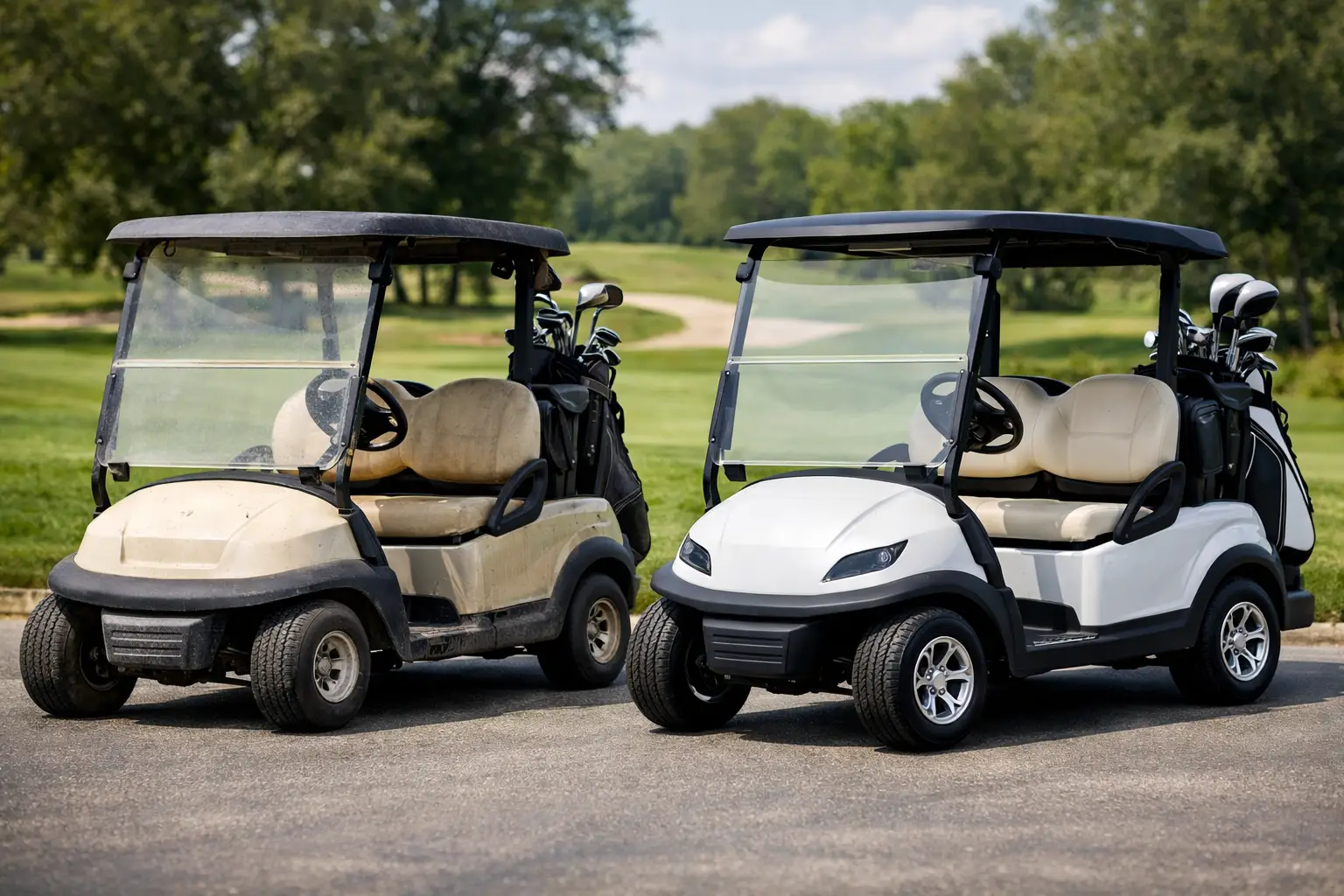
A low sticker price can feel like a win right up until the battery range drops halfway through the weekend or a repair bill shows up a month later. That is why used versus new golf carts is not really a simple price comparison. It is a question of value, reliability, lifestyle fit, and how much certainty you want built into the purchase.
For some buyers, a used cart is the smart play. For others, buying new is the better long-term move even if the upfront number is higher. The right answer depends on how you plan to use the cart, how often you will drive it, and how much risk you are comfortable taking on.
Used versus new golf carts: the real difference
The biggest difference is not just age. It is predictability.
A new golf cart gives you a clean starting point. You know the battery system is fresh, the tires and brakes have full life ahead of them, and the technology is current. In many cases, you also get warranty protection, cleaner cosmetics, and the ability to choose the style and features you actually want rather than settling for what happens to be available.
A used golf cart can save money upfront, but that lower entry price often comes with more variables. You may not know how the cart was stored, how hard it was driven, whether it had regular service, or if aftermarket modifications were installed correctly. None of that makes used carts a bad purchase. It just means the buyer has to look deeper.
If you are shopping for a neighborhood cruiser, a family vehicle for short local trips, or a cart you want to keep for years, those details matter more than many first-time buyers expect.
When buying new makes more sense
A new cart is usually the better fit when you want confidence from day one. That matters for families using a cart around the neighborhood, retirees who want easy local transportation, or buyers who care about comfort, styling, and dependable performance without a long to-do list after purchase.
Battery life is one of the biggest reasons people choose new. With electric carts, the battery system is not a minor detail. It directly affects range, acceleration, charging habits, and long-term ownership costs. A new cart gives you a known battery baseline, which means fewer immediate surprises and a clearer idea of what to expect.
New carts also tend to offer more modern features. Depending on the model, that can include upgraded seating, digital displays, better lighting, enhanced suspension, rear seat packages, premium wheels, and more refined styling. If you want a cart that feels less like basic transportation and more like an elevated lifestyle vehicle, new inventory usually gives you more room to choose.
There is also the warranty factor. For many buyers, warranty coverage is not just about saving money on repairs. It is about reducing uncertainty. When a cart is backed by a warranty and supported by trained technicians, ownership feels simpler. That peace of mind has real value, especially if you are not interested in troubleshooting electrical issues or sourcing replacement parts on your own.
Financing can be another advantage. Buyers are often surprised to learn that a new cart with financing may fit the monthly budget more comfortably than expected. If preserving cash matters, the decision is not always as simple as comparing total prices on paper.
When a used cart is the smarter buy
Used carts make sense for buyers with a narrower budget, lighter usage plans, or more flexibility around cosmetics and features. If you need basic transportation for occasional rides, short distances, or property use, a well-maintained used cart can absolutely be the right solution.
The key phrase there is well-maintained.
A quality used cart with a documented service history, healthy batteries, and a thorough inspection can offer solid value. If the previous owner took care of it and the cart has been professionally evaluated, you may avoid the biggest risks that give used vehicles a bad reputation.
Used can also be a practical choice for buyers who know they want a cart now but are still learning what features matter most to them. Maybe you are testing out neighborhood use before committing to a premium model later. Maybe you only need a secondary vehicle for a vacation property. In those cases, used can be a lower-commitment way to get started.
Still, the savings only hold up if the cart does not need immediate work. A bargain becomes less attractive if you end up replacing batteries, tires, seats, or electrical components within the first season.
What to inspect on a used golf cart
This is where the used versus new golf carts decision gets practical. If you are considering used, inspection is everything.
Start with the battery system. Ask how old the batteries are, what type they are, and how the cart has been charged and stored. Battery replacement can be one of the most significant ownership costs, so you want a clear picture before you buy.
Then look at the frame, body, and suspension. Rust, collision damage, uneven tire wear, or a rough ride can point to harder use or deferred maintenance. Check the brakes, steering response, lights, charger, and any accessories. If the cart has been customized, make sure those upgrades were done cleanly and professionally.
A test drive matters too. A cart can look fine parked in a driveway and tell a very different story once you accelerate, brake, turn, and ride over uneven pavement. Listen for rattles, feel for hesitation, and pay attention to how the cart tracks.
If a seller cannot answer basic questions about age, service history, battery condition, or title status where applicable, that is a sign to slow down.
Cost now versus cost later
Most buyers start with purchase price, but long-term cost is where the decision becomes clearer.
A used cart may cost less today, but if it needs batteries soon, has aging components, or lacks warranty coverage, the total cost of ownership can rise quickly. On the other hand, a new cart asks for more money upfront but may offer lower surprise costs early on, better reliability, and stronger resale appeal later if it has been well cared for.
This is especially true for buyers who plan to use the cart often. Frequent neighborhood driving, family use, event transportation, or regular recreational trips put more demand on the vehicle. In that situation, a new cart often justifies its price through convenience and consistency.
For lighter, occasional use, used may still come out ahead financially. It depends on how many years you plan to keep it and how much maintenance risk you are willing to absorb.
Features, comfort, and lifestyle fit
Golf carts have changed. Many buyers today are not looking for a stripped-down utility vehicle. They want comfort, style, safety features, and a cart that feels good to own.
That is where new models have a noticeable edge. They are more likely to offer the premium details buyers actually care about, like more supportive seating, sleeker body design, upgraded lighting, Bluetooth-enabled features on some models, better storage, and cleaner ride quality.
Used carts can still deliver plenty of enjoyment, but they are often a compromise. You may get a great price yet miss out on the exact color, seating configuration, lifted stance, wheel package, or performance feel you had in mind.
If the cart is part of your lifestyle and not just a practical errand vehicle, those differences matter. People use carts for neighborhood dinners, community events, quick trips to the pool, campground cruising, and family rides. In that role, the ownership experience matters almost as much as the transportation itself.
The dealership difference matters
Where you buy can shape the outcome as much as what you buy.
A professionally sold new cart typically comes with clearer pricing, warranty support, service guidance, and access to future maintenance. A professionally inspected used cart can also be far safer than buying from a private seller who simply wants it gone.
That support matters after the sale. If a charger acts up, a battery question comes up, or you need service down the line, having a knowledgeable team behind the purchase can make ownership much easier. For buyers in Texas and Florida especially, where carts are part of everyday lifestyle transportation, that level of support is more than a bonus. It is part of buying with confidence.
So which one should you choose?
If you want the lowest upfront cost and are comfortable doing more homework, a used cart may be the right fit. Just be selective, inspect carefully, and go in with realistic expectations about maintenance and battery life.
If you want modern features, strong reliability, warranty protection, and a more polished ownership experience, new is usually the better investment. For many buyers, that extra confidence is worth more than the initial savings of going used.
The best cart is not the cheapest one or the newest one. It is the one that fits how you actually live, where you drive, and how much simplicity you want built into the years ahead.